Neuropathy Resource Library

  • Getting a second opinion when neuropathy has been labeled idiopathic

    Getting a second opinion when neuropathy has been labeled idiopathic

    A second opinion on idiopathic neuropathy is worth getting when the label came from an evaluation that did not match your symptom pattern. Idiopathic means the cause was not identified with the testing already done, not that no cause exists. The point of the second visit is not a different name for the same problem; it is a specific answer to what was tested, what was not, and what would change the plan.

    That question has room to move, because peripheral neuropathy encompasses a broad range of clinical pathologies that can present with peripheral nervous system dysfunction [1]. A category that wide is one where an incomplete workup can plausibly stop short.

    Key takeaways

    • Idiopathic describes the state of the workup, not the state of your nerves.
    • Bring the timeline, the labs, and the nerve testing reports; a second opinion is only as good as the record it starts from.
    • Ask which fiber type your symptoms fit, because small-fiber and large-fiber patterns are investigated differently.
    • Ask what remains untested, what result would change the plan, and when the case would be re-examined.
    • Metabolic, nutritional, autoimmune, toxic, and structural drivers can overlap, and more than one can be active at once.
    • A useful plan names a driver priority, not just a symptom list.

    Why idiopathic is a starting point, not a conclusion

    When neuropathy is called idiopathic, the honest translation is that the tests used so far did not find a cause. It says nothing about whether nerve fibers, microcirculation, or metabolic signaling are affected.

    Small fiber neuropathy is a good illustration. Up to half of small fiber neuropathy cases are idiopathic, yet the clinical advice is still to search for an identifiable underlying cause amenable to treatment, and autonomic symptoms occur in nearly half of patients with small fiber neuropathy and can be as troublesome as the neuropathic pain itself [2].

    Peripheral neuropathy is a category, and the driver decides the plan

    Two people with the same numbness can have different mechanisms behind it. That is why a good second opinion reviews the terrain around the nerve, not just the sensation being reported.

    It also means the plan can be concrete even before the label changes: address microvascular supply where it is impaired, reduce metabolic injury where it is relevant, and supply the substrates nerve repair depends on.

    What to bring to the appointment

    Arriving organized shortens the visit and improves what comes out of it. Assemble the following before you go.

    • A one-page symptom timeline: when it started, where it started, and what has changed since.
    • Your prior diagnoses in the exact wording used on the reports.
    • All lab results, including glucose metrics, B12-related testing, thyroid studies, and any metabolic or vitamin panels.
    • All nerve testing reports, including any EMG and nerve conduction studies.
    • A full medication and supplement list, plus chemotherapy history and alcohol history.
    • Family history of diabetes, autoimmune disease, or neuropathy.

    Note whether your symptoms include burning at night or loss of sensation, and whether they are symmetric. The pattern is what directs the driver search.

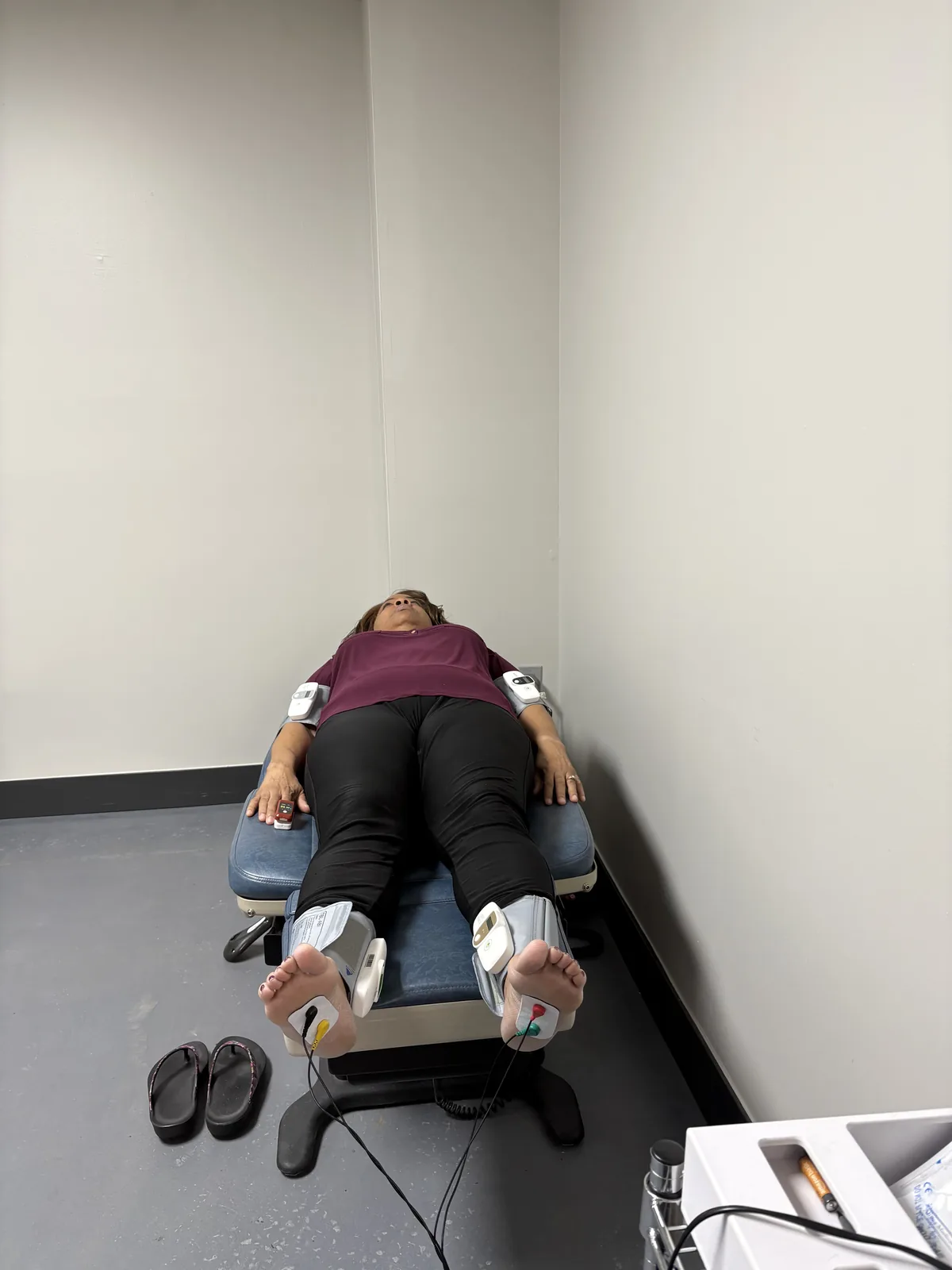
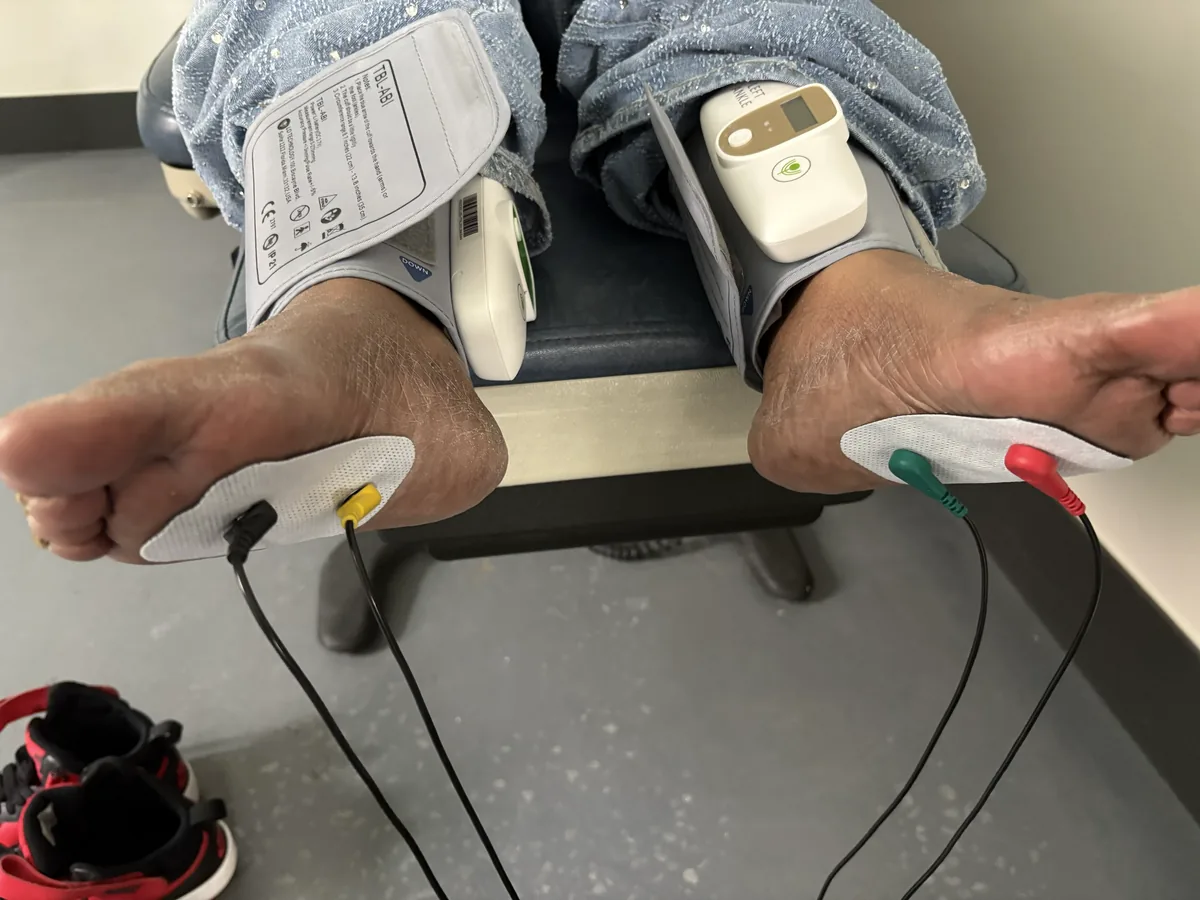
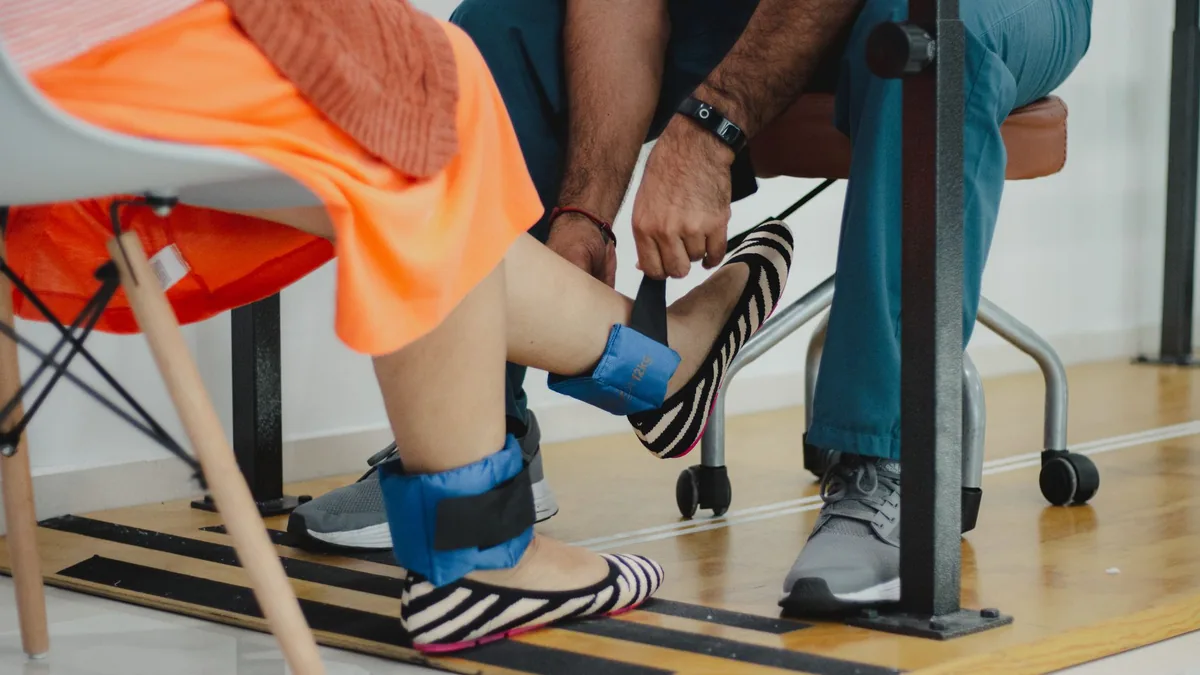
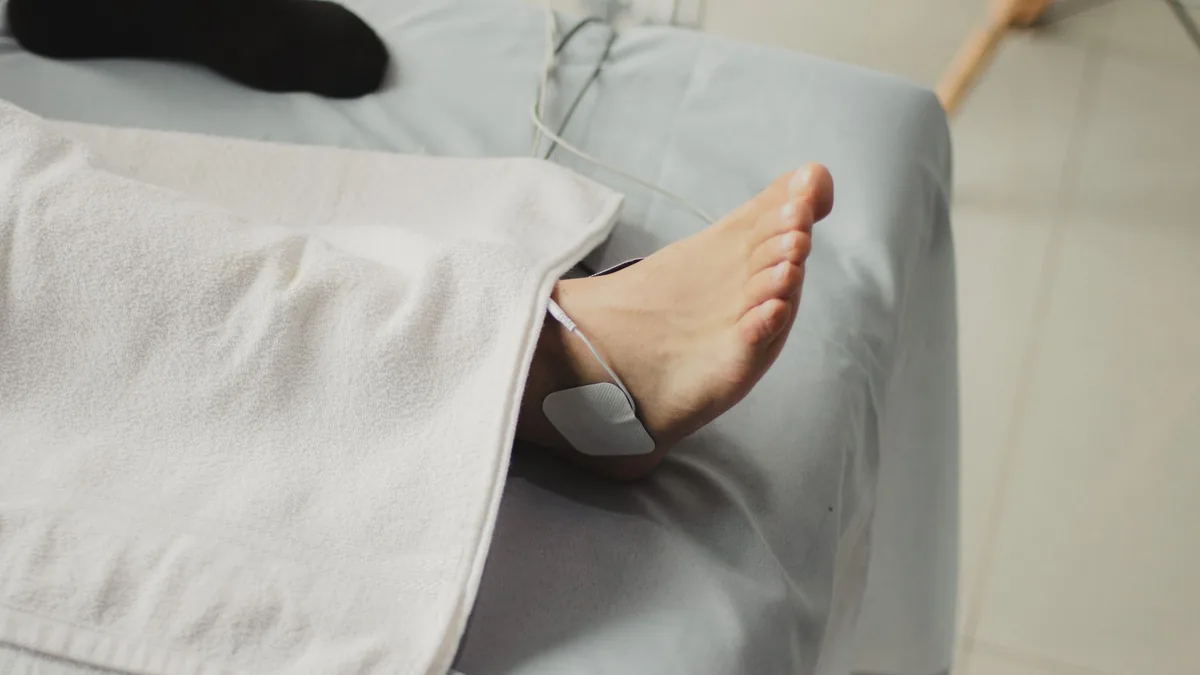
    Patient seated with ankle cuffs and foot electrodes in place for combined vascular and neuropathy testing at Regenerve, 4477 Woodson Rd #104, St. Louis, MO 63134

    What a second opinion should actually evaluate

    1. Confirm the symptom pattern and the fiber type involved

    Some neuropathies mainly involve small fibers, some large fibers, and some both. Symptoms can be real and disabling even when standard nerve conduction studies do not explain them, which is the situation small-fiber patterns most often produce.

    Ask which fiber type your symptoms fit and how that conclusion was reached. Burning, tingling, numbness, and autonomic features each carry different weight in that judgment.

    2. Review whether the testing matched the clinical features

    Neurology consultation and specialized testing, including nerve conduction studies and intraepidermal nerve fiber density testing, are indicated for patients with atypical clinical features such as rapid symptom onset, severe neuromotor impairment, or asymmetrically abnormal sensation [1]. If your presentation had any of those features, it is fair to ask whether the workup reflected that.

    3. Map metabolic, nutritional, autoimmune, toxic, and structural drivers

    Neuropathy is rarely explained by blood sugar alone, and more than one driver can be active at the same time. A driver search worth the name considers at least the following.

    • Gluten-related nerve injury, which a negative celiac test does not by itself exclude.
    • B12-related patterns, including functional deficiency when a serum level looks acceptable.
    • Chemotherapy exposure and its timing relative to symptom onset.
    • Alcohol-related nerve injury and the nutritional depletion that accompanies it.
    • Heavy metals and other toxic exposures.
    • Autoimmune contributors such as lupus or rheumatoid arthritis.
    • Malabsorption following gastrointestinal surgery.
    • Structural or compressive contributors layered on a systemic process.

    For how these are separated in practice, read about the hidden drivers of peripheral neuropathy.

    How to choose the clinician for a second opinion

    Choose someone who can answer driver questions, not only symptom questions. The difference shows up in the first ten minutes.

    Ask about on-site testing and how decisions get made

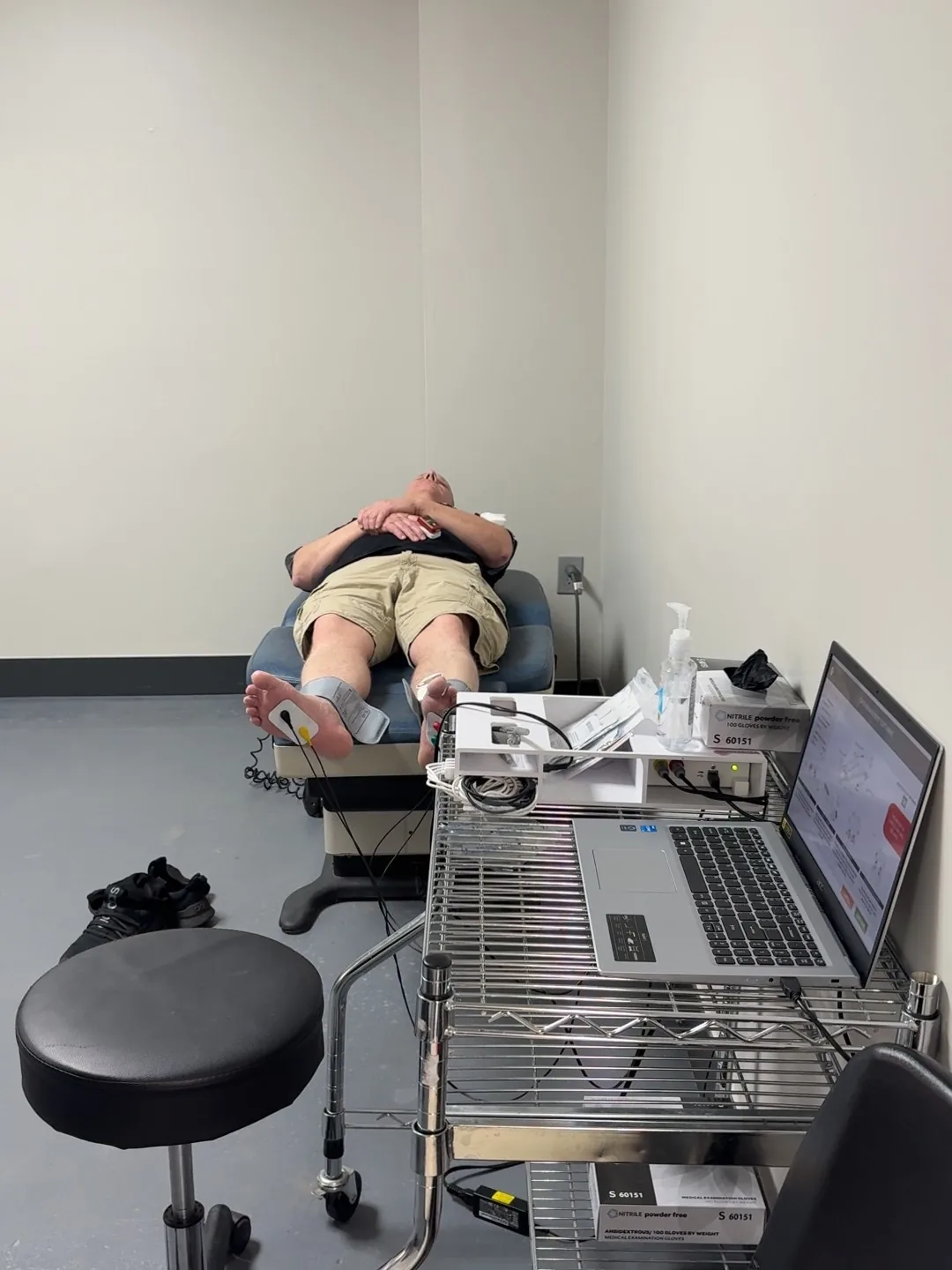
    Electrodiagnostic testing, meaning EMG and nerve conduction studies, is performed on site at Regenerve, alongside assessments aimed at the vascular and metabolic terrain around the nerve. Ask any clinic what they can do in-house and what a given result would change.

    For what to look for and what to ask, see choosing a neuropathy specialist in St. Louis.

    Ask how they handle idiopathic cases specifically

    The useful answer describes a process: what is checked when standard evaluation is unrevealing, how the decision is made to pursue electrodiagnostic testing versus another route, and when the case gets revisited.

    If the answer is a prescription and a follow-up in six months with no re-examination planned, that is worth knowing before you book.

    Treatments you will hear about, and how to frame them

    Neuropathy is a heavily marketed category. The defense is to ask for a driver-first explanation of what is being treated and why.

    Light-based and infrared therapies

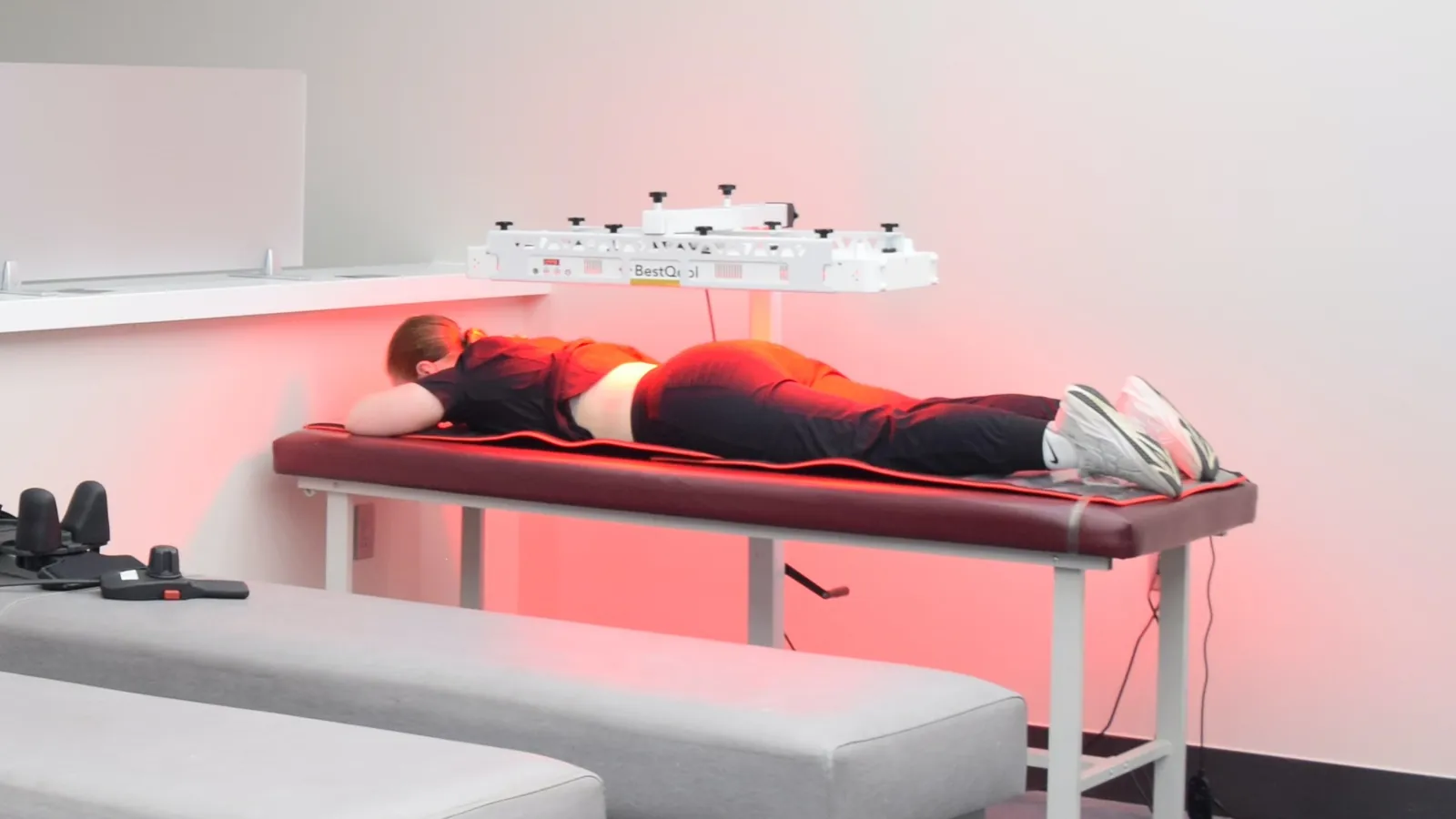
    Class 4 photobiomodulation, class 3B cold laser, and whole-body infrared are used at Regenerve as part of a physician-directed plan alongside metabolic and nutritional care. Ask any clinic offering them where they fit relative to the driver identified by testing, rather than as a standalone package.

    Qutenza needs the correct indication and clear expectations

    Qutenza, the capsaicin 8% patch, is FDA-approved in adults for neuropathic pain associated with postherpetic neuralgia and with diabetic peripheral neuropathy of the feet. Use for any other neuropathy driver is off-label and should be described that way.

    It is applied in clinic by a clinician, never dispensed for home use, and repeated no more often than every three months. If your neuropathy is currently labeled idiopathic, ask directly whether a proposed application would be on-label or off-label for you.

    Orthobiologic injections at Regenerve

    Platelet-rich plasma and bone marrow aspirate concentrate injections are offered at Regenerve. Any clinic presenting them as established treatment for nerve damage is overstating what is known.

    Frequently asked questions

    Is idiopathic neuropathy the same as nothing can be done?

    No. Idiopathic describes what the completed evaluation found, and a second opinion can re-map the driver, particularly when the symptom pattern suggests small-fiber involvement that standard testing does not capture well. Treatment planning can also proceed on the terrain around the nerve while the driver search continues. For what those symptoms look like, see small fiber neuropathy symptoms and testing.

    Can a negative celiac test rule out gluten-related nerve injury?

    Not on its own. Gluten-related nerve injury can present with neuropathic symptoms in patients whose standard celiac testing is negative, so a single result should not close the question when the history points that way. Ask which tests were run and what they do and do not exclude. For the fuller picture, see the gluten and neuropathy connection.

    My B12 was normal. Can B12 still be part of this?

    It can. A serum B12 level within the reference range does not always reflect functional status at the tissue level, which is why a normal result alone is not a reason to drop the question. Ask whether functional markers were checked. For how that testing works, see why a normal B12 result can still miss neuropathy.

    Diabetes was never confirmed as my cause. Is a second opinion still useful?

    Yes, because metabolic injury can contribute without a formal diabetes diagnosis, and glucose handling sits on a spectrum rather than a switch. A second opinion can clarify whether metabolic drivers belong in your plan at all. For how that work is approached, see diabetic peripheral neuropathy treatment in St. Louis.

    Take the next step

    If idiopathic ended your last conversation instead of starting the next one, a structured driver search is the way forward. Begin with the free five-question Nerve Damage Score. Regenerve is at 4477 Woodson Rd #104, St. Louis, MO 63134, minutes from St. Louis Lambert International Airport, serving the St. Louis region, Missouri and Illinois. Call or text (314) 886-5902, or email info@regenerve.com.

    Sources

    1. Bodman MA, Dreyer MA, Varacallo MA. “Diabetic Peripheral Neuropathy.” StatPearls. StatPearls Publishing; last updated February 25, 2024. https://www.ncbi.nlm.nih.gov/books/NBK442009/ (referenced for: peripheral neuropathy encompasses a broad range of clinical pathologies presenting with peripheral nervous system dysfunction; neurology consultation and specialized testing including nerve conduction studies and intraepidermal nerve fiber density testing are indicated for atypical clinical features such as rapid symptom onset, severe neuromotor impairment, and asymmetrically abnormal sensation).
    2. Tavee JO. “Office approach to small fiber neuropathy.” Cleveland Clinic Journal of Medicine. 2018;85(10):801–812. https://www.ccjm.org/content/85/10/801 (referenced for: up to half of small fiber neuropathy cases are idiopathic and a search for a treatable underlying cause is still indicated; autonomic symptoms occur in nearly half of patients with small fiber neuropathy and can be as troublesome as neuropathic pain).
    3. Averitas Pharma Inc. “QUTENZA (capsaicin) 8% topical system — prescribing information.” U.S. National Library of Medicine, DailyMed; label revised July 2024. https://dailymed.nlm.nih.gov/dailymed/drugInfo.cfm?setid=3ffbbcb0-ad93-4f15-bb38-5da76a71c735 (referenced for: indicated in adults for neuropathic pain associated with postherpetic neuralgia and for neuropathic pain associated with diabetic peripheral neuropathy of the feet; only physicians or health care professionals are to administer it; may be repeated not more frequently than every three months).
  • Gastroparesis as a sign of autonomic neuropathy: what it can mean and how we map the driver

    Gastroparesis as a sign of autonomic neuropathy: what it can mean and how we map the driver

    Slow stomach emptying can be a sign of autonomic neuropathy, but it is not proof of it. Gastroparesis becomes a nerve question rather than a stomach question when it appears alongside other autonomic clues, such as lightheadedness on standing, changes in sweating, heart-rate irregularities, or long-standing diabetes. When those cluster, the useful next step is to identify which driver is injuring the nerves, not to treat the stomach in isolation.

    The overlap is measurable. In a cross-sectional study of 400 Saudi adults with type 2 diabetes attending a primary health care center, cardiovascular autonomic neuropathy was present in 15.3% of participants and gastroparesis symptoms in 6.3% [1].

    Key takeaways

    • Gastroparesis can reflect autonomic nerve involvement, particularly in diabetes and other metabolic drivers, but it has non-neurologic causes too.
    • Neuropathy is a category, not a diagnosis, so the evaluation looks for the dominant driver rather than stopping at the label.
    • Autonomic and peripheral nerve symptoms can point to the same underlying process, which is why they are worth mapping together.
    • Electrodiagnostic testing evaluates peripheral nerve function; autonomic involvement is a separate question and needs its own evaluation strategy.
    • Nutritional, medication-related, toxic, autoimmune, and structural contributors all belong in the differential, not only blood sugar.

    What gastroparesis actually is, and where the nerves come in

    Gastroparesis means the stomach empties more slowly than it should, without a mechanical blockage to explain it. The autonomic nervous system regulates functions you do not consciously control, including heart rate, blood pressure responses, sweating, and digestive motility.

    Because motility is under autonomic control, injury to autonomic fibers is a physiologically plausible route to delayed emptying. That is the reason a digestive symptom can be a nerve clue.

    The stomach-only trap

    Treating the symptom can quiet the discomfort without touching the mechanism producing it. If an autonomic driver is active, the problem continues while the symptom is managed.

    The alternative is to ask which driver is doing the most damage right now, then choose evaluation and care that match that answer.

    Why autonomic neuropathy and gastroparesis cluster in diabetes

    Diabetic nerve injury is not a single process. It combines metabolic and microvascular stressors that can reach several nerve populations at once, including autonomic fibers.

    In the same primary care sample of 400 Saudi adults with type 2 diabetes, longer disease duration and hypertension were independently associated with cardiovascular autonomic neuropathy, and metformin use was an independent predictor of having at least one gastroparesis symptom [1]. Co-occurrence of that kind is what pushes clinicians to think in systems rather than in silos.

    Patient reclined for small-fiber and autonomic nerve testing, with sensor cuffs on both ankles and wrists, at Regenerve, 4477 Woodson Rd, St. Louis, MO 63134

    How common is gastroparesis in diabetes?

    Less common than symptom questionnaires alone would suggest, and less consistent across studies than a single number implies. A systematic review and meta-analysis of gastroparesis in people with diabetes reported a combined estimated prevalence of 9.3%, while noting high sensitivity, low robustness, and significant bias factors across the pooled studies [2].

    That is a useful caution. Symptom prevalence, questionnaire-defined prevalence, and coded diagnoses are three different measurements, and they do not agree with each other. It is another argument for weighing your pattern over a label.

    Beyond diabetes: what else can make gastroparesis fit an autonomic picture

    Autonomic involvement can travel with several peripheral neuropathy drivers, so the question is which one fits your history. These are the patterns evaluated when digestive motility symptoms and nerve symptoms overlap.

    Metabolic and nutritional drivers

    The metabolic environment around a nerve affects how it signals, through glucose handling, oxidative stress, and lipid pathways. Nutritional insufficiency belongs in the same conversation, including B12-related patterns when the history and labs support it.

    If burning in the feet at night or reduced sensation is part of your story, that is a reason to treat the whole nervous system as the territory under review rather than the stomach alone.

    Medication and toxin effects

    Several medications slow gut motility, and several exposures affect nerve function. When digestive and neuropathic symptoms appear together, medication timing and exposure history are worth reconstructing carefully.

    This is also where cases labeled idiopathic often turn out to have an explanation. Unknown frequently means not yet mapped.

    Autoimmune involvement

    Immune-driven processes can involve autonomic function in some patients. If your history points that direction, it becomes an important piece of the picture rather than a footnote.

    Gluten-related nerve injury

    Not every digestive symptom is a digestive disease. Gluten-related nerve injury can present with neuropathic symptoms alongside gastrointestinal ones, and a negative celiac test does not by itself close that question.

    How the driver gets mapped

    The first goal is to work out which driver is most active and which nerve pathways are involved. That sequence is what keeps the plan from becoming generic.

    Symptom pattern first

    The evaluation looks for clusters that suggest autonomic and peripheral involvement at the same time. Burning, temperature-related discomfort, and other small-fiber features change how the pathway is investigated.

    Digestive symptom timing, the full medication list, and medical history all feed into that mapping.

    Peripheral testing, including EMG and nerve conduction studies

    Electrodiagnostic testing is performed on site at Regenerve and evaluates peripheral nerve function, primarily large-fiber involvement. It is used to support or refine a driver hypothesis, not to settle the autonomic question.

    The distinction matters in both directions: autonomic symptoms can occur without classic peripheral findings, and peripheral findings can point toward a systemic driver affecting more than one nerve system.

    Cardiometabolic vascular elasticity report showing vascular, endothelial, autonomic and sweat-response assessment used in the neuropathy workup at Regenerve, 4477 Woodson Rd, St. Louis, MO 63134

    Driver-focused care rather than symptom chasing

    When gastroparesis and neuropathic symptoms appear together, the care plan targets the mechanism producing both. Burning feet are usually not a foot problem, and digestive symptoms in this setting are usually not only a stomach problem.

    For a fuller account of how mechanisms are separated from labels, read about the hidden drivers of peripheral neuropathy.

    In-clinic therapies used at Regenerve

    For neuropathic symptom patterns, the plan can include class 4 photobiomodulation, class 3B cold laser, and whole-body infrared, always alongside metabolic and nutritional care and guided by physician evaluation. These support the environment around the nerve; they are not a treatment for delayed gastric emptying.

    Perfusion and nutrient delivery are the foundation of that work, because a nerve can only repair in an environment that supplies it. For how sugar handling factors into nerve injury, see how glycation damages nerves.

    Why this matters for foot symptoms too

    Many patients arrive asking about numbness and burning in the feet. Those peripheral symptoms can point to the same systemic pathways that affect autonomic function, which is why the two are evaluated together rather than referred apart.

    Frequently asked questions

    Can gastroparesis be a sign of autonomic neuropathy?

    It can be. In 400 Saudi adults with type 2 diabetes at a primary health care center, cardiovascular autonomic neuropathy was present in 15.3% and gastroparesis symptoms in 6.3%, so the two do co-occur in real populations. For an individual, it comes down to whether other autonomic and neuropathic clues are present. For more on how metabolic drivers are worked up, see diabetic and metabolic drivers of neuropathy.

    Is gastroparesis the same thing as diabetic neuropathy?

    No. Gastroparesis is delayed stomach emptying, while diabetic neuropathy is nerve injury; they can overlap under shared metabolic and microvascular stress but they are not the same finding. Gastroparesis also has causes that have nothing to do with nerve injury. For the symptom language used to separate fiber types, see small fiber neuropathy symptoms and testing.

    What testing helps when I have gastroparesis and nerve symptoms?

    There is no single test that answers every part of the question. The evaluation starts with the symptom pattern and history, and can include on-site EMG and nerve conduction studies when peripheral involvement is the question being asked; autonomic evaluation is approached separately. For what is available in clinic, see the services offered at Regenerve.

    My workup was called idiopathic but I also have gut symptoms. What now?

    Idiopathic means the cause has not been identified with the testing done so far, not that there is nothing to find. Nutritional, medication-related, autoimmune, and toxic contributors are all worth revisiting when the history supports them. For one commonly missed nutritional pattern, see why a normal B12 result can still miss neuropathy.

    Take the next step

    If digestive and nerve symptoms are showing up together, the useful move is to map the driver rather than keep guessing. Start with the free five-question Nerve Damage Score. Regenerve is at 4477 Woodson Rd #104, St. Louis, MO 63134, minutes from St. Louis Lambert International Airport, serving the St. Louis region, Missouri and Illinois. Call or text (314) 886-5902, or email info@regenerve.com.

    Sources

    1. AlOlaiwi LA, AlHarbi TJ, Tourkmani AM. “Prevalence of cardiovascular autonomic neuropathy and gastroparesis symptoms among patients with type 2 diabetes who attend a primary health care center.” PLoS ONE. 2018;13(12):e0209500. https://pmc.ncbi.nlm.nih.gov/articles/PMC6303088/ (referenced for: 400 adults with type 2 diabetes in Saudi primary care; cardiovascular autonomic neuropathy present in 15.3%; gastroparesis symptoms present in 6.3%; disease duration and hypertension independently associated with CAN; metformin use an independent predictor of at least one gastroparesis symptom).
    2. Li L, Wang L, Long R, Song L, Yue R. “Prevalence of gastroparesis in diabetic patients: a systematic review and meta-analysis.” Scientific Reports. 2023;13:14015. https://www.nature.com/articles/s41598-023-41112-6 (referenced for: combined estimated prevalence of gastroparesis in people with diabetes of 9.3%, with high sensitivity, low robustness and significant bias factors noted by the authors).
  • Gabapentin and pregabalin for neuropathic pain: what the evidence supports

    Gabapentin and pregabalin for neuropathic pain: what the evidence supports

    Both drugs have randomized trial evidence for neuropathic pain, and in a 2025 systematic review and meta-analysis in Frontiers in Pain Research, pregabalin produced greater improvement in pain scores than gabapentin from four weeks onward, through 12 to 14 weeks of follow-up [1]. The same review found no significant difference between the two in dizziness or somnolence, though gabapentin showed a higher incidence of nausea and vomiting [1]. What the evidence does not support is treating either drug as an answer to the injury that is generating the pain signal.

    Neuropathic pain is common enough that the question comes up constantly. Prevalence in the general population is estimated to range from 3.2% to 10.3% [1]. People across the St. Louis region, Missouri and Illinois ask us the same thing: are these medicines worth taking, and what else should be happening at the same time?

    Key points

    • Gabapentin and pregabalin are gabapentinoids. They act on pain signaling; they do not correct the metabolic, nutritional, autoimmune, toxic or structural driver behind the injury.
    • Comparative trial evidence favors pregabalin on pain intensity and on patient-reported quality of life over 12 to 14 weeks [1].
    • Dizziness and somnolence are the adverse events most often reported for both, and the most common reasons people stop [2].
    • Neuropathy is a category, not a diagnosis. The driver decides what else belongs in the plan.
    • Start by identifying which driver is doing the most damage, then decide what role, if any, a gabapentinoid should play.

    What the comparative evidence actually shows

    Pain intensity

    The 2025 meta-analysis pooled randomized trials comparing the two drugs directly in neuropathic pain. Pregabalin showed significantly greater pain improvement than gabapentin at four weeks and onward, with most primary comparisons falling at 12 to 14 weeks of follow-up [1].

    A better average in pooled trial data is not a promise about your result. It tells you which drug is more likely to help, not whether the mechanism causing your symptoms is being addressed.

    Quality of life and function

    The same review reported significantly greater improvement in general health-related quality-of-life scores for pregabalin compared with gabapentin [1]. When burning feet are interfering with sleep, a change in function can matter more than a change in a single pain score.

    We also look at what else a patient is taking for pain, because the goal is to reduce the overall burden rather than add another prescription to it.

    Side effects that decide whether people stay on treatment

    Tolerability drives adherence. In neuropathic pain trials, dizziness and somnolence were the most commonly reported adverse events for both pregabalin and gabapentin compared with placebo, and were the most common reasons for stopping either medicine [2].

    Why this matters more in older adults

    Dizziness and sleepiness raise fall risk and blunt daytime activity. Before starting or increasing a gabapentinoid, the review should cover other sedating medications, alcohol intake and the conditions that amplify those effects.

    Stopping matters too. New Zealand’s Centre for Adverse Reactions Monitoring had received seven reports of withdrawal syndrome for pregabalin and seven for gabapentin as of June 2020 [2]. Changes should be planned with the prescriber, not made abruptly.

    Why a medication answer is not a complete answer

    Neuropathy is a category, not a diagnosis

    Burning, numbness and electric sensations describe how damaged nerves misfire. They do not tell you what is damaging them. Metabolic injury, nutritional deficiency, autoimmune activity, toxic exposure and structural compression all produce overlapping symptoms.

    That is why we treat the terrain around the nerve rather than only the signal coming off it. A gabapentinoid can quiet the alarm while the emergency continues.

    Patient reclined for small-fiber and autonomic nerve testing, with sensor cuffs on both ankles and wrists, at Regenerve, 4477 Woodson Rd, St. Louis, MO 63134

    Where testing fits

    Electrodiagnostic testing (EMG/NCS) is performed on site and helps characterize large-fiber involvement. When the pattern suggests small fiber neuropathy, standard nerve conduction studies can be normal, so the evaluation has to extend beyond them.

    Balance complaints are evaluated separately with videonystagmography (VNG), which is a diagnostic test of inner-ear balance function. It is not a treatment.

    What sits alongside gabapentinoids in our plans

    Qutenza (capsaicin 8% patch)

    Qutenza is FDA-approved in adults for neuropathic pain from postherpetic neuralgia and from diabetic peripheral neuropathy of the feet. It is applied in clinic by a clinician, is never dispensed for home use, and is repeated no more often than every three months. Use for any other neuropathy driver is off-label and we describe it that way.

    In-clinic light and laser therapies

    We also offer class 4 photobiomodulation, class 3B cold laser and whole-body infrared. These are used as part of a driver-based plan rather than as substitutes for identifying what is injuring the nerve.

    Orthobiologic injections (PRP and BMAC) are offered in selected situations. The framework behind all of it is described in the Regenerve Protocol for peripheral neuropathy.

    Frequently asked questions

    Does pregabalin work better than gabapentin for neuropathic pain?

    In a 2025 systematic review and meta-analysis of randomized trials, pregabalin produced greater improvement in pain scores than gabapentin from four weeks onward through 12 to 14 weeks of follow-up. That is an average across trial populations, not a prediction for one person, which is why we map the driver first. See the hidden drivers of peripheral neuropathy.

    What side effects do people notice first?

    Dizziness and somnolence were the most commonly reported adverse events for both pregabalin and gabapentin compared with placebo in neuropathic pain trials, and were also the most common reasons people stopped treatment. In older adults those effects can affect balance and daytime function, so they are worth reviewing at every visit. See small fiber neuropathy symptoms and testing.

    Is there a non-oral option for burning feet?

    Qutenza (capsaicin 8% patch) is FDA-approved in adults for neuropathic pain from postherpetic neuralgia and from diabetic peripheral neuropathy of the feet. It is applied in clinic by a clinician, never dispensed for home use, and repeated no more often than every three months; use for any other neuropathy driver is off-label. See Qutenza (capsaicin 8% patch).

    Should I have nerve testing before starting a gabapentinoid?

    Electrodiagnostic testing (EMG/NCS) helps establish whether the pattern fits a large-fiber peripheral neuropathy and where the problem sits. It is less informative when the symptoms point to small fiber involvement, so the testing plan should follow the symptom pattern. We perform EMG/NCS on site; see our services and on-site testing.

    Can I stop gabapentin or pregabalin on my own?

    No. Withdrawal reactions have been reported to national pharmacovigilance monitoring for both medicines, so any change should be planned with the prescriber rather than made abruptly. Symptom control and driver work usually need to be adjusted together. See peripheral neuropathy treatments for the feet.

    Next step

    Five questions identify which driver is doing the most damage right now. Start there, then decide what role gabapentin or pregabalin should play in your plan.

    Sources

    1. Mayoral V, et al. Pregabalin vs. gabapentin in the treatment of neuropathic pain: a comprehensive systematic review and meta-analysis of effectiveness and safety. Frontiers in Pain Research (Lausanne). 2025. https://pmc.ncbi.nlm.nih.gov/articles/PMC11747324/
    2. Medsafe (New Zealand Medicines and Medical Devices Safety Authority). Spotlight on gabapentin and pregabalin for neuropathic pain. Prescriber Update 42(1):3, 4 March 2021. https://www.medsafe.govt.nz/profs/PUArticles/March2021/Spotlight-on-gabapentin-and-pregabalin-for-neuropathic-pain.html
  • Footwear and foot care for peripheral neuropathy (2026): reduce friction, protect skin, and improve your nerve terrain

    Footwear and foot care for peripheral neuropathy (2026): reduce friction, protect skin, and improve your nerve terrain

    When peripheral neuropathy reduces protective sensation, footwear stops being a comfort decision and becomes injury prevention. The shoe you want holds the heel still, leaves room at the toes, spreads pressure instead of concentrating it, and never needs to be broken in. Pair that shoe with a look at both feet every single day, because a numb foot no longer reports its own injuries.

    Knowing this is not the same as doing it. In a cross-sectional study of 212 consecutive patients with diabetes attending a rural secondary care hospital in Tamil Nadu, southern India, 75% scored well on foot-care knowledge, yet only 67% scored well on foot-care practice, using a cutoff of at least half the available points for each score [1].

    Key takeaways

    • Reduced protective sensation changes how friction, pressure, and heat register, so skin injury can begin before you feel anything.
    • Foot care starts with identifying the driver behind your neuropathy, because neuropathy is a category rather than a single diagnosis.
    • Daily inspection is the safety system that stands in for the warning your nerves can no longer give.
    • Fit matters more than brand: room at the toes, a heel that does not slip, and closure you can control.
    • Electrodiagnostic testing helps clarify which nerve fibers are involved, which shapes how aggressively the foot needs to be protected.
    • Burning feet at night and reduced sensation can coexist, so comfort at rest is not evidence that the skin is safe during the day.

    Why footwear matters when you have peripheral neuropathy

    Footwear is part of the mechanical side of neuropathy care. The nerve fibers that report pressure, heat, and friction are exactly the fibers that peripheral neuropathy tends to affect first in the feet.

    When protective sensation drops, the foot keeps absorbing micro-injury long after it would once have hurt. That is the silent injury pathway, and it is the reason a shoe problem can become a skin problem without a single painful moment.

    Three ways the wrong shoe injures a numb foot

    1. Friction and shear create small skin injuries that never register as pain.
    2. Focal pressure concentrates tissue stress, especially where there is a bunion, a hammertoe, or a thickened nail.
    3. Heat and trapped moisture soften and break down skin, and can make burning sensations feel worse in the evening.

    What your symptom pattern changes in real life

    Peripheral neuropathy of the feet often follows a length-dependent pattern, with the toes affected first. Small-fiber symptoms tend to be burning, electric, or hot-coal sensations, while large-fiber loss shows up as numbness and reduced protective sensation.

    Those two patterns call for different emphasis. If you cannot reliably feel injury, prevention has to come before comfort. For how these symptoms present and what they suggest, see peripheral neuropathy of the feet symptoms.

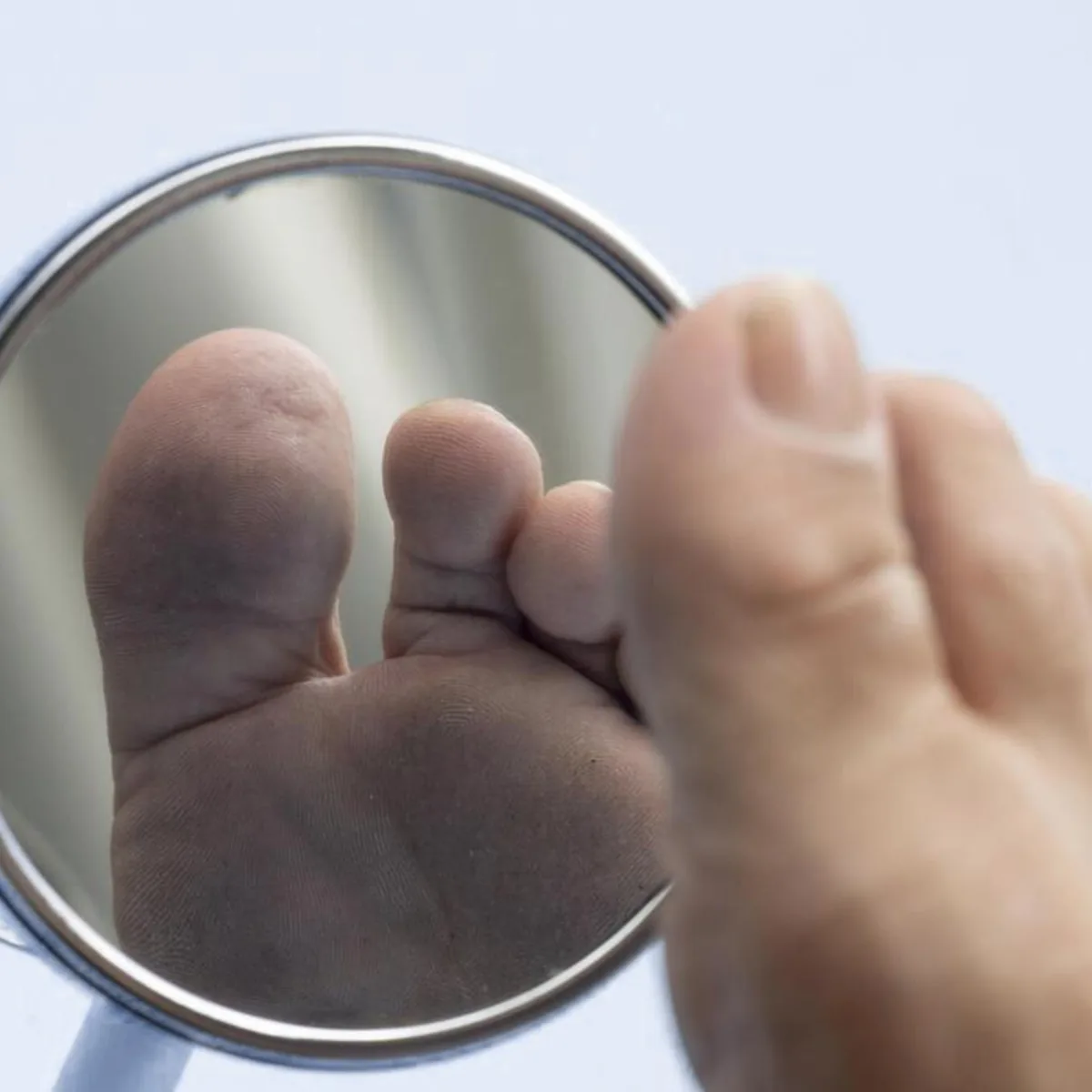
    Hand holding a round mirror to inspect the sole of a foot, the daily self-check recommended when protective sensation is reduced by peripheral neuropathy

    Fit, structure, and daily protection

    Good footwear for a neuropathic foot is a no-surprises environment: stable, supportive, and predictable from the first minute of wear. Fit does more of that work than any single material or brand claim.

    Fit checks to run before you wear a shoe

    • Toe box space: your toes should not feel compressed at any point in the stride.
    • Heel stability: the heel should not lift or slide, because sliding is what creates shear.
    • Closure control: laces or straps should let you keep pressure even across the top of the foot.
    • No break-in period: do not break in shoes on numb feet. If something rubs, stop wearing them and look at the skin.

    What to avoid when sensation is reduced

    • Loose sandals that let the foot slide side to side.
    • Hard, narrow shoes that concentrate pressure on a deformity.
    • Soft slippers with no structure, which allow the foot to shift and rub.
    • Any shoe that feels fine at first and uncomfortable later, since a delayed or muted signal is exactly what neuropathy produces.

    Daily foot inspection is your safety system

    Check both feet at the same time every day, including between the toes and across the sole. If you cannot see the sole, use a mirror, a bright light, or ask someone to look for you.

    Inspection matters most in the people who feel the least. It also matters when burning at night is the loudest symptom, because an injury acquired in the morning may not announce itself at all.

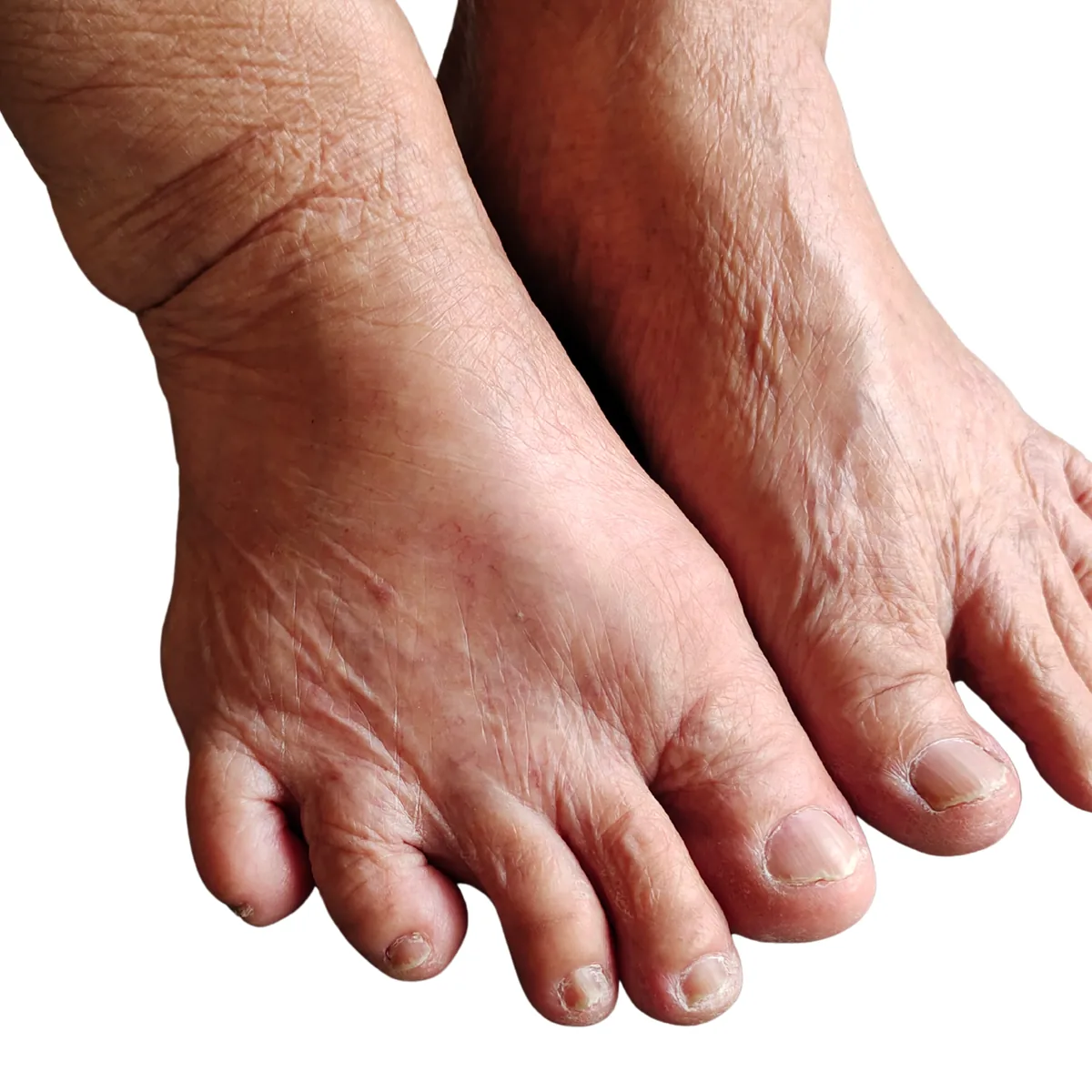
    Bare feet of an older adult showing dry skin, thickened toenails and bunion deformity, the appearance often seen alongside peripheral neuropathy of the feet

    The driver decides the plan, not the symptom

    Neuropathy is a category, not a diagnosis. Two people can have identical numbness in the toes and completely different mechanisms behind it, which is why the evaluation looks for the driver first.

    The feet go first in most length-dependent processes, so they are where the consequences of an unaddressed driver show up soonest. That is the argument for mapping the mechanism rather than managing the sensation alone.

    Drivers that change footwear and foot-care priorities

    • Metabolic and diabetic drivers, where microvascular supply and metabolic stress affect the tissue around the nerve.
    • Nutritional drivers, including B12-related patterns that can contribute to nerve dysfunction.
    • Gluten-related nerve injury, which can be relevant even when celiac testing is negative.
    • Toxic and medication-related exposures, including alcohol-related nerve injury and chemotherapy history.
    • Autoimmune and structural contributors, which can produce patterns that behave differently in the foot.
    • Small-fiber predominant patterns, which tend toward burning, while large-fiber loss raises the risk of an unnoticed wound.

    For how these mechanisms are separated in practice, read about the hidden drivers of peripheral neuropathy.

    Diabetes, perfusion, and skin safety

    Diabetic peripheral neuropathy involves both metabolic and microvascular stress, and the feet are simply where it becomes visible. When oxygen delivery to nerve and skin is reduced, healing after a small injury is slower and less reliable.

    What this means for footwear choices

    • Choose stability: a stable shoe reduces shear during walking, which is the injury most often missed.
    • Inspect earlier: look for redness, blisters, and callus even when nothing hurts.
    • Manage moisture: dry skin cracks and damp skin macerates, and both increase friction damage.
    • Plan around deformity: thickened nails and bunions redistribute pressure and may call for a modified shoe or insert.

    When to stop waiting and contact a clinician

    • An open sore, or redness that is spreading.
    • New swelling, especially with a change in skin temperature.
    • Blisters that keep returning in the same spot in the same shoe.
    • A sudden change in numbness or sensation after a change in footwear.

    Where testing fits

    Foot protection gets more precise once the fiber type and the driver are clearer. Vague labels produce vague plans.

    Electrodiagnostic testing and why the pattern drives the plan

    Electrodiagnostic testing, meaning EMG and nerve conduction studies, is performed on site at Regenerve and gives information about large-fiber involvement. Small-fiber involvement is not always captured the same way, so the evaluation is chosen to match the question being asked.

    How in-clinic therapies connect to foot protection

    Regenerve uses class 4 photobiomodulation, class 3B cold laser, whole-body infrared, and metabolic and nutritional care as part of the medical side of the plan. None of these replaces a well-fitted shoe or a daily inspection.

    The two halves do different jobs. The medical plan works on the environment around the nerve; the shoe and the mirror work on the mechanical insults that happen in between visits.

    Putting it together in the St. Louis region

    Three things run in parallel: protect the foot mechanically, identify the driver medically, and inspect consistently. Dropping any one of them tends to undo the other two.

    How a foot protection plan gets built

    1. Screen for the likely dominant driver with the free five-question Nerve Damage Score, then review the result together.
    2. Clarify the nerve fiber pattern with testing appropriate to your presentation.
    3. Build the footwear and inspection plan around your sensory status, deformities, and risk factors.
    4. Reassess and adjust, because both the driver picture and the foot can change over time.

    Frequently asked questions

    What kind of shoes help when you have peripheral neuropathy?

    Look for stable support, a roomy toe box, and a closure that stops the foot from sliding, since friction and focal pressure are what damage skin that cannot report pain. Fit is checked on your foot, not on the box. For how footwear fits alongside the rest of the plan, see peripheral neuropathy treatments for the feet.

    Should numbness be treated with medication or with footwear first?

    Both have roles, but mechanical protection comes first, because medication does not restore the warning signal that prevents a wound. Numb feet need a shoe and a daily inspection before they need anything else. For what numbness and burning each suggest, see small fiber neuropathy symptoms and testing.

    Is walking safe when my feet are numb?

    Usually yes, in properly fitted shoes and with both feet inspected before and after. Any open wound, or a hot and swollen foot, needs evaluation before weight-bearing activity. For a structured approach to movement, see exercises for peripheral neuropathy in the feet.

    What should I do if my feet burn at night but the skin looks normal?

    Burning at night is common in small-fiber patterns and does not mean an injury will be visible, so daily inspection and friction control still apply. It is also a reason to look for the driver rather than settle for symptom control. For what an evaluation includes, see the services offered at Regenerve.

    Take the next step

    If you want a plan matched to your driver rather than a generic shoe recommendation, start with the free five-question Nerve Damage Score. Regenerve is at 4477 Woodson Rd #104, St. Louis, MO 63134, minutes from St. Louis Lambert International Airport, and serves the St. Louis region, Missouri and Illinois.

    Sources

    1. George H, Rakesh PS, Krishna M, Alex R, Abraham VJ, George K, Prasad JH. “Foot Care Knowledge and Practices and the Prevalence of Peripheral Neuropathy Among People with Diabetes Attending a Secondary Care Rural Hospital in Southern India.” Journal of Family Medicine and Primary Care. 2013;2(1):27–32. https://pmc.ncbi.nlm.nih.gov/articles/PMC3894008/ (referenced for: 212 consecutive patients with diabetes; 75% good foot-care knowledge score; 67% good foot-care practice score).
  • Exercise and Peripheral Nerve Health: What the Research Shows

    Exercise and Peripheral Nerve Health: What the Research Shows

    The research supports exercise as rehabilitation for peripheral nerve health, not as nerve repair. Clinical evidence shows positive trends favoring physical therapy after peripheral nerve damage, measured by range of motion, muscle power grade and pain [2], and in a University of Michigan study of nearly 2,900 participants who wore wrist activity monitors, those who spent more time in moderate or vigorous activity were less likely to have peripheral neuropathy [3].

    What the research does not show is a route to regrown nerves in people. That distinction is the whole point of this article.

    Why movement reaches the nerve at all

    Peripheral nerves are long, metabolically expensive tissue. They depend on oxygen delivery through the vasa nervorum and on stable metabolic conditions, day after day, and both of those are systemic rather than local.

    Exercise acts on exactly those systems. Among adults generally, people who are insufficiently active have a 20% to 30% increased risk of death compared to people who are sufficiently active [1], which is a blunt way of saying that the systems exercise touches are the ones that matter most.

    What the clinical evidence actually says

    A 2021 review in Heliyon examined exercise and peripheral nerve regeneration across animal models and clinical application. In animal models it reported increased axon regeneration, muscle reinnervation, better recovery of strength and muscle mass, and higher expression of neurotrophic factors after peripheral nerve injury [2].

    In humans the same review found clinical evidence of positive trends in favor of physical therapy following peripheral nerve damage, based on improvement in range of motion, muscle power grade and pain [2]. Those are functional outcomes. They are not the same as a measured nerve-repair endpoint.

    Animal results are not human promises

    Biologic plausibility in a rodent model tells you a mechanism is possible. It does not tell you the mechanism operates at a useful scale in a human being with twenty years of metabolic disease behind them. Exercise is used here as rehabilitation and as metabolic and vascular conditioning, and it is not presented as nerve repair.

    Intensity, duration, and diabetic peripheral neuropathy

    About 30% of people with diabetes have diabetic peripheral neuropathy, and 30% to 40% of those experience painful diabetic peripheral neuropathy [3]. Guidelines have recommended physical activity to help prevent diabetic peripheral neuropathy without being specific about how much or how hard, which is what the Michigan work set out to address.

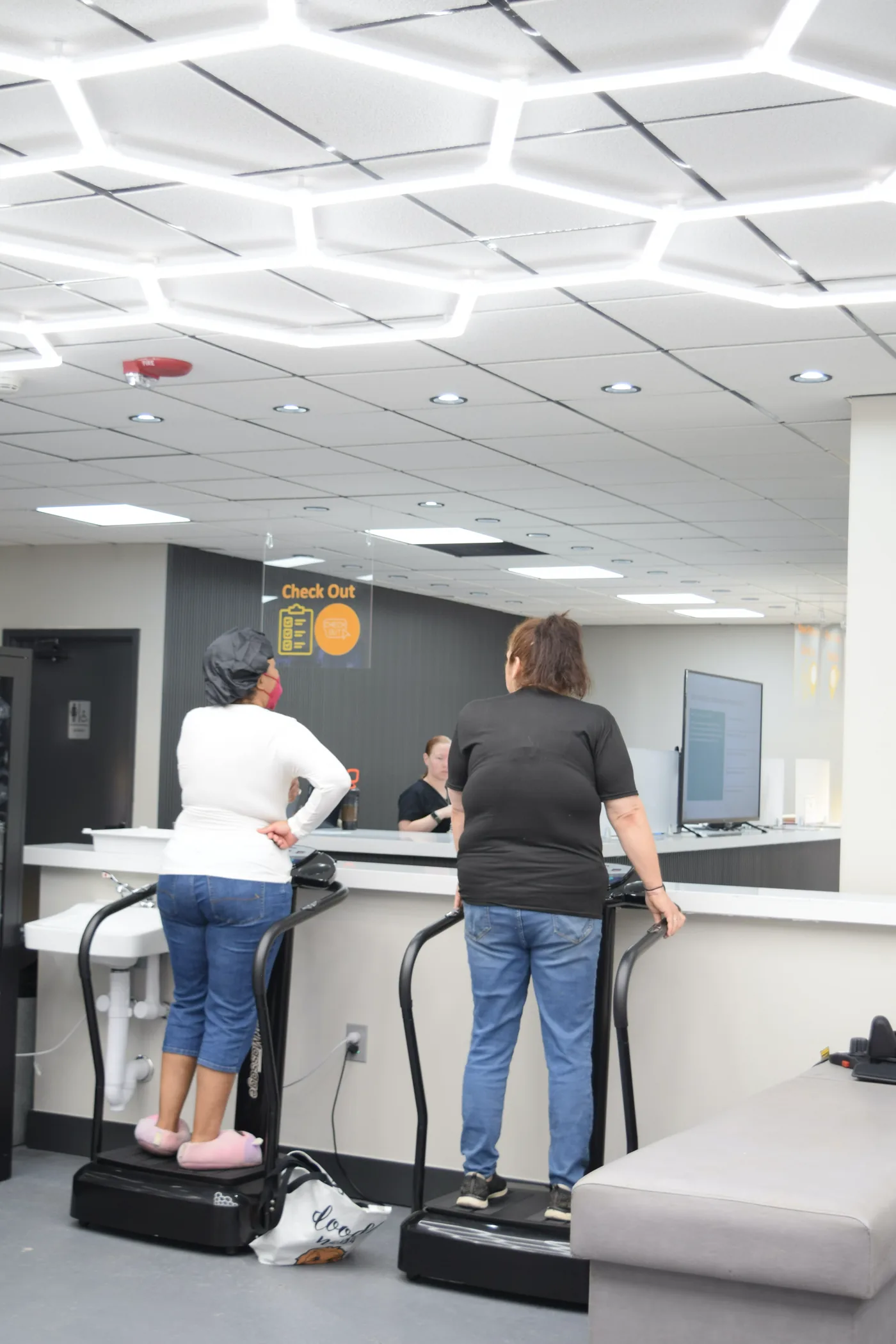
    Two patients standing on whole-body vibration platforms in the therapy area at Regenerve, 4477 Woodson Rd, St. Louis, MO 63134

    Their finding, in nearly 2,900 participants wearing wrist activity monitors, was that more time in moderate or vigorous activity was associated with a lower likelihood of peripheral neuropathy [3]. Association is not causation, and the study measures activity rather than prescribing it.

    Exercise lands better when the terrain is being managed

    If the metabolic drivers stay active, activity is working against a headwind. That is the reasoning behind pairing movement with metabolic and microvascular care rather than offering it as a standalone instruction.

    How the program is structured

    The weekly structure used at Regenerve combines endurance work for the metabolic and vascular benefit, sensorimotor and balance training for stability and function, resistance work, and daily foot and ankle mobility.

    The common failure is adding intensity too quickly. Consistency first, then progression, with symptoms monitored along the way. The full weekly structure and how to adjust it is in exercises for peripheral neuropathy in the feet.

    When symptoms flare

    Some people feel worse before they feel better. If burning is increasing session over session, the plan gets adjusted rather than pushed through, usually by reducing load and duration while keeping the frequency.

    Matching the plan to the driver

    Neuropathy is a category, not a diagnosis, and the most effective plan depends on what is stressing the nerve. Even where diabetes is present, other contributors are often active at the same time: medication effects, alcohol, nutritional deficits, autoimmune drivers, toxic exposures and structural compression.

    Idiopathic is a label, not an answer

    When symptoms are filed as idiopathic, the upstream drivers are still worth looking for, because improving the terrain means addressing whatever caused it to fail.

    Chemotherapy-induced neuropathy needs pacing

    Chemotherapy-induced neuropathy can be persistent and sensitive to load. Exercise may still have a role, but the plan has to respect recovery time, and evaluation should come before pushing through new numbness.

    Nutritional and autoimmune drivers change what else you do

    Where a functional B12 deficiency or a gluten-related mechanism is driving the injury, exercise alone has limited ability to correct it. The deficit has to be addressed on its own terms.

    Testing that tells you what you are training

    Balance training does not help much if the instability is coming from somewhere you have not identified. Electrodiagnostic testing, performed on site, characterizes nerve involvement and can separate a systemic neuropathy from a compression pattern. Videonystagmography, or VNG, measures inner-ear balance function and is diagnostic only.

    Frequently asked questions

    Can exercise repair damaged nerves?

    Animal studies show biologic plausibility, including increased axon regeneration and muscle reinnervation, and clinical evidence shows positive trends favoring physical therapy after peripheral nerve damage for range of motion, muscle power grade and pain [2]. Animal findings do not transfer automatically to people, and no one should promise nerve regrowth. See peripheral neuropathy treatments for the feet.

    Is walking enough, or does intensity matter?

    In a University of Michigan study of nearly 2,900 participants who wore wrist activity monitors, those who spent more time in moderate or vigorous activity were less likely to have peripheral neuropathy [3]. Intensity appears to matter, though the practical starting point is whatever you can repeat. See peripheral neuropathy of the feet symptoms.

    What if exercise makes my feet burn more?

    Then the plan needs adjusting rather than pushing through. Reduce the load, shorten the session, and keep the frequency; that usually preserves the metabolic benefit without provoking the flare. See the neuropathy services offered at Regenerve.

    Could my instability be something other than neuropathy?

    It can be. Compression patterns such as carpal tunnel and sciatica produce overlapping symptoms, and inner-ear balance function is a separate question that VNG testing evaluates diagnostically. See carpal tunnel, sciatica and double crush.

    Start with the driver

    How aggressively to progress endurance, how much balance work to prioritize, and what else needs to happen alongside it all follow from which driver is doing the most damage. The free five-question Nerve Damage Score at regenerve.com/assessment is the first step.

    Sources

    1. World Health Organization, Physical activity (fact sheet), updated 26 June 2024, https://www.who.int/news-room/fact-sheets/detail/physical-activity.
    2. Maugeri G, D’Agata V, Trovato B, Roggio F, Castorina A, Vecchio M, Di Rosa M, Musumeci G, The role of exercise on peripheral nerve regeneration: from animal model to clinical application, Heliyon, 2021;7(11):e08281, doi:10.1016/j.heliyon.2021.e08281, https://pmc.ncbi.nlm.nih.gov/articles/PMC8571504/.
    3. University of Michigan Medical School, New exercise guidelines for neuropathy, https://medresearch.umich.edu/research-news/new-exercise-guidelines-neuropathy.
  • Early signs of diabetic peripheral neuropathy: burning feet at night, numbness, and what to do

    Early signs of diabetic peripheral neuropathy: burning feet at night, numbness, and what to do

    The early signs are sensory and they start in the toes: burning at night, tingling, and numbness that spreads upward on both feet at once. Diabetic peripheral neuropathy occurs in up to 50% of patients with diabetes mellitus and commonly presents as distal symmetric polyneuropathy with a stocking-and-glove distribution, starting in the toes and moving proximally.1 Recognizing the pattern early matters because the same paper links it to loss of protective sensation and the cascade into foot ulcers, wounds and infections.1

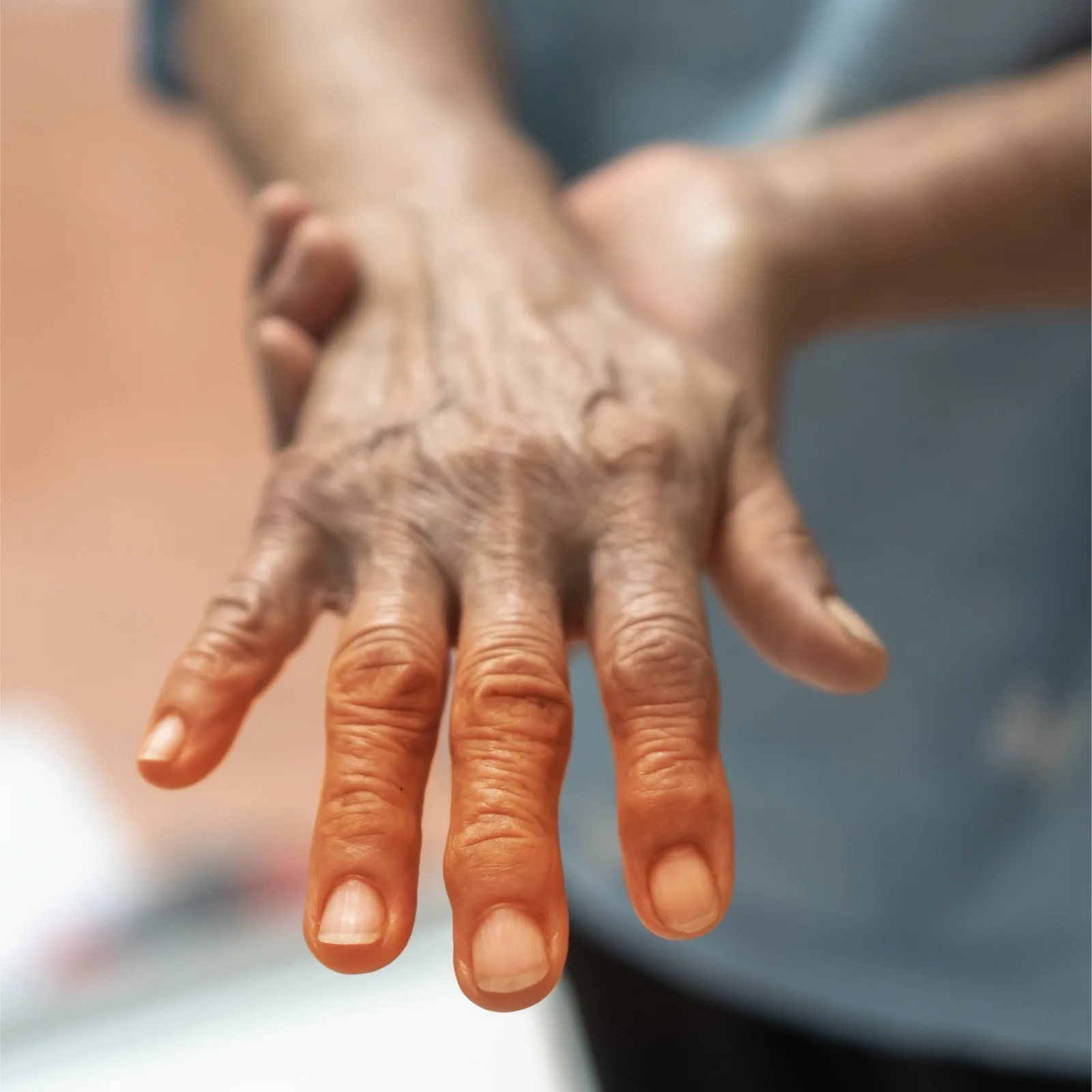
    Older adult's outstretched hand with the fingertips shaded, showing the glove pattern of distal symmetric peripheral neuropathy

    What the early pattern looks like

    These changes rarely feel like an emergency at first. People describe them as being in the socks, on the skin, or in the floor underfoot.

    • Burning in the feet that is worse at night or after lying down
    • Tingling or pins-and-needles in the toes or forefoot
    • Numbness that starts small and spreads upward
    • Brief electric or stabbing pains
    • Unsteadiness on uneven ground or in the dark

    The symmetry is the diagnostic clue. A problem in one foot alone points somewhere else; the same change in both feet, worst at the toes, fits a length-dependent process.

    Bare feet of an older adult showing dry skin, thickened toenails and bunion deformity, the appearance often seen alongside peripheral neuropathy of the feet

    Why numbness is the more dangerous symptom

    Pain gets attention. Numbness does not, which is exactly the problem: American Family Physician notes that diabetic peripheral neuropathy may result in a loss of protective sensation and cascade into foot ulcers, wounds, infections and tissue necrosis.1

    Once protective sensation is reduced, a blister or a stone in the shoe no longer announces itself. That is the point at which daily foot inspection stops being optional.

    Hand holding a round mirror to inspect the sole of a foot, the daily self-check recommended when protective sensation is reduced by peripheral neuropathy

    Why a normal A1C does not settle the question

    Fasting glucose and A1C describe circulating sugar at a point in time. They are not a direct measure of the metabolic state around the nerve, and a result inside the reference range does not by itself rule out an early neuropathic process.

    In our clinic we look at insulin resistance and the wider metabolic picture rather than relying on A1C alone. The reasoning is set out in blood sugar and nerve damage, and why normal labs miss it.

    Where chronic hyperglycemia is present, glycation is one of the mechanisms by which sugar damages nerve tissue over time. We explain it in how glycation damages nerves.

    Other drivers that can be present at the same time

    Neuropathy is a category, not a diagnosis, and a diabetes diagnosis does not exclude a second cause. American Family Physician specifically directs physicians to address underlying risk factors including vitamin B12 deficiency alongside glycemic control.1

    Nutritional, autoimmune, toxic and structural drivers all produce foot symptoms, and treating only the one you assumed is how a plan stalls. Identifying which driver is doing the most damage is the first job of the evaluation.

    What evaluation and care look like at Regenerve

    We perform electrodiagnostic testing (EMG/NCS) on site, and we sort between metabolic, nutritional, autoimmune, toxic and structural drivers before building a plan. Where balance is involved, VNG is used as a diagnostic test of inner-ear balance function, not as a treatment.

    Care options include physician-directed metabolic and nutritional care, class 4 photobiomodulation, class 3B cold laser and whole-body infrared. Orthobiologic injections (PRP and BMAC) are offered in selected situations. Qutenza (capsaicin 8% patch) is FDA-approved in adults only for neuropathic pain from postherpetic neuralgia and from diabetic peripheral neuropathy of the feet; it is applied in clinic by a clinician and repeated no more often than every three months.

    We do not promise nerve regeneration, reversal or cure, and we do not publish a success rate for our protocol. We are at 4477 Woodson Rd #104, St. Louis, MO 63134, and we see patients from the St. Louis region, Missouri and Illinois.

    What to do this week

    • Check both feet daily, soles included, using a mirror if you cannot see them.
    • Write down when the burning is worst and whether it is spreading.
    • Wear shoes that do not create pressure points, and check inside them before putting them on.
    • Ask for a work-up that looks past A1C, including B12 status.
    • Get evaluated rather than waiting for the pain to make the decision for you.

    Start with your Nerve Damage Score

    If you recognize the pattern, do not wait for it to spread. The Nerve Damage Score is a free five-question screen that helps identify which driver to test for first.

    Frequently asked questions

    What are the earliest signs of diabetic peripheral neuropathy?

    Sensory changes in the toes come first: burning at night, tingling, and numbness that spreads upward in a symmetric pattern. American Family Physician describes the presentation as distal symmetric polyneuropathy with a stocking-and-glove distribution, starting in the toes and moving proximally. See peripheral neuropathy of the feet symptoms.

    My nerve testing was normal but my feet burn at night. What now?

    Standard nerve conduction studies are weighted toward large myelinated fibers, so a small-fiber problem can sit beneath a normal result. Burning, temperature changes and altered sweating are the pattern worth raising. See small fiber neuropathy symptoms and testing.

    Can I have nerve symptoms from something other than blood sugar?

    Yes, and more than one driver can be present at the same time. Nutritional, autoimmune, toxic and structural causes all produce foot symptoms, which is why the work-up looks past the diabetes label. See why a normal B12 result can still miss neuropathy.

    Is numbness better than pain?

    No. Loss of protective sensation is what allows an injury to go unnoticed, and American Family Physician links it to the development of foot ulcers, wounds and infections. Numbness is a reason to start daily foot checks, not to relax. See exercises for peripheral neuropathy in the feet.

    Sources

    1. Bragg S, Marrison ST, Haley S. “Diabetic Peripheral Neuropathy: Prevention and Treatment.” American Family Physician. 2024;109(3):226. https://www.aafp.org/afp/2024/0300/diabetic-peripheral-neuropathy
    2. Hicks CW, Selvin E. “Epidemiology of Peripheral Neuropathy and Lower Extremity Disease in Diabetes.” Current Diabetes Reports. 2019;19(10):86. https://pmc.ncbi.nlm.nih.gov/articles/PMC6755905/
  • EMG and nerve conduction study in St. Louis: what it tests and what results mean

    EMG and nerve conduction study in St. Louis: what it tests and what results mean

    An EMG and nerve conduction study checks how well your muscles and the nerves that control them are working.1 EMG reads the electrical signals your muscles make at rest and in use; the nerve conduction study measures how fast and how well electrical signals move along your nerves, because a damaged nerve has a slower and weaker signal.1 At Regenerve the testing is performed on site, so evaluation and results happen in one place.

    What EMG reads

    MedlinePlus describes the principle simply: a healthy muscle should not give off any electrical signals when you are not moving it.1 If a muscle is damaged, it may show electrical activity at rest, or activity that is not normal during use.

    That is why EMG is a functional snapshot rather than a picture. It tells you how the muscle is behaving right now, which is information an image cannot give you.

    What the nerve conduction study measures

    StatPearls describes nerve conduction studies as providing data on nerve conduction velocity, the amplitude of the compound motor action potential, and the sensory nerve action potential.2 Conduction velocity measures the speed of conduction in large myelinated axons of the peripheral nerve.

    That last detail is the one patients most often need. The study is weighted toward large myelinated fibers, which is why it can read normal in a person whose symptoms come from small fibers.

    Why the two tests are paired

    MedlinePlus notes that the tests can be done separately but are usually done at the same time.1 The combined pattern is what turns a set of abnormal numbers into a usable map of where the problem sits.

    Patient reclined for small-fiber and autonomic nerve testing, with sensor cuffs on both ankles and wrists, at Regenerve, 4477 Woodson Rd, St. Louis, MO 63134

    What the results can and cannot answer

    StatPearls lists the clinical indications for nerve conduction studies and EMG as studying pathophysiology, assessing disease severity, identifying the level of injury and predicting prognosis.2 Electrodiagnostic studies also help localize lesions, separate sensory from motor involvement, and distinguish axonal from demyelinating patterns.2

    What they do not do is name the cause. A slowed conduction velocity does not say whether the driver is metabolic, nutritional, autoimmune, toxic or structural, and that is the question that determines treatment.

    A normal result is information, not dismissal

    A normal study means the specific nerves and muscles tested did not show measurable abnormality. It does not mean the symptoms are imagined, and it does not close the work-up.

    When symptoms point at small fibers — burning, temperature change, altered sweating — a normal large-fiber study is an expected finding rather than a contradiction.

    How we use the result at Regenerve

    The electrodiagnostic result is one input into identifying which driver is causing the nerve injury. From there we build a physician-directed plan around that driver rather than around the word “neuropathy”.

    Our services include on-site electrodiagnostic testing, class 4 photobiomodulation, class 3B cold laser, whole-body infrared, metabolic and nutritional care, and VNG balance testing, which is a diagnostic test of inner-ear balance function rather than a treatment. Orthobiologic injections (PRP and BMAC) are offered in selected situations. The full list is on the Regenerve services page.

    We do not promise nerve regeneration, reversal or cure, and we do not publish a success rate for our protocol.

    We are at 4477 Woodson Rd #104, St. Louis, MO 63134, minutes from St. Louis Lambert International Airport, and we see patients from the St. Louis region, Missouri and Illinois. Directions and hours are on our St. Louis neuropathy treatment page.

    Start with your Nerve Damage Score

    If you are trying to decide whether nerve testing is your next step, the free five-question Nerve Damage Score is a fast way to focus the first visit.

    Frequently asked questions

    What does an EMG and nerve conduction study appointment involve?

    Both tests are usually done in the same visit. EMG looks at the electrical signals your muscles make at rest and when used, and the nerve conduction study measures how fast and how well signals move along your nerves. See small fiber neuropathy symptoms and testing.

    My EMG was normal but my feet still burn. What does that mean?

    It means the tested nerves and muscles did not show measurable abnormality, not that nothing is happening. Nerve conduction velocity measures conduction in large myelinated axons, so a small-fiber problem can sit underneath a normal study. See peripheral neuropathy of the feet symptoms.

    What questions can the results actually answer?

    StatPearls lists the clinical indications as studying pathophysiology, assessing disease severity, identifying the level of injury and predicting prognosis. They are answers to specific questions rather than a single verdict. See the hidden drivers of peripheral neuropathy.

    Does an abnormal result confirm diabetic neuropathy?

    No. An abnormal study shows that nerve function is impaired; it does not identify the cause, and more than one driver can be present at once. The driver work-up continues after the electrodiagnostic result. See diabetic peripheral neuropathy treatment in St. Louis.

    Sources

    1. MedlinePlus, U.S. National Library of Medicine. “Electromyography (EMG) and Nerve Conduction Studies.” Last updated April 10, 2024. https://medlineplus.gov/lab-tests/electromyography-emg-and-nerve-conduction-studies/
    2. Ramani PK, Lui F, Arya K. “Nerve Conduction Studies and Electromyography.” StatPearls [Internet]. Treasure Island (FL): StatPearls Publishing. Last updated February 10, 2025. https://www.ncbi.nlm.nih.gov/books/NBK611987/
  • Duloxetine for Painful Diabetic Neuropathy: Evidence and Limits

    Duloxetine for Painful Diabetic Neuropathy: Evidence and Limits

    Duloxetine reduces pain more than placebo in painful diabetic peripheral neuropathy, and the size of that benefit is modest. In a 2023 systematic review and meta-analysis of 7 randomized controlled trials in adults with painful diabetic peripheral neuropathy, duloxetine was more efficacious than placebo for pain improvement, with a mean difference of -0.89 (95% confidence interval -1.09 to -0.69; P <.00001) [1].

    The limits sit in two places: whether you can tolerate it long enough for the benefit to matter, and whether the driver behind the nerve injury is still active while you take it.

    What the pooled trial evidence supports

    The same 2023 meta-analysis also found improvement on the Clinical Global Impression severity subscale, the Patient Global Impression of Improvement scale, and the European Quality of Life Instrument 5D version, all in patients with painful diabetic peripheral neuropathy [1].

    On dosing, the authors concluded that when a 60 mg dose is insufficient, 120 mg of duloxetine may improve symptoms [1]. That is an evidence statement, not a self-escalation instruction. Dose decisions belong with the prescribing clinician, particularly alongside other medications or with liver, blood pressure or bleeding considerations.

    What it does not do

    Duloxetine acts on pain signaling. It does not reduce glycation damage, improve delivery through the vasa nervorum, or correct a nutritional deficit. Where one of those is the active driver, the medication can help with the sensation while the underlying problem continues.

    Tolerability is where the evidence turns

    In the pooled trial data, severe adverse events were rare. Nausea, somnolence, dizziness, fatigue, constipation and decreased appetite were common, and approximately 12.6% of patients discontinued because of those common symptoms [1].

    A 2025 single-center study of 113 adults aged 25 to 65 with diabetic neuropathy, treated at a provincial hospital in Quetta, Pakistan, reported adverse effects in 32 patients (28.3%), most often nausea in 12 (10.6%), dizziness in 8 (7.1%) and somnolence in 7 (6.2%) [2]. Observational data cannot establish causation the way a randomized trial can, but it gives a sense of what tolerability looks like outside a trial protocol.

    Why the driver still matters

    Neuropathy is a category, not a diagnosis. Even when diabetes is clearly present, other contributors are frequently active at the same time, and they change what the rest of the plan should be.

    • Glycation and AGEs, which continue to act on nerve tissue regardless of what a pain medication is doing.
    • Functional B12 deficiency, which can be missed when a serum value in the normal range is treated as settled.
    • Gluten-related nerve injury, which can occur even with a negative celiac panel.
    • Medication effects, including agents that affect nutrient status and warrant monitoring.

    The clinical work at Regenerve is aimed at that layer: restoring microvascular perfusion so oxygen reaches the nerve, reducing the metabolic pathways producing glycation damage, and supplying the substrates nerves need, all under physician evaluation. That is the layer a pain medication does not reach.

    Testing that tells you whether the evidence applies to you

    Patient reclined for small-fiber and autonomic nerve testing, with sensor cuffs on both ankles and wrists, at Regenerve, 4477 Woodson Rd, St. Louis, MO 63134

    The trials above enrolled patients with painful diabetic peripheral neuropathy. Whether that describes your situation is a question the workup answers, not the diagnosis label on the chart.

    Electrodiagnostic testing

    EMG and nerve conduction studies, performed on site, characterize which fibers are involved and can separate a systemic neuropathy from a compression pattern. That matters most when symptoms suggest more than one mechanism at once.

    Balance testing is diagnostic only

    Videonystagmography, or VNG, measures inner-ear balance function. It clarifies whether a second system is contributing to unsteadiness. It is a test, not a treatment.

    Small fiber involvement

    Small fiber neuropathy can produce burning and sensory change that a single test will not always capture, which is one reason the evaluation focuses on the driver profile rather than on confirming the word neuropathy.

    What sits alongside medication

    None of this is framed as an alternative to duloxetine. Class 4 photobiomodulation and class 3B cold laser are used as part of neuropathy care, and whole-body infrared is also offered. Where gait and sensory feedback are affected, whole-body vibration may be part of the broader plan.

    For how these fit together for foot-predominant symptoms, see diabetic peripheral neuropathy treatment in St. Louis.

    Frequently asked questions

    How much pain relief does duloxetine actually provide?

    In a 2023 meta-analysis of 7 randomized controlled trials in adults with painful diabetic peripheral neuropathy, duloxetine beat placebo on pain improvement by a mean difference of -0.89 (95% CI -1.09 to -0.69; P <.00001) [1]. That is a real effect and a modest one, which is why it usually sits alongside driver-focused care rather than replacing it. See peripheral neuropathy treatments for the feet.

    What side effects most often make people stop?

    In the same pooled trial data, severe adverse events were rare, while nausea, somnolence, dizziness, fatigue, constipation and decreased appetite were common; about 12.6% of patients dropped out because of those common symptoms [1]. Tolerability, not efficacy, is usually the deciding factor. See small fiber neuropathy symptoms and testing.

    If 60 mg is not enough, does going to 120 mg help?

    The 2023 meta-analysis concluded that when a 60 mg dose is insufficient, 120 mg may improve symptoms in painful diabetic peripheral neuropathy [1]. That is a physician decision, and it depends on what else you take and on liver, blood pressure and bleeding risk. See why a negative celiac test does not close the question.

    What if my neuropathy is not only diabetic?

    Then the evidence base fits your situation less well, because these trials enrolled patients with painful diabetic peripheral neuropathy specifically. Nutritional, autoimmune, toxic and structural drivers can run alongside diabetes and change what the plan should prioritize. See why a normal B12 result can still miss a deficiency.

    Decide with a map, not a trial and error

    Whether duloxetine belongs in your plan is easier to answer once you know which driver is doing the most damage. The free five-question Nerve Damage Score at regenerve.com/assessment is where that conversation starts.

    Sources

    1. Wu CS, Huang YJ, Ko YC, Lee CH, Efficacy and safety of duloxetine in painful diabetic peripheral neuropathy: a systematic review and meta-analysis of randomized controlled trials, Systematic Reviews (BMC), 2023, doi:10.1186/s13643-023-02185-6, https://pmc.ncbi.nlm.nih.gov/articles/PMC10031998/.
    2. Osama M, Javaid M, Shahid B, Heema, Jamali AG, Anwar B, Mushtaq T, Efficacy of duloxetine in the management of diabetic neuropathy: a prospective observational cohort study, Cureus, 2025, doi:10.7759/cureus.82382, https://pmc.ncbi.nlm.nih.gov/articles/PMC12089739/.
  • Driving safety with numb feet from peripheral neuropathy: how to know when your feet are lying to you

    Driving safety with numb feet from peripheral neuropathy: how to know when your feet are lying to you

    Numb feet change driving because the pedal feedback loop depends on sensation you may no longer have. The National Institute of Neurological Disorders and Stroke lists inability to feel vibration and touch, especially in the hands or feet, and loss of position sense among the symptoms of sensory nerve involvement.1 Both of those are exactly what you use to find a pedal and judge how hard you are pressing it.

    Why sensation, not pain, is the driving question

    Driving is a correction loop. You press, you feel the resistance, you adjust. When touch and position sense are degraded, the correction arrives late or lands in the wrong place.

    NINDS also notes that loss of position sense can leave a person unable to coordinate complex movements or maintain balance with their eyes shut.1 A footwell is a dark place where your eyes cannot help you.

    Symptoms can arrive on any timescale

    NINDS states that symptoms of peripheral neuropathy may develop over days, weeks or years, depending on the type of nerve fibers affected and the type and severity of damage.1 That is why a driving judgment made two years ago is not a judgment about today.

    Reassess after any medication change, any fall, any new numbness, and after any near-miss you explained away. You can read how the sensory pattern is described clinically in peripheral neuropathy of the feet symptoms.

    What the driving research shows

    Brake response time

    A 2017 case-control study in the Journal of Foot and Ankle Surgery measured brake response time on a computerized driving simulator in 25 active drivers with type 2 diabetes and lower extremity neuropathy against 25 active drivers with neither condition.2 The neuropathy group had a slower mean brake response time, and abnormally delayed responses occurred more often.

    Pressing the wrong pedal

    A 2026 study in Transportation Research Interdisciplinary Perspectives compared drivers with and without neuropathy affecting foot sensation and ankle proprioception in a driving simulation.3 Only the drivers with neuropathy produced sudden, powerful, unsafe and unintended accelerations when braking was needed — instances of pedal confusion and misapplication.

    The authors state that diabetic peripheral neuropathy increases the likelihood of pressing the wrong pedal, which places those drivers at increased risk of crash from unintended acceleration.3 They recommend three countermeasures: driving a manual gearbox rather than an automatic, fitting an acceleration limiter, and lighting the footwell and pedals at night.

    Patient reclined for small-fiber and autonomic nerve testing, with sensor cuffs on both ankles and wrists, at Regenerve, 4477 Woodson Rd, St. Louis, MO 63134

    Signs it is time to stop and get evaluated

    These are the patterns worth acting on rather than absorbing:

    • Numbness that is spreading or deepening over weeks rather than staying stable.
    • Having to hunt for the pedal, or being unsure how far down you have pushed it.
    • Any episode of unintended acceleration, pedal confusion, or a near-miss you cannot explain.
    • New unsteadiness on uneven ground or in the dark.
    • A new medication that affects alertness, balance or reaction time.

    If driving already feels unreliable, pause it while you get evaluated rather than testing the question on a public road.

    What an evaluation at Regenerve looks at

    The useful question is not whether you have neuropathy but which driver is causing it and which specific functions have been lost. We perform electrodiagnostic testing (EMG/NCS) on site, and we sort between metabolic, nutritional, autoimmune, toxic and structural drivers.

    Where balance is part of the picture, we use VNG as a diagnostic test of inner-ear balance function. VNG is a test, not a treatment. Our therapy options include class 4 photobiomodulation, class 3B cold laser and whole-body infrared.

    Orthobiologic injections such as PRP and BMAC are offered in selected situations. Qutenza (capsaicin 8% patch) is FDA-approved in adults only for neuropathic pain from postherpetic neuralgia and from diabetic peripheral neuropathy of the feet; any other use is off-label. It is applied in clinic by a clinician and repeated no more often than every three months. We do not promise nerve regeneration, reversal or cure.

    We see patients from the St. Louis region, Missouri and Illinois, at 4477 Woodson Rd #104, St. Louis, MO 63134. Details are on our St. Louis neuropathy treatment page.

    Start with your Nerve Damage Score

    If your feet have gone quiet, find out what is causing it before you decide anything about driving. The Nerve Damage Score is a free five-question screen.

    Frequently asked questions

    Can I keep driving if my feet are numb from neuropathy?

    That depends on how much sensation and position sense you have lost, and it is not something to judge from a good day. NINDS lists inability to feel vibration and touch and loss of position sense among sensory nerve symptoms, and both affect how accurately you place and load a pedal. See burning feet and nerve pain.

    What is pedal confusion, and is neuropathy really linked to it?

    Pedal confusion means pressing the accelerator when you intended to brake. In a 2026 driving-simulation study, only drivers with diabetic peripheral neuropathy produced sudden, powerful, unsafe and unintended accelerations when braking was needed. See the hidden drivers of peripheral neuropathy.

    What should I ask about before a driving decision?

    Ask about your sensory examination, your position sense, your medications, and whether a formal driver rehabilitation evaluation is appropriate for you. Bring the specific driving moments that feel unreliable rather than a general impression. See Regenerve services and testing.

    Does treating the pain make driving safer?

    Not by itself. Pain relief and sensory accuracy are different things, and a treatment that reduces burning does not restore the pressure and position feedback a pedal needs. Qutenza, for example, is approved for neuropathic pain, not for sensory recovery. See Qutenza (capsaicin 8% patch).

    Sources

    1. National Institute of Neurological Disorders and Stroke. “Peripheral Neuropathy.” Last reviewed March 13, 2026. https://www.ninds.nih.gov/health-information/disorders/peripheral-neuropathy
    2. Meyr AJ, Spiess KE. “Diabetic Driving Studies—Part 1: Brake Response Time in Diabetic Drivers With Lower Extremity Neuropathy.” Journal of Foot and Ankle Surgery. 2017;56(3):568–572. https://pubmed.ncbi.nlm.nih.gov/28476387/
    3. Perazzolo M, Esselaar M, Marple-Horvat DE. “Sudden, powerful, unsafe and unintended accelerations: Pedal confusion and misapplication in drivers with diabetic peripheral neuropathy.” Transportation Research Interdisciplinary Perspectives. 2026;38:102129. https://doi.org/10.1016/j.trip.2026.102129
  • Diabetic Foot Ulcer Prevention When You Have Neuropathy

    Diabetic Foot Ulcer Prevention When You Have Neuropathy

    When neuropathy has taken your protective sensation, foot ulcer prevention stops being a hygiene habit and becomes a substitution: you replace the warning your nerves used to give with a daily visual check and deliberate control of pressure. Diabetic peripheral neuropathy occurs in up to 50% of patients with diabetes mellitus [1][4], and in that group an injury can develop well before anything hurts.

    That is the whole logic of prevention here. Look, because you can no longer feel; and control the pressure and friction that create the injury in the first place.

    Why neuropathy changes the arithmetic

    Metabolic neuropathy is length-dependent, so it reaches the longest nerve fibers first. That produces the familiar pattern that starts at the toes and moves upward, with burning, tingling or numbness that is often worse at night.

    The consequence is mechanical. Skin is still being stressed by every step, but the alarm is weaker, so a blister or a crack has time to become a chronic wound before anyone notices. Once skin is open, bacteria have an entryway, which is why prevention is really about preventing the entryway and catching what does open early [2].

    The two daily habits that prevent most late-discovered ulcers

    Hand holding a round mirror to inspect the sole of a foot, the daily self-check recommended when protective sensation is reduced by peripheral neuropathy

    Check your feet every day

    Not when there is time. Daily, as a fixed routine, because it is doing the job that sensation used to do [3].

    • Use bright light and a mirror for the soles and between the toes.
    • Look for redness that does not fade, new callus, blisters, cracks, drainage or a new odor.
    • Note changes in writing, and photograph anything you want to compare next week.

    Keep pressure and friction under control

    Pressure is the part people get backward. Patients whose feet are numb may choose shoes half a size too small because they need more pressure before the shoe registers as fitting, and that creates the pressure points that turn into skin breakdown [5].

    • Buy for measured length and width, not for how snug the shoe feels.
    • Check inside the shoe before putting it on. A seam, a pebble or a shifted insert is enough.
    • Do not walk barefoot outdoors, and do not stay in wet socks.

    Map the driver instead of guessing

    Neuropathy is a category, not a diagnosis, and blood sugar is rarely the only thing acting on the nerve. Some drivers are metabolic, some nutritional, some toxic, some autoimmune or structural, and each has different leverage.

    That matters for prevention because the drivers determine how well tissue tolerates stress and how quickly it repairs. If the driver is still running, the skin you are protecting is working with a thinner margin.

    Ankle blood pressure cuffs and sensors placed on a patient's feet during ankle-brachial index testing at Regenerve, 4477 Woodson Rd #104, St. Louis, MO 63134

    Testing that changes the plan

    Electrodiagnostic testing, performed on site, can characterize nerve involvement when symptoms are unclear or changing. Where perfusion is a question, vascular assessment looks at whether micro-circulation is part of why repair is slow. Both are worth doing when the answer would alter what you are doing at home.

    Movement, and why it belongs in a prevention plan

    Exercise works on the systems that decide how much stress your feet can take: insulin sensitivity and glucose handling, lipids, vascular function, and blood flow to the vasa nervorum that supply the nerve itself.

    The program structure used at Regenerve combines endurance work, sensorimotor and balance training, resistance work, and daily foot and ankle mobility. Details of the weekly structure and how to progress it without provoking flares are in exercises for peripheral neuropathy in the feet.

    What we do in clinic, and what it is not

    Medication that quiets the pain signal does not repair the nerve environment. The work in clinic is aimed at the terrain: restoring microvascular perfusion so oxygen reaches the nerve, reducing the metabolic pathways that produce glycation damage, and supplying the substrates nerves need, all under physician evaluation.

    Light-based therapies

    Class 4 photobiomodulation and class 3B cold laser are used as part of neuropathy care, alongside the metabolic work rather than instead of it. Whole-body infrared is also offered.

    Orthobiologic injections at Regenerve

    Where orthobiologic injections are considered, the driver-focused plan stays primary.

    When you find something

    This is where prevention is won or lost. Waiting for pain in a foot that cannot feel means waiting for the ulcer to declare itself some other way.

    • Stop walking on it. Keep weight and pressure off the area entirely.
    • Clean gently. Do not scrub broken skin or apply anything abrasive.
    • Call your clinician the same day for evaluation, not next week.

    Recurrence after a first ulcer is common enough that prevention has to continue after healing rather than stopping with it [2]. The routine is permanent.

    Frequently asked questions

    What does a daily foot check for neuropathy actually involve?

    Bright light, a mirror for the soles, and a look between every toe. You are watching for redness that does not fade, new callus, blisters, cracks, drainage or a new odor. It replaces the warning that protective sensation is no longer giving you. See peripheral neuropathy of the feet symptoms.

    Why do people with numb feet often end up in shoes that are too small?

    Because pressure is what still registers. Patients whose feet are numb may pick shoes half a size too small in order to feel that the shoe fits, which creates the pressure points that lead to skin breakdown [5]. Buy for measured length, not for how the shoe feels. See the hidden drivers of peripheral neuropathy.

    Do I need nerve testing to prevent a foot ulcer?

    No test substitutes for the daily check, but electrodiagnostic testing can clarify which fibers are involved when the pattern is unclear or changing, which in turn sharpens what you are preventing. See the neuropathy services offered at Regenerve.

    What if the problem is not diabetic neuropathy at all?

    It happens. Compression syndromes such as carpal tunnel and sciatica can produce numbness and burning that get filed under diabetic neuropathy, and the prevention plan differs. See carpal tunnel, sciatica and double crush.

    Find out what is driving it

    Prevention gets easier when you know which driver is doing the damage. The free five-question Nerve Damage Score at regenerve.com/assessment is the starting point, and it takes a few minutes.

    Sources

    1. Bragg S, Tucker Marrison S, Haley S, Diabetic Peripheral Neuropathy: Prevention and Treatment, American Family Physician, 2024;109(3):226–232, https://www.aafp.org/afp/2024/0300/diabetic-peripheral-neuropathy.
    2. Parveen K, Hussain MA, Anwar S, Elagib HM, Kausar MA, Comprehensive review on diabetic foot ulcers and neuropathy: treatment, prevention and management, World Journal of Diabetes, 2025;16(3):100329, https://pmc.ncbi.nlm.nih.gov/articles/PMC11885961/.
    3. Centers for Disease Control and Prevention, Diabetes and Your Feet, https://www.cdc.gov/diabetes/diabetes-complications/diabetes-and-your-feet.html.
    4. University of Michigan Medical School, The Burden of Diabetic Peripheral Neuropathy, https://medresearch.umich.edu/research-news/burden-diabetic-peripheral-neuropathy.
    5. Kowalick C, Advances in preventing and treating diabetic neuropathy, Magazines of the Schools at UT Health San Antonio, December 1, 2025, https://magazines.uthscsa.edu/schools/2025/12/01/advances-in-preventing-and-treating-diabetic-neuropathy/.