
Neuropathy Resource Library

  • The Neuropathy Breakthrough Mainstream Medicine Overlooked: The High-Concentration Capsaicin Protocol

    The Neuropathy Breakthrough Mainstream Medicine Overlooked: The High-Concentration Capsaicin Protocol

    The high-strength 8% capsaicin patch works on nerve pain in the feet by switching off the overactive pain fibers in the skin for a while. That process is called defunctionalization. It is FDA-approved, non-opioid and works only where it is applied. It goes on in a doctor’s office in under an hour.

    Yet many patients with burning feet have never been offered it. This article explains how it works and what the clinical evidence really shows. It covers why it often takes more than one treatment to see the full benefit, and how it fits into a repair-focused plan. It also draws a careful line between what is proven and what is still being studied. That line is exactly what “mainstream medicine missed” talk tends to blur.

    A note on numbers, up front

    You may have seen a very high success figure tied to this protocol. To be honest about it: the controlled clinical trials of the 8% capsaicin patch show modest but statistically significant pain relief, not a near-total cure. A higher real-world success rate reported by one clinic reflects that clinic’s own patients, protocol, and definition of success. It is a practice observation, not a figure from the randomized trials, and it should be read that way. What follows sticks to the published science. Then it explains where clinical experience goes beyond it.

    How does capsaicin work on nerve pain?

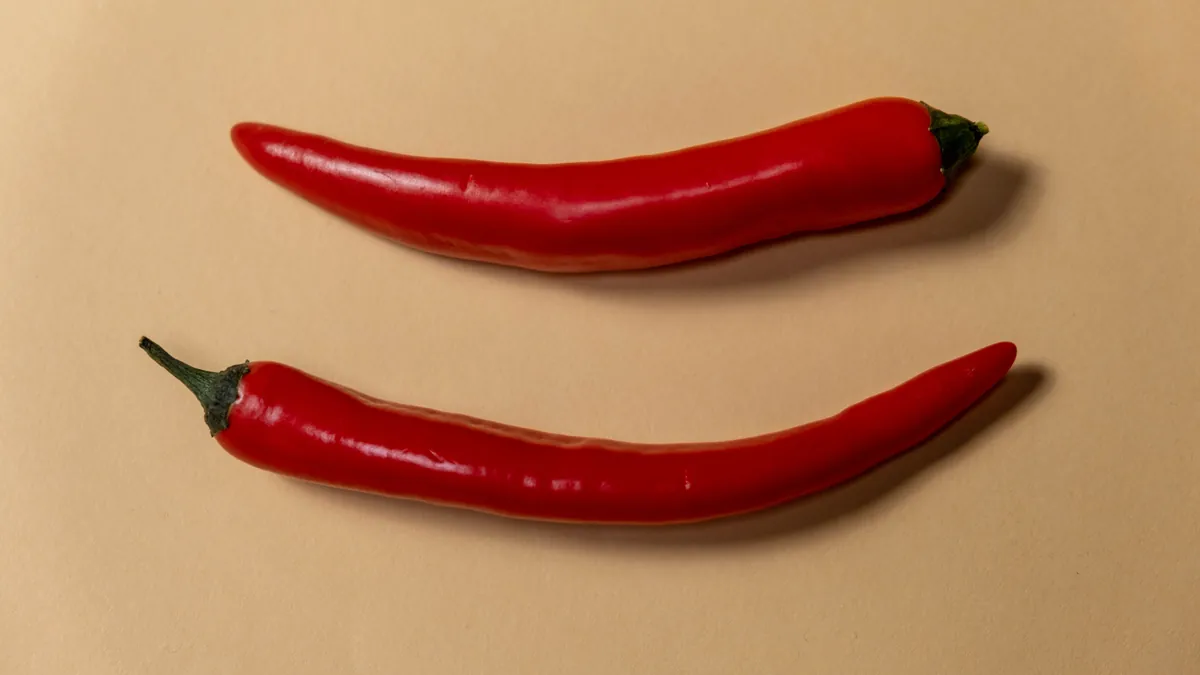
    Capsaicin is the compound that gives chili peppers their heat. It acts on a specific sensor on pain-sensing nerve endings called the TRPV1 receptor (transient receptor potential vanilloid 1). TRPV1 is the same sensor that responds to painful heat. That is why capsaicin truly feels hot.

    Low-dose capsaicin creams (0.025–0.075%) sold over the counter give mild, short relief. You have to apply them several times a day. The prescription 8% patch is in a different league. It is about a hundred times stronger. It is built to do something the creams cannot: defunctionalize the overactive pain fibers for a while.

    Defunctionalization: turning down an alarm that won’t stop

    In long-term neuropathy, the small C-fibers in the skin become overexcited. They fire pain signals nonstop, even with nothing touching them. The alarm is stuck on. A single, controlled 30-minute application of the 8% patch delivers enough capsaicin to overload those TRPV1 nerve endings. Then it quiets them, and the effect wears off in time. The nerve endings pull back and stop sending their runaway pain signals. Over the next weeks and months they slowly recover. Most important, controlled studies found this happens without degrading normal sensation. Patients could still feel sharp, warm, cold, and vibration.

    The treatment goes on the skin and does not travel through the body. So it avoids the sleepiness, dizziness, and brain fog that limit nerve-pain pills. The main side effect is short-lived burning and redness where the patch sits. That is why it is applied in the clinic, often with skin pre-treatment for comfort.

    Is the capsaicin 8% patch FDA-approved, and does it work?

    The 8% patch first won FDA approval in 2009 for postherpetic neuralgia (the nerve pain that lingers after shingles). In 2020, based on the key STEP trial led by Dr. David Simpson, the FDA widened approval to painful diabetic peripheral neuropathy of the feet. In STEP, a single 30-minute treatment gave a statistically significant drop in average daily pain compared with placebo. A separate 52-week study (PACE) showed that repeated treatments were well tolerated over a full year. Sensory function did not get worse.

    This is the honest headline. The patch reliably and safely reduces pain for a real share of patients. And it can be repeated about every three months.

    Does the capsaicin patch work after one treatment?

    One reason patients, and sometimes doctors, give up too soon is that they expect one patch to do everything. The data and clinical experience both suggest the benefit often builds across successive cycles. Each treatment quiets the overfiring fibers again and stretches the window of lower pain. This condition took years to develop. Expecting one application to fix it is not realistic. The protocol is built around repeated, spaced treatments.

    Can the capsaicin patch help nerves regrow?

    Here is where the science is truly exciting but not yet settled. Capsaicin makes nerve endings pull back and then regenerate. So researchers have asked whether repeated treatment might do more than relieve pain. Might it encourage healthier nerve growth back into the skin? In other words, could it be disease-modifying? A randomized trial in the United Kingdom is formally testing exactly this question in diabetic neuropathy.

    Until that kind of study reports, the responsible position is this. The 8% patch is proven for pain relief. Its potential to change the underlying nerve damage is a promising idea under active study. Regenerve’s approach uses the pain-relief window the patch creates as the base for the repair-focused steps that aim at the nerve itself. Those steps are orthobiologics and mitochondrial and metabolic support. As the protocol article covers, those regenerative pieces are themselves emerging and tailored to each person, not guaranteed.

    Who is a candidate for the capsaicin 8% patch?

    The patch is used for nerve pain in a defined area. Classic uses are the feet for diabetic neuropathy and the affected area for postherpetic neuralgia. Whether it fits you depends on a doctor’s look at where the pain sits, the condition of your skin, and your overall picture. Like any treatment, it works best as part of a plan that also treats the root causes of the neuropathy. It is not a standalone fix.

    Frequently asked questions

    Does the capsaicin patch cure neuropathy?

    No. It reduces nerve pain, often enough to notice and safely, and it can be repeated. It is not a cure. Whether it can reverse nerve damage is still under study.

    How is it different from capsaicin cream?

    The 8% patch is prescription-strength. It is applied once in the clinic for about 30 minutes. It is about 100 times stronger than over-the-counter creams.

    Does it hurt?

    There is short-lived burning and redness at the site during and just after application. It is applied under supervision, often with steps to improve comfort. It does not damage normal feeling.

    How often can it be repeated?

    About every three months. The benefit often builds over repeated treatments.

    What about that very high success rate I saw?

    Controlled trials show modest, significant relief. Higher figures reported by a clinic reflect its own real-world experience and its own definition of success. They are not the randomized-trial data, and should be read with that in mind.

    Does capsaicin help with nerve pain?

    Yes, and strength matters. Over-the-counter creams (0.025 to 0.075%) give mild, short relief, and you have to rub them in several times a day. The prescription 8% patch is about a hundred times stronger. One 30-minute application quiets the overfiring pain fibers for weeks to months. In the STEP trial it cut average daily pain compared with placebo.

    Can a capsaicin patch be used to treat neuropathy in the feet?

    Yes. The FDA approved the 8% capsaicin patch for nerve pain after shingles in 2009. It approved it for painful diabetic neuropathy of the feet in 2020. It is used for pain in a defined area, classically the feet. Whether it fits you depends on a doctor’s look at where the pain sits, the condition of your skin, and your overall picture.

    What is the most successful treatment for neuropathy?

    No single patch or pill does the whole job. The 8% capsaicin patch reliably reduces pain for a real share of patients, without the sleepiness and brain fog of nerve-pain pills. At Regenerve, that pain-relief window is the start, not the finish. The plan also goes after the root causes of the neuropathy. And it adds repair-focused steps aimed at the nerve itself.

    Key takeaways

    • The 8% capsaicin patch is FDA-approved for painful diabetic neuropathy of the feet (2020) and postherpetic neuralgia (2009).
    • It works by quieting overfiring TRPV1 pain fibers for a while. It does this without dulling normal feeling and without side effects through the body.
    • Trial evidence supports real but modest pain relief. The benefit often builds across repeated treatments.
    • Whether it can help nerves regenerate is a fair but still-unproven idea under study.
    • It works best inside a plan that also treats the root causes of the neuropathy.

    This article is educational and is not a substitute for evaluation, diagnosis, or treatment by a physician. Individual results vary. Do not start, stop, or change any treatment without consulting your physician. Take the free Nerve Damage Score or call (314) 886-5739 or text (314) 886-5902.

    References

    1. Simpson DM, Robinson-Papp J, Van J, et al. Capsaicin 8% patch in painful diabetic peripheral neuropathy: a randomized, double-blind, placebo-controlled study (STEP). J Pain. 2017;18(1):42–53.
    2. U.S. FDA. Qutenza (capsaicin) 8% topical system — approval for painful diabetic peripheral neuropathy of the feet. 2020; original PHN approval 2009.
    3. Vinik AI, et al. Capsaicin 8% patch repeat treatment plus standard of care in painful diabetic peripheral neuropathy: 52-week open-label safety study (PACE). BMC Neurol. 2016;16:251.
    4. Anand P, Bley K. Topical capsaicin for pain management: mechanisms of action of the 8% capsaicin patch. Br J Anaesth. 2011;107(4):490–502.
    5. Abrams RMC, et al. A critical review of the capsaicin 8% patch for diabetic peripheral neuropathy of the feet. Expert Rev Neurother. 2021.

    Find out what is driving your nerve pain

    The free, five-question Nerve Damage Score takes about two minutes and tells you which terrain failure is most likely behind your symptoms.

    Get My Free Nerve Damage Score Get Info

    Or call or text us.
  • Peripheral Neuropathy: The 11 Hidden Drivers Your Doctor Missed

    Peripheral Neuropathy: The 11 Hidden Drivers Your Doctor Missed

    The 11 hidden drivers of peripheral neuropathy fall into three domains. The metabolic drivers are blood sugar and glycation, intracellular nutritional deficiency, and functional B12 deficiency. The toxic drivers are heavy metals, mold and mycotoxins, neurotoxic medications, and alcohol. The mechanical or immune drivers are autoimmune disease, gluten sensitivity, chronic stealth infections, and mechanical compression.

    When a workup comes back inconclusive, many patients are told their neuropathy is “idiopathic”. That is medical language for cause unknown. But in a large share of these cases, the cause isn’t truly unknown. It simply hasn’t been looked for hard enough. Idiopathic is too often a clinical surrender, not a diagnosis. This page lays out the step-by-step search Dr. Padda uses to hunt down the real driver of nerve damage. It is organized into three domains: metabolic, toxic, and mechanical. That is because a nerve can die from many directions. Finding which one is the difference between managing symptoms forever and actually changing course.

    What does idiopathic neuropathy really mean?

    Studies of unexplained peripheral neuropathy keep finding the same thing. Give patients a full, structured workup, and a clear cause turns up in a substantial share of cases once labeled idiopathic. The American Academy of Neurology has guidance on how to evaluate distal symmetric polyneuropathy. It calls for a tiered lab workup precisely because targeted testing changes treatment. The point is not that every case has an easy answer. Some remain truly unexplained. But the label should be earned only after a real search.

    The three-domain framework below is a way to organize that search, so nothing obvious gets skipped.

    What metabolic problems cause peripheral neuropathy?

    Metabolic problems are the most common and most treatable causes of nerve damage. They share one final path: energy failure and chemical injury inside the nerve.

    1. Blood sugar and glycation. Diabetes is the leading cause of neuropathy worldwide. But the damage starts earlier than most people think. Research from the University of Utah (Drs. Smith and Singleton) helped show that even prediabetes is associated with small-fiber neuropathy. In prediabetes, blood sugar handling is impaired (impaired glucose tolerance) but never reaches the diabetes line. Blood sugar that stays high sticks to nerve proteins. That forms advanced glycation end-products through the Maillard reaction. Louis-Camille Maillard first described it in 1912. A standard fasting glucose can miss this entirely. Tests like HbA1c and a glucose tolerance test show far more. (Explored in depth in the glycation and blood-sugar pages.)

    2. Intracellular nutritional deficiency. Nerves need lots of cofactors (helper nutrients). Low levels of B1 (thiamine), B6, B12, folate, magnesium, and omega-3 fatty acids each impair nerve function. Each also cuts the energy made in the mitochondria (the cell’s power plants). Crucially, blood levels can look “normal” while the tissue is starved. That is why functional testing matters (see driver 3).

    3. Functional B12 deficiency. A serum B12 in the normal range does not rule out a shortage inside the cells. Functional markers, methylmalonic acid (MMA) and homocysteine, rise when B12 falls short at the tissue level. They catch shortages a standard B12 test misses. Untreated, low B12 causes a typical neuropathy (and can damage the spinal cord). Yet it is very correctable. (Covered fully in the B12 page.)

    Can toxins, alcohol, or medications cause peripheral neuropathy?

    If metabolic drivers are about deprivation, toxic drivers are about poisoning. These substances damage nerves directly or by draining the body’s defenses.

    4. Bioaccumulated heavy metals. Lead, arsenic, mercury, and thallium disrupt key enzymes. They also drain glutathione, the body’s master antioxidant. Exposure often comes from work or the environment. It builds up silently over years. Testing should be guided by a real history of exposure. And, importantly, patients should be steered away from unproven or aggressive “detox” schemes. Those can do more harm than good. (See the heavy-metals page.)

    5. Mold and mycotoxins. Mold in water-damaged buildings makes toxins. They can impair the cell’s power plants (mitochondrial function). They can also drive neuroinflammation (inflammation in the nerves). Sometimes this shows up as neuropathy paired with deep fatigue. This is a truly debated clinical area. It deserves a careful look at the evidence. It should not be waved off, and it should not be overdiagnosed. (See the mycotoxin page.)

    6. Neurotoxic medications. Some of the most common prescriptions can quietly harm nerve health. Statins can deplete CoQ10. Metformin, one of the most-prescribed diabetes drugs, can cause low B12 over time. Certain chemotherapy agents and antibiotics are directly neurotoxic (toxic to nerves). The answer is rarely to stop a needed drug. It is to monitor and replete the nutrients they affect. (See the statins-and-metformin page.)

    7. Alcohol. Alcohol is a double hit. Acetaldehyde and alcohol itself are directly toxic to nerves. And heavy use drains thiamine and other B vitamins. Recovery depends on cutting exposure and restoring nutrients. But for someone who is alcohol-dependent, stopping suddenly carries its own medical risks. It should be done with medical guidance. (See the alcohol page.)

    Can autoimmune disease, infection, or a pinched nerve cause neuropathy?

    The final domain covers physical and immune-driven injury. Here nerves get crushed, choked, or caught in the crossfire of the body’s own defenses.

    8. Autoimmune disease. Conditions like lupus, rheumatoid arthritis, and Sjögren’s damage nerves in two ways. One is vasculitis (inflammation of the small vessels feeding the nerve). The other is a direct antibody attack. Here the neuropathy is collateral damage from a body-wide disease. So treatment must control the underlying disease and address the nerve. (See the autoimmune page.)

    9. Gluten sensitivity. Even without celiac disease, gluten can trigger an immune response in the nervous system. Antibodies against transglutaminase-6 have been linked to neuropathy and cerebellar ataxia (loss of coordination). Dr. Marios Hadjivassiliou led this work. A negative celiac test does not rule this out. (See the two gluten pages.)

    10. Chronic stealth infections. Certain infections hide in nerve tissue. The varicella-zoster (shingles) virus lives in the dorsal root ganglia (nerve clusters beside the spine). It can reactivate to cause postherpetic neuralgia. Lyme and other germs can also produce neuropathy. (See the shingles page.)

    11. Mechanical compression. Sometimes it isn’t a metabolic disease at all. It’s a pinched nerve. Carpal tunnel syndrome, radiculopathy (sciatica), and other entrapments injure nerves. They reduce blood flow (ischemia). They strip the nerve’s coating in one spot (focal demyelination). Upton and McComas described double crush syndrome in 1973. It explains why a nerve already under metabolic stress is more vulnerable to a second, mechanical injury. So compression and metabolic disease often compound each other. (See the compression page.)

    Why one patient often has several drivers at once

    These categories are not mutually exclusive. Picture a person with prediabetes, a statin prescription, and a compressed nerve at the wrist. That person may have three drivers at once, each making the others worse. This is the practical reason a single-cause mindset fails. The workup has to be broad enough to catch combinations. And the treatment plan has to address all the active drivers, not just the most obvious one.

    What tests find the cause of peripheral neuropathy?

    A real root-cause search usually has several parts. It starts with a detailed history. That covers your job, exposures, diet, alcohol, medications, and family history. Next comes an expanded metabolic panel. That means glucose tolerance and HbA1c, not just fasting glucose. Then comes functional nutrient testing: MMA and homocysteine, thiamine, and magnesium. Targeted autoimmune and infection tests are added when the history points that way. Where relevant, nerve conduction studies or a skin biopsy show which fiber types are involved. The aim is to turn “idiopathic” into a named, addressable cause whenever the evidence allows.

    Frequently asked questions

    My tests were normal — does that mean there’s no cause?

    Not necessarily. Standard panels can miss functional deficiencies, like low B12 at the tissue level. They can also miss early blood sugar problems and toxic exposures. A broader, targeted workup often uncovers a driver that routine testing skips.

    For how a normal B12 result can hide a tissue-level deficiency, read Your “Normal” B12 May Be Lying: The Hidden Deficiency Driving Your Neuropathy.

    Can more than one thing be causing my neuropathy?

    Yes, and it’s common. Several drivers often exist together and make one another worse. That is why a complete evaluation matters.

    Is it too late if I’ve had neuropathy for years?

    Finding and removing an active driver can slow or halt progression at any stage. Some function may recover. Earlier is better. But a workup is worth doing no matter how long symptoms have been present.

    There is more on this in Can Peripheral Neuropathy Improve? What Is Realistic and What Is Not.

    Should I try a detox for heavy metals?

    Only under medical guidance, and only if testing and history justify it. Unproven chelation and “detox” protocols carry real risks. They should not be self-administered.

    For when metal testing and treatment are warranted, read The Slow Poison in Your Bloodstream: How Heavy Metals Damage Your Nervous System.

    What are the top 3 causes of neuropathy?

    Think of the causes in three groups. Metabolic drivers come first, led by blood sugar and glycation. They are the most common and the most treatable. Diabetes is the leading cause of neuropathy worldwide. Toxic drivers include heavy metals, mold toxins, some medications, and alcohol. Mechanical and immune drivers include autoimmune disease, gluten sensitivity, hidden infections, and a pinched nerve. Many patients have more than one.

    Can a vitamin deficiency cause peripheral neuropathy?

    Yes. Nerves depend on B1 (thiamine), B6, B12, folate, magnesium, and omega-3 fats. A shortage of any of them can impair nerve function. Blood levels can look normal while the tissue is starved. For B12, two markers catch a shortage that a standard B12 test misses: methylmalonic acid (MMA) and homocysteine. And B12 neuropathy is very correctable.

    What’s the best way to reverse neuropathy?

    Find the driver and remove it. A nerve keeps failing as long as the cause is active. That cause may be high blood sugar, a nutrient shortage, a toxin, an immune attack, or compression. Removing an active driver can slow or halt progression at any stage, and some function may recover. The earlier the cause is found, the more nerve there is to save.

    Key takeaways

    • “Idiopathic” often means the search was incomplete, not that no cause exists.
    • Nerve damage comes from metabolic, toxic, and mechanical drivers, often several at once.
    • Standard labs miss a lot. Functional B12 markers, glucose tolerance, and exposure-guided testing reveal more.
    • Double crush syndrome shows how metabolic and mechanical injuries compound each other.
    • The goal of the workup is to turn an unexplained neuropathy into a named, treatable one.

    This article is educational and is not a substitute for evaluation, diagnosis, or treatment by a physician. Individual results vary. Do not start, stop, or change any medication or treatment without consulting your physician. Take the free Nerve Damage Score or call (314) 886-5739 or text (314) 886-5902 to begin a root-cause evaluation.

    References

    1. England JD, Gronseth GS, Franklin G, et al. Distal symmetric polyneuropathy: a definition for clinical research (AAN/AANEM/AAPM&R). Neurology. 2005; and the AAN evaluation guidance, Neurology. 2009.
    2. Smith AG, Singleton JR. Impaired glucose tolerance and neuropathy. Neurologist / Diabetes Care (University of Utah body of work).
    3. Maillard LC. Action des acides aminés sur les sucres. C R Acad Sci. 1912.
    4. Brownlee M. Biochemistry and molecular cell biology of diabetic complications. Nature. 2001;414:813–820.
    5. Hadjivassiliou M, et al. Transglutaminase-6 antibodies and gluten-related neurological dysfunction. Neurology / Ann Neurol.
    6. Upton ARM, McComas AJ. The double crush in nerve-entrapment syndromes. Lancet. 1973;2(7825):359–362.

    Find out what is driving your nerve pain

    The free, five-question Nerve Damage Score takes about two minutes and tells you which terrain failure is most likely behind your symptoms.

    Get My Free Nerve Damage Score Get Info

    Or call or text us.
  • The Regenerve Protocol for Peripheral Neuropathy: Beyond Managing the Pain

    The Regenerve Protocol for Peripheral Neuropathy: Beyond Managing the Pain

    The Regenerve protocol for peripheral neuropathy starts from a different premise than the standard script. Burning, tingling, and numbness are not the disease. They are the alarm. The goal of treatment is to repair the terrain the nerves live in, not just to mute the signal they are sending.

    If you live with peripheral neuropathy, you already know that standard script. You get a prescription for gabapentin or pregabalin and a suggestion to control your blood sugar. Then you get a shrug when neither one gives your feet back to you. This article walks through the logic of that protocol and the science behind each stage. It also gives an honest account of what is established and what is less certain.

    Why doesn’t nerve pain medication stop neuropathy from getting worse?

    Most people are handed one of two drug types. One is the gabapentinoids (gabapentin, pregabalin). The other is certain antidepressants (duloxetine, amitriptyline). These drugs work by turning down pain signals in the nervous system. They are legitimate tools, and for many patients they take the edge off. But two facts are rarely explained at the pharmacy counter.

    First, the benefit is often partial. Across the nerve-pain research, only a minority of patients get substantial (50% or greater) pain relief from any single drug taken by mouth. Many stop because of side effects like sleepiness, dizziness, weight gain, and mental fog. Second — and more important — none of these drugs touch the process that is damaging the nerve. They quiet the alarm while the fire keeps burning. That is why patients so often describe climbing to the top dose and still waking at 3 a.m. with their feet on fire.

    The Regenerve premise is that lasting change requires addressing why the nerve is failing. Then you give it the conditions to recover.

    Metabolic sovereignty: treating the terrain, not just the nerve

    Dr. Gurpreet Singh Padda, MD, MBA, MHP, uses the phrase “metabolic sovereignty” to describe the core idea: your nerves cannot heal in a hostile environment. A nerve fiber is one of the most energy-hungry structures in the body. It must hold an electrical charge along its entire length. It must ship nutrients and mitochondria from the cell body out to the nerve endings. And it must keep repairing its insulating coat, the myelin. Starve it of oxygen, poison it with the byproducts of high blood sugar, or drain its energy supply, and it will misfire, pull back, and finally die back. That starts at the longest, most distant fibers, which is why symptoms begin in the toes and feet.

    So before any regenerative step makes sense, the terrain has to be assessed and corrected: blood sugar and glycation, micronutrient status, circulation, inflammatory drivers, and mechanical contributors. This is the diagnostic backbone that a companion article — “The 11 Hidden Drivers Your Doctor Missed” — explores in depth. The protocol below assumes that this root-cause work is happening in parallel; the regenerative tools are not a substitute for it.

    Stage one: can a capsaicin patch calm an overfiring nerve?

    A damaged nerve can get stuck on high alert (chronically hyperexcitable). Then it fires pain even when there is no real threat. One way to interrupt that is to “defunctionalize” the overactive pain fibers at the skin level using high-concentration capsaicin.

    The 8% capsaicin patch (marketed as Qutenza) is the most evidence-backed piece of this stage. It works on the TRPV1 receptor — the same receptor that makes chili peppers feel hot. That receptor sits on the small pain-sensing C-fibers in the skin. A single controlled application first overstimulates those endings. It then reversibly “switches off” those endings, cutting their pain signaling for weeks to months. This is not folk medicine. The U.S. FDA approved the 8% capsaicin patch for postherpetic neuralgia in 2009. After the pivotal STEP trial led by Dr. David Simpson, it approved it for painful diabetic peripheral neuropathy of the feet in 2020. In the controlled data, one 30-minute treatment led to modest but statistically significant drops in daily pain. The main side effect was temporary burning where it was applied. And — importantly — patients did not lose any ability to sense sharp, warm, cold, or vibration stimuli. A separate 52-week safety study (PACE) backed repeated treatment with no harm to function and no neurological (nerve) harm.

    An honest caveat belongs here, because this is where marketing often overreaches. The established benefit of capsaicin is pain relief, not proven nerve regrowth. Can repeated capsaicin treatment help damaged nerve fibers actually regenerate? That is a real science question now under formal study. One example is a randomized disease-modification trial out of Cambridge. It is not a settled fact. Regenerve uses capsaicin to open a window. In it, there is less pain and less overactivity in the pain-sensing nerves (nociceptors). In that window, the repair-focused steps have room to work.

    Stage two: can PRP or bone marrow concentrate support nerve repair?

    Once the fire is calmer and the terrain is being corrected, the protocol turns to helping the tissue rebuild. This is where orthobiologics come in. These are biological materials meant to deliver growth factors and signaling molecules to injured tissue. In the Regenerve protocol they include platelet-rich plasma (PRP) and bone marrow aspirate concentrate (BMAC). Both come from the patient’s own blood or marrow.

    The reasoning rests on real biology. Platelets are packed with growth factors. They include nerve growth factor and brain-derived neurotrophic factor. They also include vascular endothelial growth factor and platelet-derived growth factor. They direct healing and angiogenesis (growth of new blood vessels). In laboratory and animal models, they also direct peripheral nerve regeneration. BMAC also supplies a group of mesenchymal cells that can modulate (adjust) inflammation.

    Here honesty is essential, and Regenerve’s material is careful about it. PRP and BMAC for peripheral nerve repair are offered as part of an individualized plan. The strongest evidence so far comes from preclinical models and small clinical series, not large randomized trials. Told honestly, they are a treatment made from the patient’s own body and based on how tissue heals. They show encouraging early signals, and the evidence is incomplete. That is exactly why they belong in a doctor-directed plan built for each person, with realistic expectations. They are not a one-size-fits-all promise.

    Stage three: why do damaged nerves need working mitochondria?

    Even a nerve that is whole cannot work if its mitochondria are failing. Mitochondria are the power plants inside each cell. Chronic hyperglycemia (long-term high blood sugar), toxins, and low nutrients all end in the same place: mitochondria that fail (mitochondrial dysfunction). Dr. Michael Brownlee’s landmark work found one common thread behind the tissue damage of diabetes. It is overproduction of mitochondrial superoxide, a harmful form of oxygen. Repairing the wiring without restoring the power supply leaves the job half done.

    So the protocol includes mitochondrial support. At one end is well-established replacement of the helper nutrients (cofactors) nerves depend on. These include the B vitamins, alpha-lipoic acid, and CoQ10. At the other end are more advanced, targeted agents. SS-31 (elamipretide) is a mitochondria-targeted peptide. It is designed to steady cardiolipin, a fat in the inner mitochondrial membrane, and to improve energy production. It is a real compound under active study. This layer of support mixes proven nutrition science with newer targeted tools, chosen case by case.

    Why sequence matters

    The order is deliberate. Correcting the terrain first means the body is no longer actively re-injuring the nerve. Calming the overfiring pain fibers next opens a period of less pain and less chaos in the pain-sensing nerves. Repair signals and restored mitochondrial energy come last. They give the nerve both the instructions and the fuel to recover during that window. Reverse the order — try to “regenerate” a nerve that is still being starved and glycated every day — and you are building on sand.

    How long does peripheral neuropathy treatment take to work?

    Peripheral nerves repair slowly, about a millimeter a day at best. So this is a months-long process measured in gradual change, not an overnight fix. A realistic plan begins with evaluation and testing to map which drivers are active. It sets expectations honestly and adjusts over time based on response. Some patients see meaningful improvement. Results vary by person and by how advanced the nerve loss is at the start. The earlier the terrain is corrected, the more nerve there is to save.

    Frequently asked questions

    Is the Regenerve protocol a cure for neuropathy?

    No responsible clinician promises a cure for nerve damage. The protocol aims to stop ongoing injury, reduce pain, and create conditions that support repair. Outcomes vary, and advanced nerve loss may only partly recover.

    Do I stop my gabapentin or other medications?

    Never stop a prescribed medication on your own. These drugs can be valuable for pain control while the underlying terrain is addressed. Any changes are made only with your physician.

    Is capsaicin the same as the cream at the drugstore?

    No. The 8% patch is a prescription-strength treatment given in the office. It is roughly 100 times stronger than capsaicin creams sold in stores. It is put on under a doctor’s watch (medical supervision).

    Are PRP, BMAC, and SS-31 proven for neuropathy?

    They are driven by mechanism and, in the case of PRP/BMAC, come from your own body. They are offered as part of an individualized, physician-directed plan, not as guaranteed therapies.

    How do you stop peripheral neuropathy from progressing?

    Stop the ongoing injury first. A nerve fails when it is starved of oxygen, poisoned by the byproducts of high blood sugar, or drained of energy. So the first step is to assess and correct blood sugar and glycation, micronutrient status, and circulation. The same goes for inflammatory drivers and mechanical contributors. Once the body is no longer re-injuring the nerve every day, the repair steps have something to build on.

    What is the best thing for peripheral neuropathy?

    The best results come from doing things in the right order. Correct the terrain so the nerve stops being damaged. Then calm the overfiring pain fibers, for example with the 8% capsaicin patch. Then support repair and restore the nerve’s energy supply. Trying to regenerate a nerve that is still being starved and glycated every day is building on sand.

    What’s the worst thing for neuropathy?

    Anything that keeps injuring the nerve while you only treat the pain. A nerve fiber is one of the most energy-hungry structures in the body. Cut off its oxygen, flood it with the byproducts of high blood sugar, or drain its energy supply, and it misfires, retracts, and dies back from the toes up. Masking the pain while that continues lets the damage keep going.

    Key takeaways

    • Standard drugs mute the pain signal but do not repair the nerve. Partial relief and side effects are common.
    • The Regenerve protocol treats the terrain first. Then it calms overfiring nerves. Then it supports structural and mitochondrial repair.
    • The 8% capsaicin patch is FDA-approved for painful diabetic neuropathy of the feet. It gives real, if modest, pain relief. Nerve-regrowth claims are still under study.
    • Orthobiologics (PRP, BMAC) and mitochondrial peptides (SS-31) make sense in biology. They belong in a plan built for each person (an individualized plan).
    • Nerve repair is slow. Acting early saves more function.

    This article is educational and is not a substitute for evaluation, diagnosis, or treatment by a physician. Individual results vary. Do not start, stop, or change any medication or treatment without consulting your physician. Ready to start? Take the free Nerve Damage Score or call (314) 886-5739 or text (314) 886-5902.

    References

    1. Brownlee M. Biochemistry and molecular cell biology of diabetic complications. Nature. 2001;414:813–820.
    2. Simpson DM, Robinson-Papp J, Van J, et al. Capsaicin 8% patch in painful diabetic peripheral neuropathy: a randomized, double-blind, placebo-controlled study (STEP). J Pain. 2017;18(1):42–53.
    3. U.S. FDA. Qutenza (capsaicin) 8% topical system — approval for neuropathic pain associated with diabetic peripheral neuropathy of the feet. 2020.
    4. Vinik AI, et al. Capsaicin 8% patch repeat treatment plus standard of care in painful diabetic peripheral neuropathy: 52-week open-label safety study (PACE). BMC Neurol. 2016;16:251.
    5. Anand P, Bley K. Topical capsaicin for pain management: therapeutic potential and mechanisms of action of the 8% capsaicin patch. Br J Anaesth. 2011;107(4):490–502.
    6. Sánchez M, et al. Platelet-rich plasma and peripheral nerve regeneration (review of preclinical and early clinical evidence).
    7. Szeto HH. First-in-class cardiolipin-protective compound (SS-31/elamipretide) as a therapeutic agent for mitochondrial dysfunction. Br J Pharmacol. 2014.

    Find out what is driving your nerve pain

    The free, five-question Nerve Damage Score takes about two minutes and tells you which terrain failure is most likely behind your symptoms.

    Get My Free Nerve Damage Score Get Info

    Or call or text us.