
Chronic care management for neuropathy is a monthly check-in from the Regenerve care team in St. Louis, done by phone, video or patient portal between your office visits. It watches the four things that move nerve damage in either direction from one month to the next: your blood sugar, your feet, your balance and your sleep.
Nerves heal on a slow clock, and they get hurt on a fast one. A week of high sugars, a blister you never felt, a stumble on the basement stairs: none of it waits for your next appointment. A monthly call means someone on your team hears about it while it is still small.
Why blood sugar matters every single week
Sugar that stays high sticks to the proteins in a nerve and in the tiny blood vessels that feed it, and a starved nerve fiber fires wrong or goes quiet. Insulin that runs high feeds the inflammation around the nerve as well. Neither one shows up as a symptom on the day it happens. That is why the numbers matter more than how you feel this afternoon.
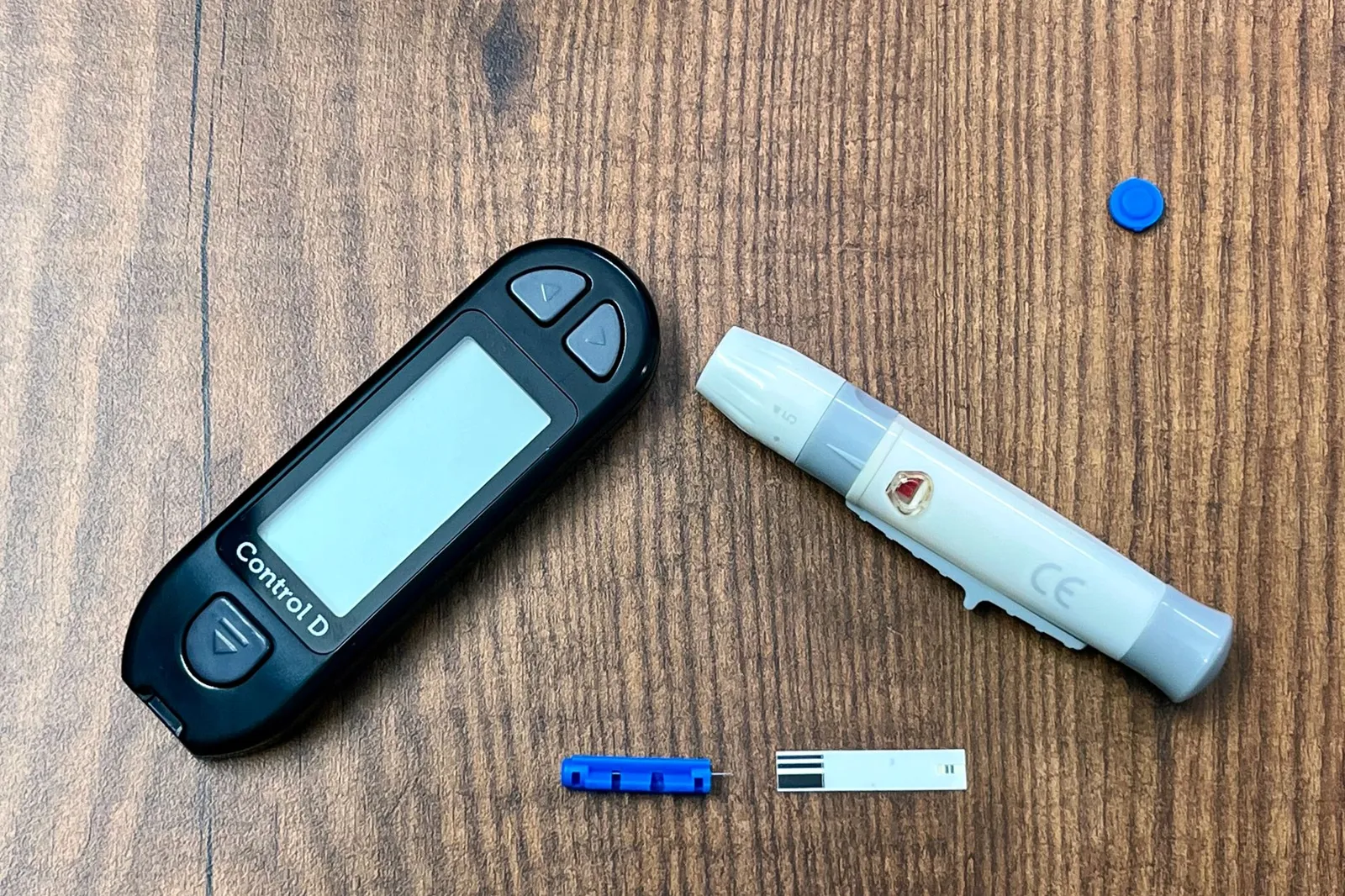
Some numbers can be checked at home: glucose, blood pressure, weight. When your plan leans on one of them, your physician may send you home with a meter or cuff that uploads every reading without you lifting a pen. A team member scans the uploads on fixed days, flags anything outside your range to the physician before the day is out, and talks the trend through with you at least monthly. The name for this is remote patient monitoring. Our guide to blood sugar and nerve damage explains why ordinary lab work can miss the problem, and how to lower carbs safely with neuropathy covers the pace.
Feet you cannot feel need eyes every day
When the protective sensation in your feet fades, a pebble in a shoe or a seam that rubs can open a sore you never notice. Healing is slow in a foot with poor circulation, so a small wound can become a serious one. The daily check takes two minutes: tops, soles, between the toes, with a mirror or a family member if you cannot bend that far.
The monthly call asks about it every time. Any redness, blister or open spot goes to your physician that day. Read footwear and foot care for neuropathy and how to prevent a foot ulcer for the routine.
Falls start long before the fall
Your brain keeps you upright partly by reading signals from the soles of your feet. When those signals fade, balance leans harder on your eyes and your inner ear, which is why the dark hallway and the uneven curb become dangerous. Some medicines for nerve pain add dizziness on top. Near-misses are the early warning, and people rarely mention them unless someone asks.
So your care manager asks. Have you tripped, grabbed a wall, or stopped going somewhere because the ground feels unsure? Your answers go into the plan, and any change to a medicine is your physician’s decision alone. See neuropathy, balance problems and falls.
Burning feet at 2 a.m. wreck the next day
Neuropathic burning often peaks at night, when nothing else competes for the brain’s attention. Broken sleep then lowers your pain threshold, raises the next day’s blood sugar and drags down mood, which makes the following night worse. So the night matters as much as the day. Regenerve patients can work with the practice’s own psychologist, who uses Acceptance and Commitment Therapy to loosen pain’s grip on sleep and mood and checks back every month. More on how neuropathy disrupts sleep.
Who joins, and what it involves
Neuropathy almost never shows up by itself. Diabetes or prediabetes, high blood pressure, poor circulation, extra pounds, depression and sleep apnea tend to arrive with it, and anyone carrying two or more lasting conditions like these can enroll. A person with a single serious condition gets a narrower version built around it.
Your first step is an appointment with the physician who treats your nerves. Say yes in person or sign, and leave with goals you picked, maybe walking to the mailbox without a cane or sleeping six straight hours. From then on a nurse or medical assistant handles the monthly contact, the physician reads every note, forms and lab chasing land with the care manager, and medication changes stay with the physician alone. Office visits run on their usual calendar.
Expect a monthly insurance claim, just as with your other care, and possibly a copay or coinsurance depending on your plan; we run the numbers with you ahead of time. Because only a single practice may hold this role for you in any month, let us know if a different office already phones you each month. Opting out is allowed whenever you choose.
Monthly calls and home readings are not for emergencies. Dial 911 for chest pain, collapsing, struggling to breathe or a face or arm that suddenly goes weak, and also if you are so drowsy that someone can barely rouse you.
Talk to us about care between visits
Ask at your next visit, or reach the office to find out whether monthly chronic care management fits your neuropathy plan.
Questions patients ask about chronic care management for neuropathy
Do I have to come in each month?
No. Contact happens over the phone, on video or in the portal, and readings upload by themselves. Treatments and appointments stay on their usual calendar. To prepare for those visits, use our neuropathy evaluation checklist.
Can the care manager change my gabapentin or diabetes medicine?
No. The care manager passes what you report to your physician, who decides whether anything changes. Never stop a nerve medicine on your own. See what the evidence shows for gabapentin and pregabalin.
Who handles refills?
Call the office Monday through Friday. Refill requests are not handled after hours. Office hours and directions are on our contact page.