
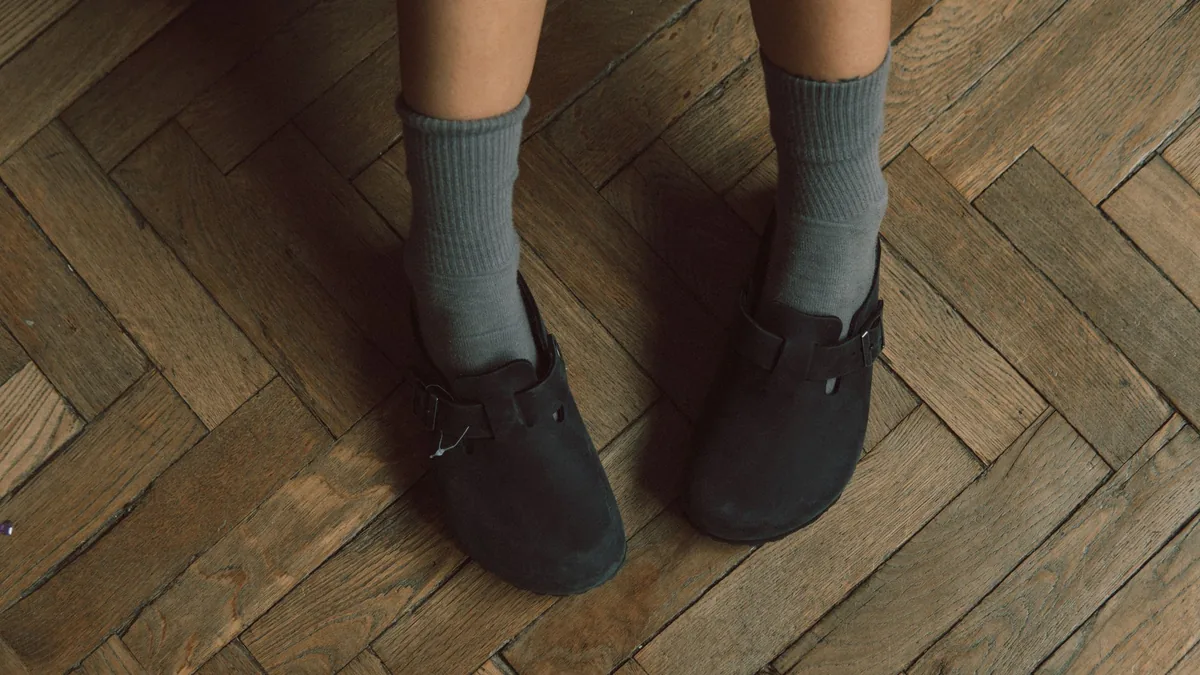
If neuropathy balance problems are making you unsteady and raising your falls risk, the useful next step is to find which cause is damaging your nerves. It may be metabolic, nutritional, autoimmune, toxic, or structural. Then match testing and rehab to that cause. Balance depends on accurate feeling coming back from your feet. When that signal fades, ordinary walking gets harder to control. Mapping the cause first is what keeps a falls-prevention plan from turning into guesswork.
Falls are the leading cause of injury for adults ages 65 years and older in the United States. More than 14 million of those older adults, about 1 in 4, report falling every year.1 Neuropathy is one of the reasons that number stays high.
What we look at first
- Which driver is active. Different causes create different failure patterns, so the plan changes with the cause.
- Metabolic and microvascular strain. When less oxygen reaches the small vessels that feed a nerve, its signals become less reliable.
- Nutritional contributors. Vitamin-related drivers, including B12, can affect both sensation and coordination.
- Toxic and environmental exposures. Heavy metals and other exposures can injure nerves apart from blood sugar.
- Objective testing rather than assumption. We do electrodiagnostic testing (EMG/NCS) on site. It can clarify the nerve pattern.
- Function, not just pain. Steadiness while walking, turning, and stepping down is the result that matters for falls.
Why does neuropathy cause balance problems?
Balance uses several systems at once: feeling from the feet, muscle control, vision, and signals from the inner ear. When peripheral neuropathy dulls that feedback, the brain loses part of its information about how the foot meets the ground.
Many neuropathy causes also injure the fibers that help with timing. That is why unsteadiness in neuropathy is usually not simple weakness. It is the nervous system misreading the ground in real time.
The wiring problem behind numbness and unsteady stepping
Medicine that quiets the signal does not repair the wiring. The alarm keeps ringing because the real problem is still going on. Walking is the moment in the day when that error shows itself.
This is especially true in diabetic peripheral neuropathy. It behaves as a tiny-vessel and metabolic problem that happens to show up in the feet. When blood flow drops, nerves work with less oxygen and send less reliable signals.
How does numbness in the feet lead to falls?
If protective feeling is dulled, a foot can feel normal while pressure, temperature, and position information are all degraded. That mismatch is what turns a small stumble into a fall.
So the goal of treating numbness is not only less burning. It is more accurate information reaching the brain while you walk.
What causes the nerve damage behind balance problems?
Neuropathy is a category, not a diagnosis. Naming the specific cause is what decides which tests are worth doing and what treatment should target.
Diabetic and metabolic drivers
Diabetic neuropathy is rarely a feet-only problem. It usually combines less tiny-vessel blood flow with metabolic damage that affects both nerve function and the coordination of stepping.
A systematic review and meta-analysis published in 2025 pooled 32 studies covering 23,666 older adults with diabetes. It found that 29.5% of that group had fallen.2 That is the group in which a talk about balance should start early, not after an injury.
Nutritional drivers, including B12
Vitamin B12 deficiency can affect both feeling and coordination, and it can make burning or numbness worse. When a nutrition cause is present, unsteadiness can get worse faster than the pain does.
That is why diet, digestion, and lab results belong in the workup. Treating the symptom while the cause keeps running does not change the course.
Autoimmune, toxic, and treatment-related contributors
Immune-driven processes can make nerve signals more erratic. That shows up when you change pace, step off a curb, or turn quickly. Chemotherapy is a well-known cause of nerve injury that causes both loss of feeling and timing problems.
Toxic and environmental exposures can damage nerves and small vessels as well. When the exposure history fits, it belongs in the cause map with everything else. Several of these are covered in our review of the neuropathy drivers that are most often missed.
When the label says idiopathic
“Idiopathic” does not mean no cause. It often means the workup did not find the active one. Mixed cases are common, such as metabolic plus nutritional, or autoimmune plus structural.
If you have been told nothing can be done about the cause, that is a reason to recheck the cause map, not a reason to stop.
How are neuropathy balance problems tested?
When someone comes in worried about falling, the first question is not which medicine they take. It is which cause is active, and what failure of function it is causing.
On-site electrodiagnostic testing
We do electrodiagnostic testing (EMG/NCS) on site at Regenerve. It can help show which nerves are involved and what pattern is present. Those findings guide decisions, so the plan does not rest on a symptom description alone.
VNG balance testing is diagnostic, not a treatment
VNG (videonystagmography) checks inner-ear balance. It is a test, never a treatment. Its value here is separating an inner-ear cause from a nerve cause.
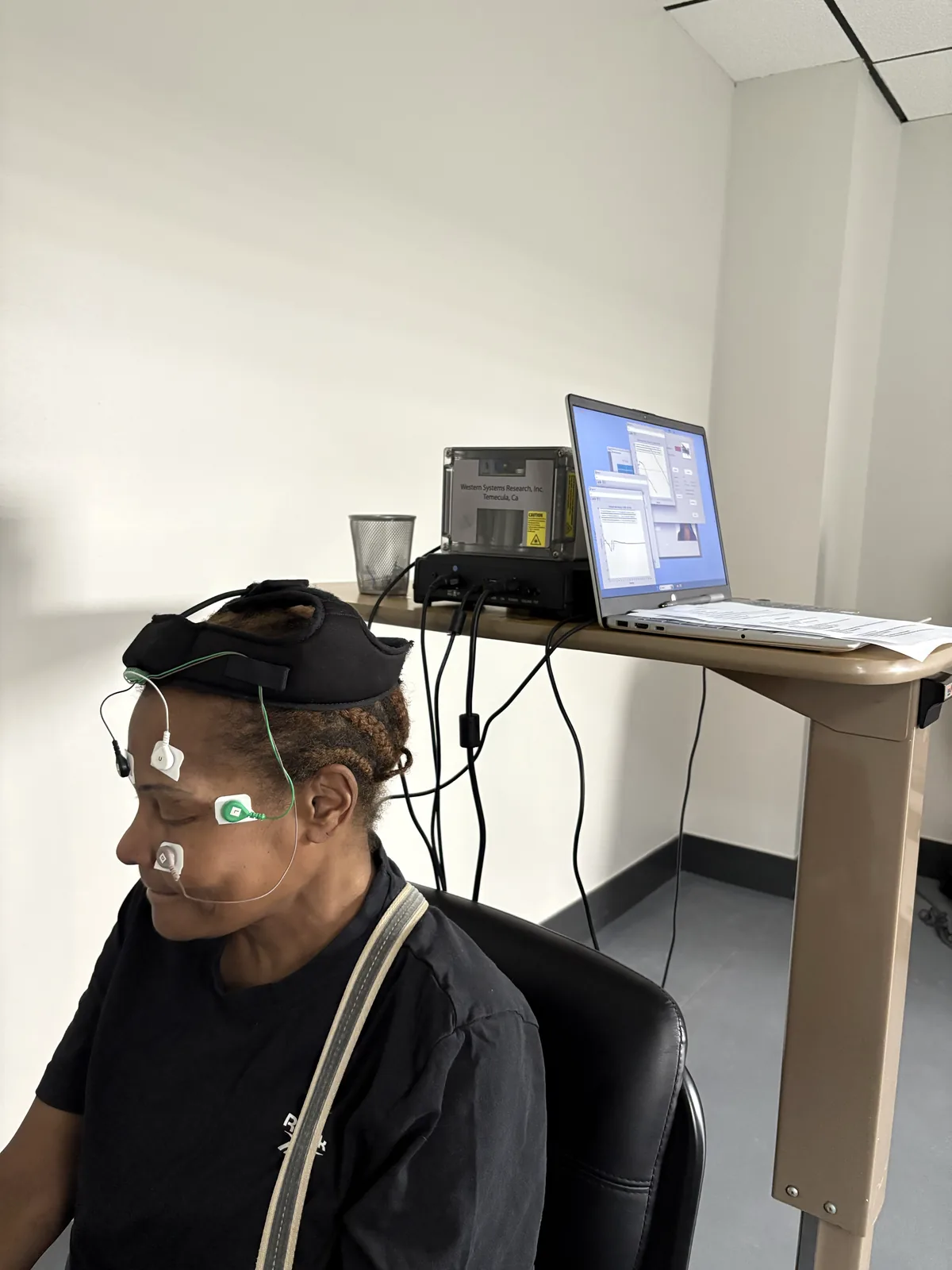
Unsteadiness often has more than one cause in older adults. That separation is what keeps the plan from targeting the wrong system.
Small-fiber and autonomic contributors
Small fiber damage can cause burning and hot-coal feelings. It can also affect autonomic function, the body’s automatic controls. When those signals are involved, blood pressure control can shift. That changes how steady you are when standing and turning.
How treatment and rehabilitation fit together
Treatment has to do two things at once. It has to cut the injury still being done to the nerve. And it has to support the function that keeps you upright.
In-clinic modalities
Class 4 photobiomodulation, class 3B cold laser, and whole-body infrared are offered in clinic as part of a wider, cause-based plan. We do not present them as nerve regeneration, reversal, or a cure. We do not publish a success rate for them.
Orthobiologic injections and the honest framing
Orthobiologic injections (PRP and BMAC) are offered here. Nothing about them should be described as a repair of nerve injury.
Metabolic and nutritional care matched to the driver
Metabolic and nutrition care is built around whichever cause is active. That is why the same symptom can lead to two different plans. The point is to stop the ongoing injury while we work on function.
How can you lower your risk of falling with neuropathy?
- Remove trip hazards and keep lighting consistent, especially on the route you walk at night.
- Wear supportive shoes and avoid going barefoot when protective feeling is dulled.
- Slow down your turns and changes in position, especially when standing up from sitting.
- Check your feet often, since dulled feeling means an injury may not make itself known.
Where we are and how to start
Regenerve is located at 4477 Woodson Rd #104, St. Louis, MO 63134, minutes from St. Louis Lambert International Airport, and we see patients from across the St. Louis region, Missouri and Illinois. You can call (314) 886-5739 or text (314) 886-5902, or email info@regenerve.com.
The free Nerve Damage Score is a five-question starting point. It helps sort out the cause question before your visit. Bring the result with you, and we will build the workup around it.
Family members who help at home will find practical steps in our caregiver guide to peripheral neuropathy.
Frequently asked questions
Can balance problems from neuropathy be caused by something other than diabetes?
Yes. Balance trouble can follow a nutrition cause, an autoimmune process, a toxic exposure, chemotherapy, or a structural problem. More than one can be active at once. That is why we map the cause instead of assuming diabetes is the only one. See how a “normal” B12 can still be a driver.
Does VNG balance testing treat my dizziness?
No. VNG (videonystagmography) is a test of inner-ear balance, not a treatment. It is useful when you have both numbness and dizziness. It helps separate an inner-ear cause from a nerve cause. See what VNG balance testing measures.
Can class 4 photobiomodulation or cold laser fix my balance?
Neither is a balance treatment, and we do not present them as nerve regeneration or reversal. They are in-clinic treatments we may use alongside cause-based metabolic and nutrition care. Any balance benefit would come from the overall plan, not the device. See the treatments we offer.
I have burning feet at night as well as unsteadiness. Are those related?
They can be. Burning and dulled feeling both come from the same nerve terrain. Small-fiber damage can also affect the automatic control of blood pressure. That changes how steady you feel when you stand or turn. See small fiber neuropathy symptoms and testing.
I was told my neuropathy is idiopathic. Is there anything left to check?
Often yes. “Idiopathic” means no cause was found, not that no cause exists. Mixed cases are common. We reopen the cause map so the balance plan is built on a cause, not a label. See the drivers that are commonly missed.
Can neuropathy affect your ability to walk?
Yes. Walking depends on accurate feeling from your feet. Neuropathy dulls that signal, so the brain misreads how the foot meets the ground. The trouble usually shows up when you turn, change pace, step down or step off a curb. When small fibers affect blood pressure control, standing up and turning can feel less steady too.
Why do I feel off balance but not dizzy?
Balance draws on feeling from the feet, muscle control, vision and the inner ear. Neuropathy can take away part of the foot signal without causing any spinning. So you feel unsteady, not dizzy. When both are present, VNG testing of the inner ear helps separate an inner-ear cause from a nerve cause, so the plan targets the right system.
What is the best thing to do about neuropathy and balance?
Find out which cause is damaging the nerves first: metabolic, nutritional, autoimmune, toxic or structural. That decides which tests are worth doing and what treatment should target. In the meantime, remove trip hazards and keep lighting steady on your night route. Wear supportive shoes instead of going barefoot. Slow your turns and check your feet often.
Sources
- Centers for Disease Control and Prevention. Older Adult Falls Data. https://www.cdc.gov/falls/data-research/index.html (falls as the leading cause of injury, and more than 14 million adults ages 65 and older in the United States reporting a fall each year).
- Journal of the American Medical Directors Association. Prevalence and Risk Factors for Falls in Older Adults With Diabetes: A Systematic Review and Meta-Analysis. 2025. https://www.jamda.com/article/S1525-8610(25)00529-8/fulltext (pooled falls prevalence of 29.5% across 32 studies and 23,666 older adults with diabetes).