
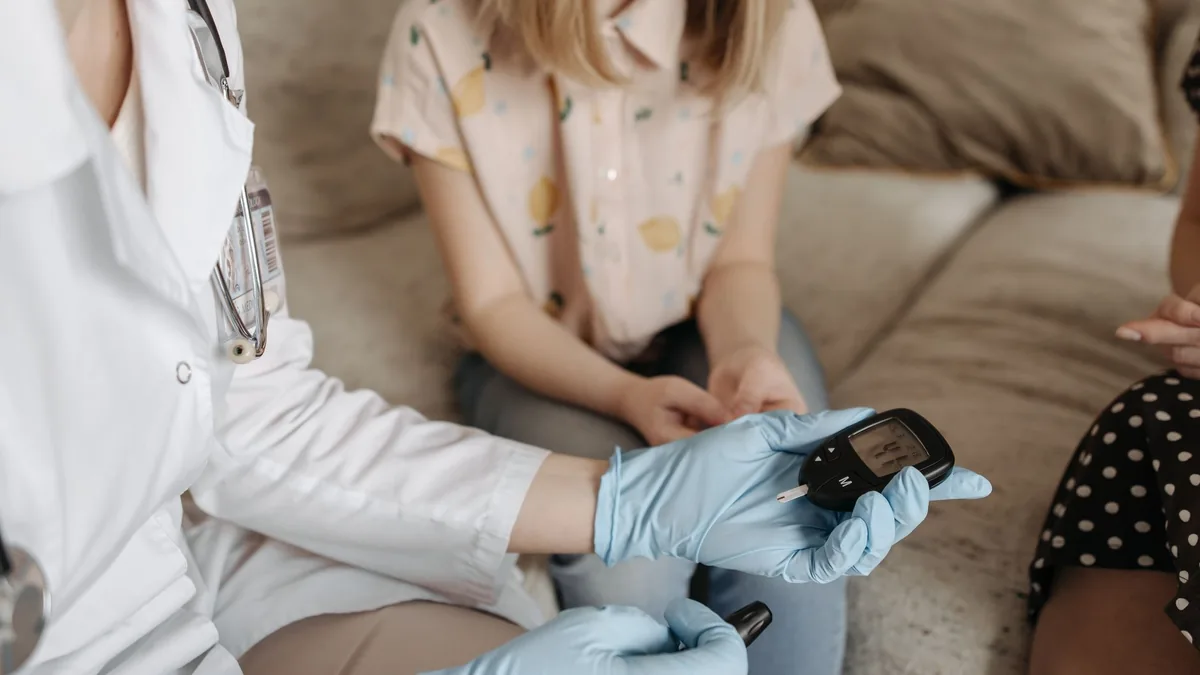
The Qutenza capsaicin 8% patch itself stays on for 60 minutes if you are being treated for postherpetic neuralgia. It stays on for 30 minutes if it is being applied to the feet for diabetic peripheral neuropathy.1 Around that, expect skin marking and prep, and an optional numbing cream (topical anesthetic) beforehand. Your blood pressure is also checked during and after the application. The whole visit runs a good deal longer than the patch time.
Qutenza is applied by a clinician in the office. The label states plainly that it is not to be dispensed to patients for self-administration or handling, and that only physicians or health care professionals are to administer it.1
What is Qutenza approved for?
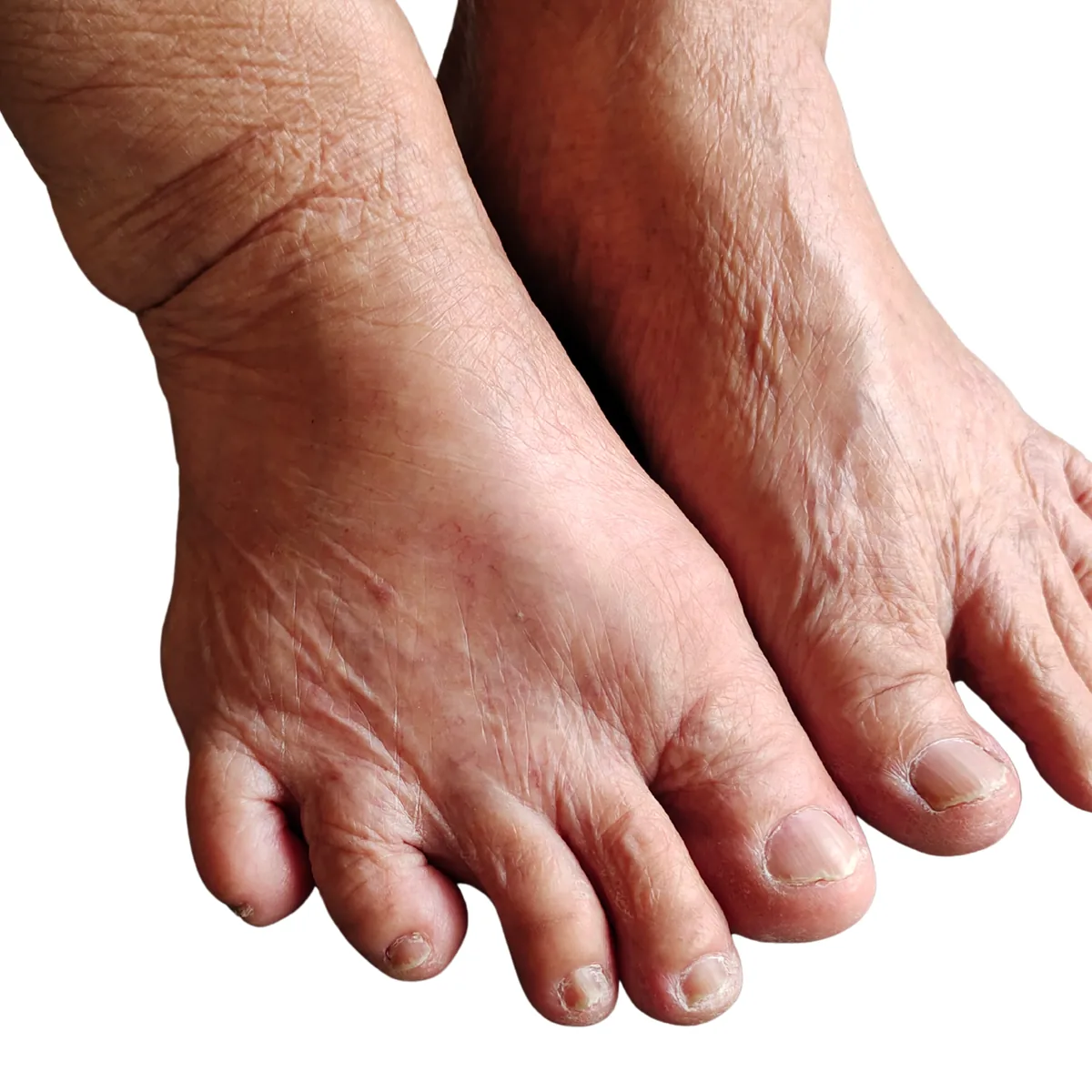
Qutenza is indicated in adults for the treatment of neuropathic pain associated with postherpetic neuralgia and for neuropathic pain associated with diabetic peripheral neuropathy of the feet.1 It is a TRPV1 channel agonist. It is not a general-purpose neuropathy patch.
Why the driver is established before the patch is considered
Peripheral neuropathy is mainly diagnosed clinically. That means through your history and a neurological check of small fiber feeling, large fiber feeling and ulcer risk.2 Neuropathy is a category, not a diagnosis. So the first part of the visit finds which driver is causing your pain. It also checks whether the pattern matches an approved indication (approved use).
Regenerve performs electrodiagnostic testing (EMG/NCS) on site. Nerve conduction studies are indicated when there are atypical (unusual) clinical features. Examples are fast symptom onset, severe neuromotor impairment (major loss of nerve-driven muscle control) or feeling that is abnormal on one side more than the other.2 If your history includes shingles, the background is on our page about postherpetic neuralgia and shingles nerve pain.
Want to learn more about nerve pain and the treatments we use? Get our neuropathy video series by email.
Before the patch: marking, preparation and the optional anesthetic
A physician finds the treatment area and marks it on the skin. That is the painful area, including spots of hypersensitivity and allodynia (pain from a light touch).1 Hair may be clipped, not shaved, to help the patch stick. The area is washed with mild soap and water and dried well.1
Pretreatment with a topical anesthetic is optional under the label. When it is used, it goes on the whole treatment area plus 1 to 2 cm around it. It stays on until the skin is numb (anesthetized). Then it is wiped off, and the area is washed again before the patch goes on.1 There is no fixed numbing time. It runs until the skin is ready.
What to bring
- Your current medication list, including pain medicines and supplements.
- Any history of reaction to topical agents.
- Your blood pressure history, especially if it is unstable or poorly controlled.
What happens during a Qutenza treatment?
The patch is placed on the marked area and smoothed onto the skin. For diabetic peripheral neuropathy, it can be wrapped around the top, sides and sole of each foot (dorsal, lateral and plantar surfaces). That way it covers the treatment area completely.1 A dressing such as rolled gauze may be used to keep it in contact. You are asked not to touch the patch or the treated area.
The recommended dose is up to four topical systems: 60 minutes for postherpetic neuralgia, 30 minutes on the feet for diabetic peripheral neuropathy.1
How painful is Qutenza?
Expect burning and warmth in the treated area. The label is direct about this: even after a local anesthetic is used, patients may experience substantial procedural pain and burning during application and after removal, and clinicians are told to be prepared to treat that acute pain with local cooling or appropriate analgesic medication.1
If you feel dizzy or otherwise unwell during the application, tell the clinician right away. Do not wait for the timer to finish.
Blood pressure monitoring
In clinical trials, transient increases in blood pressure occurred during or shortly after exposure to Qutenza. The changes averaged less than 10 mm Hg, though some patients had larger increases, and the changes lasted approximately two hours after removal.1 That is why blood pressure is checked from time to time during and after the procedure.
Application-site reactions
Across all controlled clinical trials, the most common adverse reactions occurring in at least 5% of treated patients and more often than in controls were application site erythema, application site pain and application site pruritus.1 In the postherpetic neuralgia trials, application site erythema occurred in 63% of patients treated with Qutenza compared with 54% of controls, and application site pain in 42% compared with 21%.1
What happens after the Qutenza patch comes off?
The patch is removed slowly by rolling it inward, and cleansing gel is applied to the treated area and wiped off with dry gauze. Patients are advised that the treated area may be sensitive for a few days to heat — hot showers or baths, direct sunlight and vigorous exercise.1
Contact the clinic if you develop anything beyond expected local sensitivity. The label carries specific warnings about severe application site burns and about reductions in sensory function, which are generally minor and temporary but are assessed before each subsequent application.1
How often can you get a Qutenza treatment?
Treatment may be repeated every three months, or as warranted by the return of pain, and not more frequently than every three months.1 That is a limit on how often, not a promise about how long relief lasts. How long any one patient goes between applications varies.
Where the patch sits in a larger plan
Qutenza acts locally on the pain signal in the treated skin. It does not address whatever is injuring the nerve. That is why the application is scheduled alongside driver-directed work, not instead of it.
At Regenerve, that work can include class 4 photobiomodulation, class 3B cold laser, whole-body infrared, and metabolic and nutritional care. Each is chosen to match the driver found during the evaluation. Orthobiologic injections (PRP and BMAC) are offered. When balance or dizziness is part of the picture, VNG (videonystagmography) may be used. It is a diagnostic test of inner-ear balance function. It is not a treatment.
Patch specifications
Each Qutenza topical system is 14 cm x 20 cm (280 cm²) and contains 8% capsaicin, 640 mcg per cm², for a total of 179 mg of capsaicin per system — 8% in the adhesive, 80 mg per gram of adhesive.1 It can be cut before the release liner is removed to match the size and shape of the treatment area.1
Being evaluated in St. Louis
Regenerve is at 4477 Woodson Rd #104, St. Louis, MO 63134, minutes from St. Louis Lambert International Airport, and is led by Dr. Gurpreet Singh Padda, MD, MBA, MHP. The practice serves the St. Louis region, Missouri and Illinois.
Call (314) 886-5739 or text (314) 886-5902, or email info@regenerve.com. Office hours are Monday through Thursday 9 a.m. to 4 p.m. and Friday 9 a.m. to 1:30 p.m.
Before scheduling anything, try the free Nerve Damage Score. It is a five-question assessment. It helps find which driver is behind your symptoms, and whether an approved indication even applies.
Frequently asked questions
How long does the Qutenza patch stay on?
Sixty minutes for postherpetic neuralgia. It is 30 minutes when applied to the feet for diabetic peripheral neuropathy, using up to four topical systems. The visit itself runs longer. That is because of marking, optional numbing time, removal, cleansing and monitoring. See our Qutenza capsaicin 8% patch page.
How often can Qutenza be repeated?
Every three months, or as warranted by the return of pain, and not more frequently than every three months. Whether a repeat application makes sense depends on your response. It also depends on whether your diagnosis still fits the approved indication. See diabetic peripheral neuropathy treatment in St. Louis.
What side effects are common?
Application site erythema, application site pain and application site pruritus are the most common reactions across controlled trials. Transient blood pressure increases averaging less than 10 mm Hg were seen during and shortly after treatment. That is why blood pressure is checked during the visit. See our neuropathy treatment FAQ.
Is Qutenza used for small fiber or idiopathic neuropathy?
Qutenza is labeled for adults with neuropathic pain from postherpetic neuralgia and from diabetic peripheral neuropathy of the feet. For small fiber or idiopathic neuropathy, the driver is worked up first. Then the treatment is matched to it. See small fiber neuropathy symptoms and testing.
Can I get the patch to use at home?
No. The label states that Qutenza is not to be dispensed to patients for self-administration or handling, and that only physicians or health care professionals administer it. Unintended capsaicin exposure can cause severe irritation of the eyes, mucous membranes, airway and skin. See the hidden drivers of peripheral neuropathy.
Do they numb the skin before Qutenza?
They can. A topical anesthetic before the patch is optional under the label. When it is used, it covers the whole treatment area plus 1 to 2 cm around it and stays on until the skin is numb. There is no fixed numbing time. It is then wiped off and the skin is washed again before the patch goes on.
Does Qutenza fix the nerve damage?
No. Qutenza acts locally on the pain signal in the treated skin. It does not address whatever is injuring the nerve. That is why the application is scheduled alongside driver-directed care, not in place of it. That care is chosen after the evaluation finds what is causing your neuropathy.
What should I avoid after a Qutenza treatment?
For a few days, the treated skin may be sensitive to heat. That means hot showers or baths, direct sunlight and vigorous exercise can make it flare. Contact the clinic if you notice anything beyond that expected local sensitivity. The label warns about severe burns at the application site. It also warns about reduced sensation, which is checked before any repeat treatment.
Sources
- Averitas Pharma, Inc. QUTENZA (capsaicin) topical system — full prescribing information. Updated July 2026. DailyMed
- Bodman MA, Dreyer MA, Varacallo MA. Diabetic Peripheral Neuropathy. StatPearls. StatPearls Publishing. 2024. NCBI Bookshelf NBK442009