
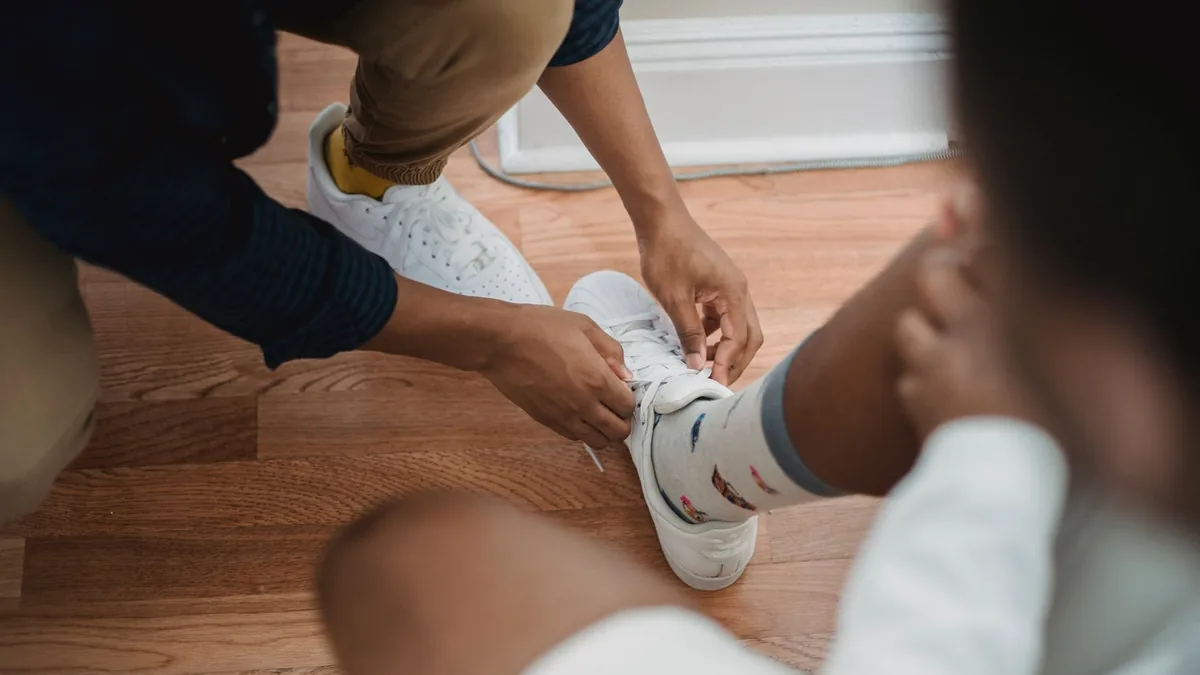
Supporting someone with peripheral neuropathy comes down to three jobs you can actually affect. Keep them safe from falls and from foot injuries they cannot feel. Keep a record that helps the care team find the cause of the nerve damage. And keep the plan going between visits. You do not need a medical background to do any of them well. What you need is a method, so the visit stops being a guessing game.
This guide covers what to watch at home, what to ask for at appointments, and when not to wait.
What is causing your loved one’s peripheral neuropathy?
Peripheral neuropathy looks like a foot problem. But the nerve is usually reacting to something upstream. Neuropathy is a category, not a diagnosis. The useful question is always which cause is doing the damage: metabolic, nutritional, autoimmune, toxic, or structural.
That changes your role. If the cause is still active, symptom relief alone will keep slipping. The things you track at home become the evidence that helps a clinician narrow it down.
Learn the driver categories well enough to ask about them
- Metabolic and microvascular problems, including the blood-flow changes seen in diabetic peripheral neuropathy.
- Nutritional shortages, which can be present even when routine labs are read as normal.
- Autoimmune drivers, including neuropathy alongside lupus or rheumatoid arthritis.
- Toxic exposures, such as medicines, alcohol, chemotherapy and heavy metals.
- Structural causes such as a pinched nerve, which can exist alongside a body-wide neuropathy.
A full breakdown of these is in the hidden drivers of peripheral neuropathy. Reading it before a visit is usually worth more than any list of questions you could copy down.
How do you keep someone with neuropathy safe at home?
When protective feeling fades, the floor feels different and balance changes. An injury can happen with no pain to warn anyone. Most of what a caregiver adds here is about the home, and it can be done the same way every day.
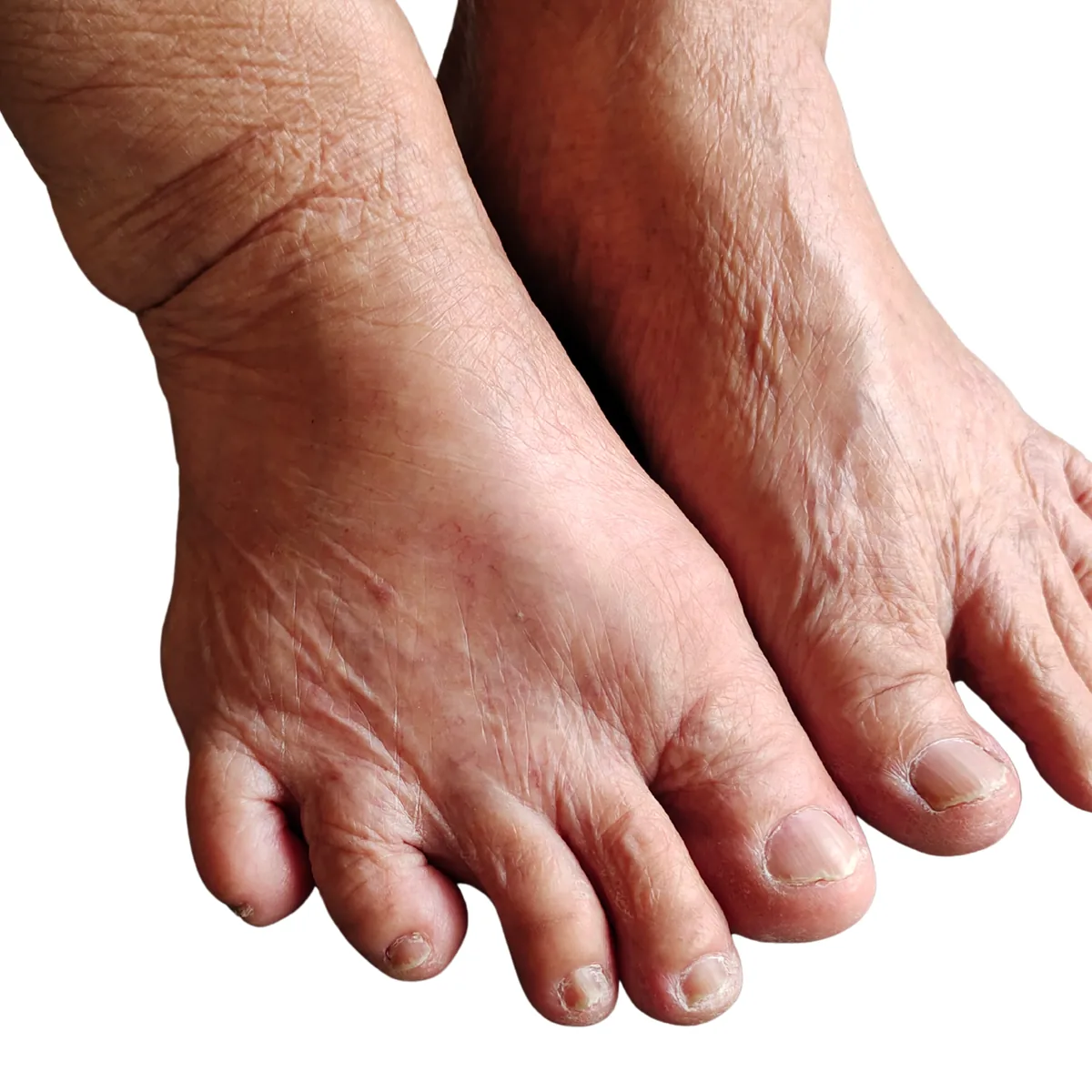
A home safety pass you can run weekly
- Check footwear and fit. Closed-toe shoes with supportive soles, worn indoors as well as outdoors.
- Remove loose rugs, cords and clutter along the routes used most.
- Improve lighting in hallways and on the path to the bathroom.
- Move everyday items to reachable heights, so there is less bending and twisting.
- Take over water-temperature checks. A foot that cannot feel heat will not warn of a burn.
- Look at the soles and between the toes. A mirror makes this easier than it sounds.
Nights are their own problem
When symptoms flare after dark, a caregiver often ends up managing sleep. Keeping the bedroom cool and the bedding smooth helps some people, and both are easy to try.
The more useful job is the record. Note when the burning started, what the day was like before, and whether a medicine or meal time had changed. Patterns show up in a log. Nobody can rebuild them from memory in a fifteen-minute visit.
What should you track and bring to neuropathy appointments?
Clinicians can only work with what they are told. A caregiver who brings dates, a medicine list, past lab results and a two-week symptom log changes what that visit can do.
What is worth writing down
- When symptoms are worst, and what makes them better or worse.
- Recent medicine changes, including doses that were started or stopped.
- Any new weakness, change in gait, or difficulty with stairs.
- Foot findings: redness that does not fade, new callus, blisters, cracks, drainage.
- For a history of chemotherapy or work exposure, the dates and agents involved.
When to push for clearer diagnostic mapping
Ask for more answers if the pattern is unclear, if symptoms are getting worse fast, or if the plan does not match what the person needs to be able to do. Electrodiagnostic testing, done on site at Regenerve, can help show which nerve fibers are involved. It also shows whether the pattern is mainly sensory (feeling) or motor (strength).
What to expect from the treatments that get discussed
Several neuropathy therapies get described loosely in everyday talk. A caregiver is often the one who explains them again at home. A few are worth getting exactly right.
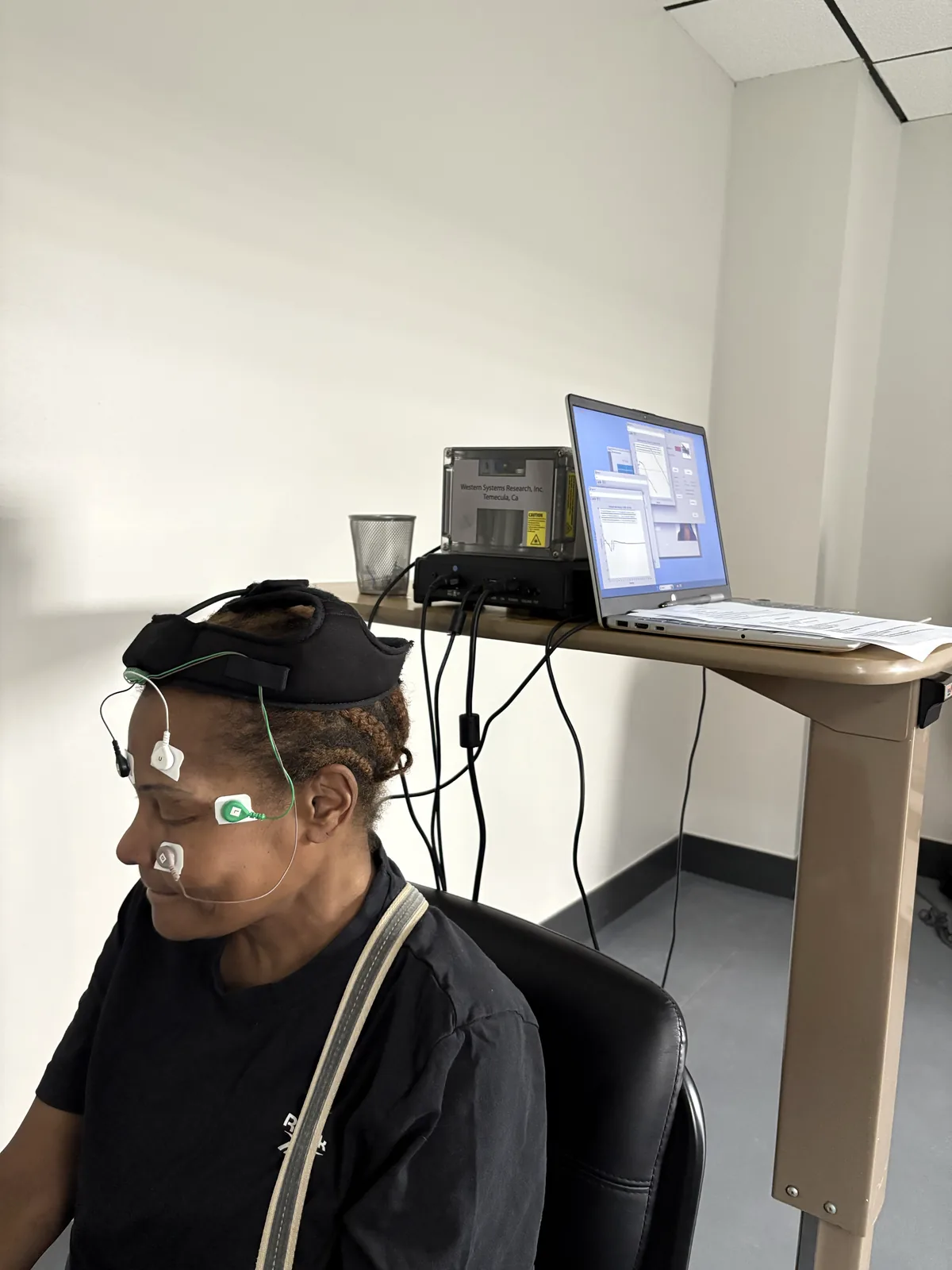
Balance testing is a test, not a treatment
Videonystagmography, or VNG, measures inner-ear balance. It is a test. It can show whether an inner-ear problem adds to unsteadiness beyond what neuropathy explains. That matters for fall risk. But it does not treat anything.
Qutenza has a narrow approved indication
Qutenza, the capsaicin 8% patch, is FDA-approved in adults only for neuropathic pain from postherpetic neuralgia and from diabetic peripheral neuropathy of the feet.
It is applied in the office by a clinician, never dispensed for home use, and repeated no more often than every three months. Plan around the application day and note afterward how nighttime symptoms respond.
Orthobiologic injections at Regenerve
When orthobiologic injections such as PRP and BMAC come up, it is fair to ask what result the clinician expects to see, and over what time.
How do you avoid caregiver burnout?
Caregiver strain is not a soft issue here. When you are worn out, visits slip, medicine schedules drift and the symptom log stops getting updated. The plan slips along with it. The 2025 national caregiving report from AARP and the National Alliance for Caregiving shows that emotional stress and physical strain are widespread among US family caregivers [1][2].
- Pick one daily check-in time for symptoms instead of watching all day.
- Keep one shared calendar for appointments, refills and therapy days.
- Hand off what can be handed off, including transportation and meal prep.
- Protect your own sleep. Judgment and safety awareness both slip when you are tired.
When should you call the doctor about neuropathy?
Most neuropathy is long-term and slow. These are the exceptions. They call for a call to the treating clinician or emergency services, not a wait-and-see:
- New weakness, walking that gets worse fast, or a sudden change in the ability to walk.
- A fall, a head injury, or an inability to get up safely afterward.
- Any open wound, drainage, new odor, or a hot, swollen foot.
- A sharp jump in pain that does not match the past pattern, especially soon after a new medicine.
Frequently asked questions
What should a caregiver do first when someone’s feet are numb?
Start with safety. Clear trip hazards. Check that shoes fit and are worn indoors and out. Take over water-temperature checks, because a foot that cannot feel heat cannot warn anyone. Then push for a workup that finds the cause instead of only treating the feeling. See the hidden drivers of peripheral neuropathy.
How can I help at home when burning feet keep my loved one awake?
Write down when the burning starts, what came before it, and how it affects sleep. Then bring that log to the next visit. Home notes are often the only way a clinician learns whether a change in the plan actually helped. See peripheral neuropathy of the feet symptoms.
Is balance testing a treatment for neuropathy?
No. Videonystagmography, or VNG, is a test of inner-ear balance. It can show whether an inner-ear problem adds to unsteadiness that neuropathy alone does not explain. But it does not treat anything. See VNG balance testing for neuropathy patients.
My loved one was offered the capsaicin 8% patch. What should I know?
Qutenza is FDA-approved in adults only for neuropathic pain from postherpetic neuralgia and from diabetic peripheral neuropathy of the feet. It is applied in the office by a clinician, never sent home, and repeated no more often than every three months. See the Qutenza capsaicin 8% patch page.
What should someone with peripheral neuropathy not do?
They should not walk barefoot, even at home. Closed-toe shoes with supportive soles belong indoors and out. They should not test bath or shower water with a numb foot, because a foot that cannot feel heat will not warn of a burn. And they should not wait out an open wound, a hot swollen foot, a fall, or new weakness. Those need a call to the treating clinician.
How can someone with peripheral neuropathy sleep better?
Keep the bedroom cool and the bedding smooth. Both help some people and are easy to try. Light the path to the bathroom so a night trip does not turn into a fall. Then keep a short log of when the burning started, what the day was like, and whether a medicine or meal time changed. That record shows patterns nobody can rebuild from memory at a short visit.
What should a caregiver bring to a neuropathy appointment?
Bring dates and a current medicine list with any recent dose changes. Bring past lab results and a two-week symptom log. Note when symptoms are worst, any new weakness or trouble with stairs, and foot findings such as blisters, cracks, or redness that does not fade. If there was chemotherapy or a work exposure, bring the dates and agents. Facts like these let the clinician narrow down the cause.
Start with a map, not a guess
The most useful thing a caregiver can bring to the next visit is a clearer sense of which cause is most likely to blame. The free five-question Nerve Damage Score at regenerve.com/assessment is built for exactly that talk. It takes a few minutes to do together.
Sources
- AARP and National Alliance for Caregiving, Caregiving in the US 2025, 2025, https://www.caregiving.org/research/caregiving-in-the-us/.
- AARP Public Policy Institute, Caregiving in the US 2025 (report landing page), 2025, https://www.aarp.org/pri/topics/ltss/family-caregiving/caregiving-in-the-us-2025/.