
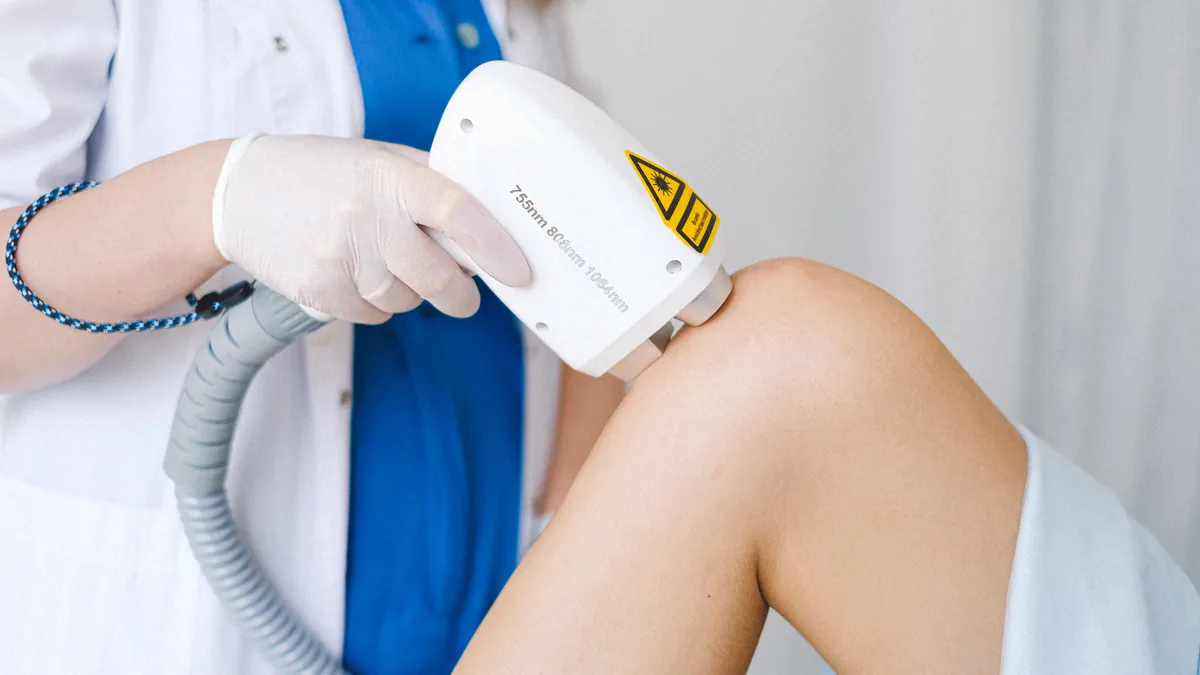
Class 3B cold laser therapy, meaning low-level laser devices in that power range, has been tested against sham treatment in peripheral neuropathy. The results are mixed, not missing. A 50-patient trial in Toronto found a trend toward pain relief that did not reach statistical significance. A 60-patient trial in Iran and a 200-patient trial in India each reported significant improvement in pain and neuropathy scores.1,2,3 No single trial has been large enough, long enough, or similar enough to the others to settle the question.
The second thing worth knowing is who was in those trials. Every one of them enrolled a narrower group of people than the patients who actually walk into a neuropathy clinic. That is the part most articles skip. And it is the part that decides whether a published number applies to you.
This page walks through each trial. It covers the device, the people studied, the exclusion rules as the papers and trial registries state them, and what the design could not measure.
What does “class 3B” mean for a cold laser?
The class is a safety label, not a dose
Laser class is a hazard rating. The federal performance standard at 21 CFR 1040.10 sets the classes. A Class IIIb laser product is one that lets people reach laser radiation, while it runs, above the accessible emission limits of table III-A but not above those of table III-B. A Class IV product goes above table III-B.4 The class describes how dangerous the beam is to an eye or to skin. It says nothing about whether the light helps a nerve.
Two devices in the same class can differ in wavelength and in whether the beam is steady or pulsed. They can differ in how large an area is treated and in how much energy actually reaches tissue. Two devices in different classes can deliver similar energy to similar depth if treatment time and area differ. Class 3B and class 4 are not two schools of therapy. They are two rungs on a safety ladder.
The numbers that matter are often missing from the papers
This is where pooling the research breaks down. A 2016 analysis in Lasers in Medical Science reviewed 74 low-level light therapy and photobiomodulation articles indexed between March 2014 and March 2015. Many left out key settings. Wavelength was missing in 3% of papers, power in 41%, beam area in 40%, irradiance in 43%, pulse frequency in 52%, and radiant energy in 74%.5 Most papers, 73%, gave no information about how light was measured and relied on the maker’s stated values. Only 5% reported a complete set of the settings assessed.
That is not a theory-only complaint. The Toronto trial reports a wavelength of 905 nm and an average power of 0 to 60 mW. But it never states a dose in joules per square centimeter.1 The Iranian trial reports an energy density of 2.5 J/cm². As printed, it also reports a wavelength of 78 nm. That figure is in the extreme ultraviolet range, which no therapeutic laser produces, and the published paper repeats it without correction.2 Neither paper states a laser class at all.
So when someone asks what the trials show for “class 3B,” the honest first answer is this. The trials mostly did not describe themselves in those terms. What they reported was wavelength and, sometimes, power and dose. Reading them means working from those numbers, not from a class label.
The sham-controlled trials that used low-level devices
Toronto, 2004: 50 patients, 905 nm, up to 60 mW
This trial was run at the Diabetic Neuropathy Research Clinic of the Toronto University Health Network between October 2000 and February 2001.1 Fifty patients with painful diabetic sensorimotor polyneuropathy took part: 34 men and 16 women, 88% of them with type 2 diabetes. All received sham therapy for a two-week run-in. They were then randomized to low-intensity laser or continued sham, twice weekly for four weeks. That is eight active sessions in total. The device was a Theralase TLC 5000 at 905 nm with an average power of 0 to 60 mW. It was applied for five minutes to two painful spots on each foot, through a five-prong head covering a 6 cm wide circle of skin.
Who was screened out. Eligible patients were adults aged 18 or older. They had polyneuropathy for at least three months, pain in both feet, and a pain score of at least 4 on the visual analog scale of the Short-Form McGill Pain Questionnaire. Pain medicines and add-on pain medicines were allowed if the regimen was unchanged. The trial excluded patients with unstable medical conditions, naming cancer and active or untreated thyroid disease as examples. It also excluded patients with other nerve diseases that would muddy the neuropathy assessment. Pregnancy, metal implants, alcohol or illicit drug use, and other severe pain that might muddy self-ratings of nerve pain were also exclusions.
What it found. Both groups improved during the sham run-in. The authors put that placebo response at roughly 20% pain reduction. After the four-week treatment, the laser group had an extra drop in weekly mean pain of 1.0 ± 0.4 points, compared with 0.0 ± 0.4 in the sham group. That did not reach statistical significance (P = 0.07). There was no effect on the Toronto Clinical Neuropathy Score, nerve conduction studies, sympathetic skin response, or quantitative sensory testing. The authors concluded that an encouraging trend was seen, but the results did not give enough evidence to recommend the treatment.
What the design could not capture. The authors said this themselves. The study ran over a short period with a fairly small number of patients. Any benefit of low-intensity laser may be limited to small nerve fibers, which are hard to assess accurately. And clearer results might have come from a larger sample and more frequent or longer treatment. They also recorded that no significant side effects occurred. There was no concern about interactions in patients on several medicines. So the treatment could be offered safely to patients with a wide range of other diseases.
Kermanshah, 2013: 60 patients, twice weekly for a month
Sixty patients with diabetic sensorimotor polyneuropathy took part at a diabetes research center in Kermanshah, Iran.2 They were matched on sex, age, body mass index, type and length of diabetes, and length of pain. Then a coin toss randomized them to laser or sham. Participants were 77.7% female, with a mean age of 56.1 years. Diabetes duration ranged from 24 to 360 months, and neuropathy duration from 4 to 96 months. Treatment was twice weekly for five minutes over one month, about eight sessions.
Who was screened out. Eligible patients were older than 18 and diagnosed with polyneuropathy for more than three months. They had pain in both feet and a visual analog score of at least 4. Patients on medicine could join if the regimen had not changed in the four weeks before the study. The trial excluded patients with cancer, patients with thyroid disease who were not taking medicine for it, and patients with nerve disorders that could get in the way of evaluation. Pregnant women, patients with metal objects in the body, and patients using alcohol or psychotropic drugs were also removed.
What it found. In the laser group, visual analog and Toronto Clinical Neuropathy scores improved significantly from baseline at both two and four weeks (P < 0.0001). The difference against sham was also significant (P < 0.0001). The sham group showed no significant change on either measure. Within the laser group, neuropathy scores at four weeks were not significantly better than at two weeks. So most of the change appeared to come early and then level off.
What the design could not capture. Follow-up ended four weeks after a one-month course. So nothing in this trial speaks to how long the effect lasts. The report gives an energy density but no power output, no treatment area, and no laser class. That makes the protocol hard to repeat or to pool with other studies.
Manipal, 2025: 200 patients, helium-neon at 632.8 nm
This is the largest of the low-level laser trials in this condition. Two hundred people with type 2 diabetes and peripheral neuropathy were randomized, 100 per arm, at a center in Manipal, India.3 The treatment arm received photobiomodulation for ten days. It used a low-level helium-neon laser at 632.8 nm and 3.1 J/cm² for nine minutes across the top and sole of the foot. The control arm received sham laser. Patients were assessed on day 0 and four weeks after treatment. The registered protocol also lists a second low-level device. It was a Thor laser at 660 and 850 nm with a power density of 50 to 150 mW/cm², applied behind the knee (popliteal fossa) and over the neck of the fibula. The published report describes the helium-neon part.6
Who was screened out. The trial registration lists inclusion as people aged 30 to 70 with type 2 diabetes and peripheral nerve pain who were willing to consent.6 It excluded patients with any other nerve disorder or other illnesses (morbid conditions). It excluded patients with another metabolic neuropathy, giving thyroid disorders as the example. It excluded pregnant women and patients having chemotherapy or radiation. And it excluded patients with diabetic peripheral neuropathy who had a foot ulcer.
What it found. Four weeks after treatment, the treatment group showed significant change in several measures, all at P < 0.001. These were serum neuron specific enolase and calcitonin gene-related peptide, the Michigan Neuropathy Screening Instrument score, vibration perception threshold, numeric pain rating, and the Norfolk quality-of-life score. Nerve growth factor did not change (P = 0.937). The authors concluded that serum neuron specific enolase and calcitonin gene-related peptide may be good markers of how well photobiomodulation reduces nerve pain and other symptoms.
What the design could not capture. Only the participants were blinded, not the assessors. That is weaker than the double-masked design used in Toronto. The exclusion list removes the two groups a neuropathy clinic sees all the time. These are people whose nerve injury has more than one cause, and people whose feet have already broken down. And ten days of treatment with a four-week check cannot say anything about a year from now.
What happens when these studies are pooled
A 2019 systematic review searched PubMed, Web of Science, CINAHL and Cochrane. It screened 627 records and included six studies, randomized and non-randomized. Its outcomes were pain score, nerve conduction velocity and quality-of-life measures.7 It concluded that the evidence obtained shows low level laser therapy has a positive effect in controlling diabetic nerve pain. Six studies of mixed design is a small and uneven base, and the review says so by reporting its own numbers.
A 2025 review in Lasers in Medical Science looked at 23 clinical and preclinical studies published between 2015 and 2025. It focused on dose.8 It reported the most consistent treatment effects at wavelengths of 630 to 670 nm and 808 to 904 nm. Those effects also came with fluences of 3 to 10 J/cm², output power between 45 and 100 mW, and protocols of at least 12 sessions. It described photobiomodulation as a promising, safe and effective add-on therapy for diabetic neuropathy. And it concluded that the lack of standard dosing across studies remains a major challenge.
Two details in that set of settings are worth pausing on. An output power of 45 to 100 mW sits inside the class 3B range, not the class 4 range. And the session count matters. The Toronto and Kermanshah trials each gave about eight sessions, and the Manipal trial ten. That is fewer than the twelve-session floor later tied to more consistent effect.
The class 4 trials, and why they are a separate question
Older adults with type 2 diabetes
The trial most often quoted in cold laser marketing used a class IV device, not a class 3B one. It was a pilot randomized, double-masked, sham-controlled study of 40 adults aged 60 and above. They had type 2 diabetes and painful diabetic peripheral neuropathy confirmed by nerve conduction velocity. They were recruited from the Department of Geriatric Medicine at AIIMS in New Delhi between April 2016 and September 2017.9 Participants were randomized 1:1 to deep tissue laser therapy or sham. Sessions were twice weekly for four weeks and then weekly for eight weeks, sixteen sessions in total. Both arms continued standard care. So the trial tested laser as an add-on to usual care, not as a replacement for it.
The device was a Class IV medical laser. It delivered a blend of 980 nm and 810 nm light in an 80:20 optical power ratio, at 2 W continuous wave, with a starting combined irradiance of 0.8 W/cm². It covered a sole area of about 120 to 200 cm². Class 3B units run at much lower output. So this trial does not tell you what a class 3B device would do.
Who was screened out. The paper excluded patients with type 1 diabetes and open wounds on the legs or feet. It excluded psychotic, mood or nerve disorders that could get in the way of the assessments. It also excluded patients with a life expectancy of less than three years and any cancer treated with chemotherapy or radiotherapy in the previous two years. Patients were recruited no matter how long they had had neuropathy, so both new and long-standing cases were included.
What it found. Pain fell in both arms, and significantly more in the active arm. On the Pain Disability Questionnaire, the active group fell 60% (P < 0.001), against 28% in sham (P < 0.01). Quality of life improved significantly in the active group (P < 0.001) but not in sham (P = 0.194). Timed Up and Go times improved in both groups, and the improvement was 16% greater in the active group. But the authors reported that the ANOVA interaction for that difference was not statistically significant (P > 0.05). That correction matters. The function result was not a positive finding, and it should not be quoted as one.
What the design could not capture. The authors listed their own limits. There was no data on how long patients had had neuropathy, and disease duration varied among participants. Some comparisons lacked statistical power. And as a pilot, it needs to be confirmed in a multicenter trial with a larger group and longer follow-up.
Chemotherapy-induced neuropathy
Two class IV trials tested a different cause. One was a randomized, double-blind, sham-controlled cross-over trial at the University of Minnesota.10 In it, 70 patients with chemotherapy-induced peripheral neuropathy got 30-minute sessions three times weekly for six weeks. They received either a class IV laser at 800 to 970 nm, 6.75 to 12 W per treatment zone, or a sham ceramic heat probe. Eligibility here was unusually broad. Any adult with self-reported peripheral neuropathy and past chemotherapy could enroll. That included patients diagnosed with neuropathy before chemotherapy and patients already on drug treatment for it, as long as they did not change therapy during the study. The single stated exclusion was active cytotoxic cancer treatment within 30 days of enrollment.
Treated patients had a mean drop in modified total neuropathy score of 6.8 points, 52.6%, at eight weeks (P < 0.001). Sham patients changed by +0.2 points, 1.5% (P = 0.44). Adding physiotherapy to the laser did not improve the result over laser alone (difference 0.1 points, P = 0.85). But the group was entirely female and 98% non-Hispanic white, because it was drawn from a gynecologic oncology clinic. Broad on other diseases, narrow on who the patients were.
The NEUROLASER pilot in Belgium took the opposite approach. It tested prevention, not treatment.11 Thirty-two breast cancer patients getting taxane chemotherapy were analyzed, after 54 were randomized. It used a class IV device at 905 and 808 nm, 0.168 W/cm² and 4 J/cm², twice weekly. The exclusions were long. They included prior neuropathy from another condition and being on a stable dose of neuropathy medicine such as duloxetine or pregabalin. They also included cancer that had spread, pausing chemotherapy for more than two cycles, missing more than two laser sessions in a row, and any cut in chemotherapy dose. Neuropathy scores rose significantly over time in both arms (P < 0.001), and the difference between arms was not significant. Still, quality of life, the six-minute walk at follow-up (P = 0.035) and pain at follow-up (P = 0.058) favored the treated group. The authors named the small sample as their main limit.
Who did the cold laser studies leave out?
Line the exclusion lists up and a pattern appears. Across these six trials, the following people were kept out of at least one, and usually several. Patients with type 1 diabetes. Patients with an open foot wound or ulcer. Patients with any other nerve disease. Patients with a second metabolic cause such as thyroid disease. Patients with cancer, or on chemotherapy or radiation, or with a life expectancy under three years. Patients with other severe pain that would muddy a pain questionnaire. Patients whose medicine regimen had changed recently. And, in the largest trial, patients over 70 or under 30, and anyone with unnamed “other morbid conditions.”
These are reasonable scientific choices. Removing competing explanations is how a trial isolates one variable. But the result is that the published numbers describe a cleaner patient than the one in the exam room. Picture a person with type 2 diabetes, insulin resistance, a thyroid disorder, a healed ulcer, a recent change in gabapentin and eight years of symptoms. That person would have been ruled out of most of this research.
The conclusion cuts both ways, and it should. A trend that missed statistical significance in 50 carefully chosen patients does not prove that low-level laser fails in patients who were screened out. And a significant result in 200 carefully chosen patients does not prove that it will help someone the trial would have excluded. What the exclusions show is that the question has not been asked in the complex patient at all.
What can the cold laser trials not tell you?
Four gaps run across the whole set.
Duration. Active treatment ran four weeks in Toronto, one month in Kermanshah, ten days in Manipal, twelve weeks in New Delhi and six weeks in Minnesota. The longest follow-up in any of them was 16 weeks. Nothing here measures how long the effect lasts at a year.
Combination and sequence. Only the New Delhi trial clearly gave laser on top of ongoing standard care. Only the Minnesota trial tested adding a second treatment, physiotherapy, and that did not improve the result over laser alone. None of them tested light inside a step-by-step program that first finds and corrects the metabolic, nutritional, autoimmune or toxic cause. A single-treatment trial cannot answer a combination question.
Outcome measures. Standard nerve conduction studies mainly test large, coated (myelinated) fibers. The Toronto authors expected no change in those tests and got none. They raised the chance that any benefit lies in small fibers that these tests do not measure well. So a trial can report a null objective result while missing the fibers that carry burning and temperature feeling.
Dose. Settings were reported unevenly, and in two of these papers incompletely or implausibly. So the trials cannot be added together into one answer about one treatment. They are several different treatments sharing a label.
Does Medicare cover laser treatment for neuropathy?
Medicare maintains national coverage determination 270.6, Infrared Therapy Devices, effective for services on and after October 24, 2006.12 It states that the use of infrared or near-infrared light or heat, including monochromatic infrared energy, is non-covered for the treatment of diabetic or non-diabetic peripheral sensory neuropathy and of wounds or ulcers of the skin or subcutaneous tissues, including pain arising from those conditions. The determination it followed was proposed in the CAG-00291N decision memorandum dated July 26, 2006.13
Two things are worth reading carefully. First, the NCD’s own description of the device category is an array of juxtaposed infrared diodes affixed to a flexible pad held in skin contact — a diode pad, not a laser. Second, a coverage determination is a payment decision made under the reasonable-and-necessary standard of the Social Security Act. It is not a clinical finding, and it does not report a trial result. Patients sign an Advance Beneficiary Notice for services a payer does not cover. Whether something is covered and whether something helps are two different questions, and a page that treats them as one is misleading its reader.
Why the driver matters more than the device
A laser cannot correct a nutrient shortage, an autoimmune process or a toxic exposure. Before adding a light-based therapy to a plan, the more useful question is which cause is damaging the nerve right now.
That is why our workup starts with finding the cause, whether metabolic, nutritional, autoimmune, toxic or structural, instead of treating “neuropathy” as one condition. You can read how we sort those apart in the hidden drivers of peripheral neuropathy.
A 2025 review of laser therapy for nerve pain searched four databases for English-language studies published between January 2000 and June 2025. It covered both low-level and high-intensity laser therapy, across conditions including postherpetic neuralgia and diabetic neuropathy.14 The breadth of that research is exactly why a single device label such as “3B” does not predict a result.
How we use class 3B cold laser at Regenerve
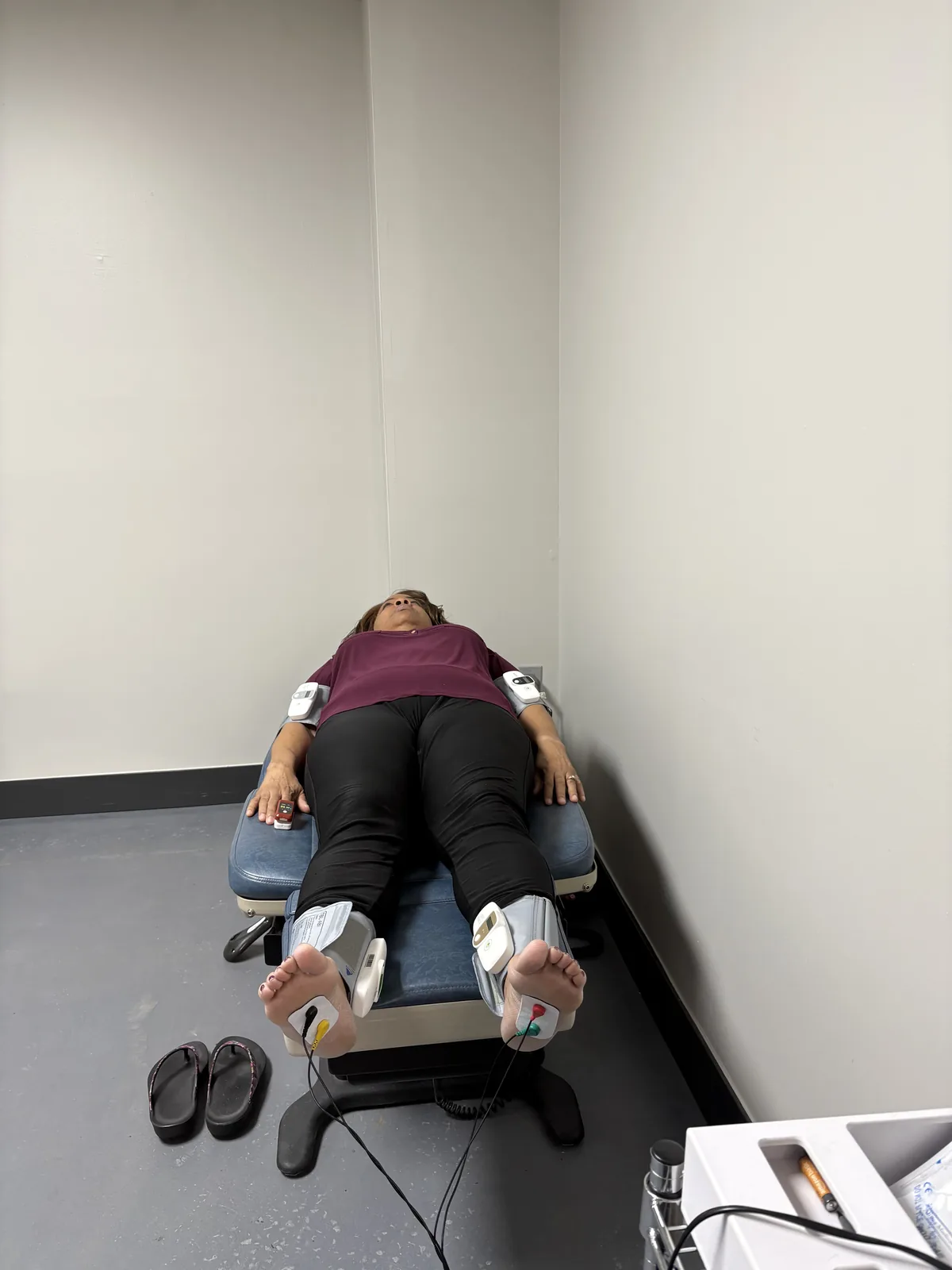
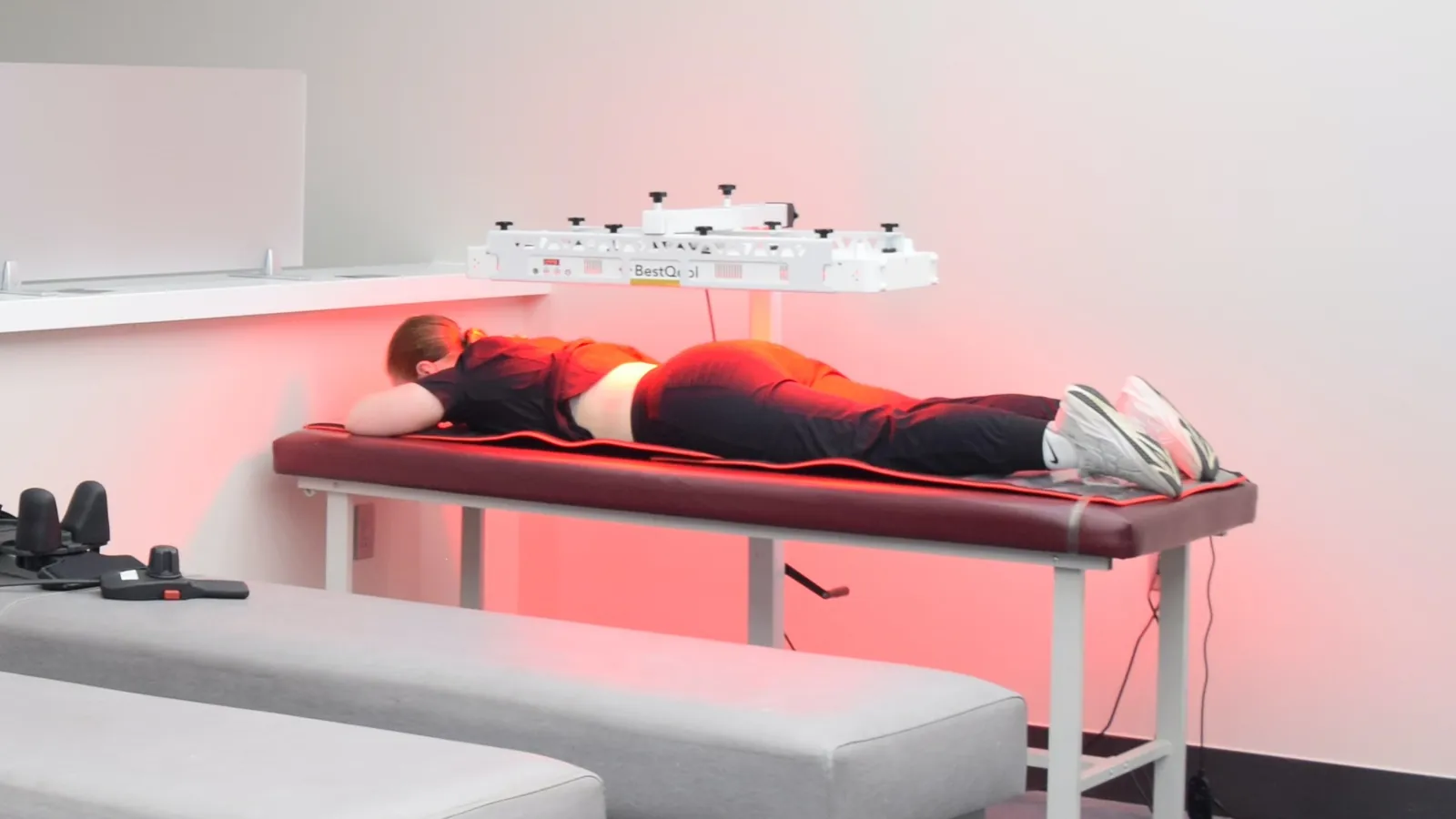
Regenerve offers class 3B cold laser alongside class 4 photobiomodulation and whole-body infrared. We use them as parts of a physician-directed plan. That comes after on-site electrodiagnostic testing and a metabolic workup have found what is driving the nerve injury. And it goes alongside the metabolic and nutrition work that treats that cause. We do not use light as a stand-alone treatment for nerve damage.
We do not promise nerve regeneration, reversal or cure. We do not publish a success rate for our protocol. Our full list of testing and therapy options is on the Regenerve services page.
What we tell patients before starting
The talk covers four things. First, what the published trials for your cause actually showed, including where they were negative. Second, whether you would have qualified for those trials, and if not, what that does and does not mean. Third, the safety record, which across these studies was benign. The Toronto trial reported no significant side effects and no concern about interactions in patients on several medicines. The Minnesota trial reported no complications among treated patients. And fourth, a set point at which we stop and reassess instead of going on forever.
“My ethos is to treat all of my patients as I would my own family, with the goal of giving them back their quality of life.” — Dr. Gurpreet Singh Padda, MD, MBA, MHP
We see patients from the St. Louis region, Missouri and Illinois, at 4477 Woodson Rd #104, St. Louis, MO 63134, minutes from St. Louis Lambert International Airport. Call (314) 886-5739 or text (314) 886-5902.
Start with your Nerve Damage Score
If you are weighing cold laser or any other therapy, start by finding out which cause is doing the most damage. The Nerve Damage Score is a free five-question screen that helps focus the first visit.
Frequently asked questions
Does class 3B cold laser therapy work for neuropathy?
The sham-controlled evidence for low-level devices in this power range is mixed. A 50-patient trial in Toronto found a trend that missed statistical significance at P = 0.07. A 60-patient trial in Iran and a 200-patient trial in India each reported significant improvement in pain and neuropathy scores. All three enrolled selected groups. So the results describe those groups, not every patient. See peripheral neuropathy treatments for the feet.
Is cold laser the same thing as infrared therapy for neuropathy?
No. Medicare’s national coverage determination 270.6 describes infrared therapy devices as an array of infrared diodes on a flexible pad held against the skin. That device category is not covered for diabetic and non-diabetic peripheral sensory neuropathy. A laser differs in wavelength, coherence, power and delivery. And a coverage decision is a payment judgment, not a trial result. See alternative medicine approaches to peripheral neuropathy.
Should I have nerve testing before trying laser therapy?
Testing first tells you which fibers are involved. It shows whether the pattern starts in the longest nerves, sits in one spot, or involves small fibers. That changes what is worth trying. Nerve conduction studies mainly test large, coated fibers. So they can read normal when small fibers are the problem. That is also why a trial using them as an endpoint can miss an effect. See small fiber neuropathy symptoms and testing.
Does laser therapy help if my neuropathy is not diabetic?
Most of the low-level laser evidence was gathered in diabetic polyneuropathy. Two class 4 trials studied chemotherapy-induced neuropathy. One reported a large drop in neuropathy scores. The other found no significant difference from sham on its main endpoint. Autoimmune, nutritional and toxic causes have not been tested this way, and the plan should still target the cause doing the damage. See diabetic peripheral neuropathy treatment in St. Louis.
What are the drawbacks of laser therapy for neuropathy?
The main drawbacks are gaps in the evidence, not harm. The longest follow-up in these trials was 16 weeks, so nobody knows how long a benefit lasts. Doses were reported so unevenly that the trials cannot be added together. And most of them screened out complex patients. Light also cannot correct the nutrition, autoimmune or toxic cause that is damaging the nerve.
How many laser sessions does neuropathy treatment take?
The published trials used fewer sessions than you might expect. The Toronto and Kermanshah trials each gave about eight. The Manipal trial treated for ten days, and the New Delhi class 4 trial used sixteen. A 2025 dosing review tied more consistent effects to protocols of at least twelve sessions. At Regenerve we set a point to stop and reassess instead of going on forever.
Is cold laser therapy safe for neuropathy?
Across these studies the safety record was benign. The Toronto trial reported no significant side effects and no concern about interactions in patients taking several medicines. The Minnesota trial reported no complications among treated patients. Laser class is a hazard label for the eyes and skin, not a dose. We use cold laser as one part of a physician-directed plan, never on its own.
Sources
- Zinman LH, Ngo M, Ng ET, Nwe KT, Gogov S, Bril V. “Low-intensity laser therapy for painful symptoms of diabetic sensorimotor polyneuropathy: a controlled trial.” Diabetes Care. 2004;27(4):921–924. https://doi.org/10.2337/diacare.27.4.921
- Bashiri H. “Evaluation of low level laser therapy in reducing diabetic polyneuropathy related pain and sensorimotor disorders.” Acta Medica Iranica. 2013;51(8):543–547. https://acta.tums.ac.ir/index.php/acta/article/view/4395
- Anju M, Ummer Velladath S, Arun Maiya G, Hande M. “A single blinded randomized controlled trial assessing the effect of photobiomodulation therapy on neuron specific biomarkers in type II diabetes mellitus patients with peripheral neuropathy.” Diabetes Research and Clinical Practice. 2025;222:112087. https://doi.org/10.1016/j.diabres.2025.112087
- U.S. Food and Drug Administration. “21 CFR 1040.10 — Laser products.” Code of Federal Regulations, current edition. https://www.ecfr.gov/current/title-21/chapter-I/subchapter-J/part-1040/section-1040.10
- Hadis MA, Zainal SA, Holder MJ, Carroll JD, Cooper PR, Milward MR, Palin WM. “The dark art of light measurement: accurate radiometry for low-level light therapy.” Lasers in Medical Science. 2016;31(4):789–809. https://pmc.ncbi.nlm.nih.gov/articles/PMC4851696/
- Clinical Trials Registry – India. “Effect of Low Level Laser Therapy on Neuropathic Pain Specific Markers in Diabetic Peripheral Neuropathy — A Single Blinded Randomised Control Trial.” CTRI/2018/04/013540, registered April 27, 2018. WHO International Clinical Trials Registry Platform record. https://trialsearch.who.int/Trial2.aspx?TrialID=CTRI/2018/04/013540
- Anju M, Saleena Ummer V, Arun G Maiya, Manjunath Hande. “Low level laser therapy for the patients with painful diabetic peripheral neuropathy — A systematic review.” Diabetes & Metabolic Syndrome. 2019;13(4):2667–2670. https://doi.org/10.1016/j.dsx.2019.07.035
- de Souza V, da Palma Cruz M, Chaves Bittencourt C, et al. “Dosimetric parameters and clinical outcomes of photobiomodulation in diabetic neuropathy: a concise review.” Lasers in Medical Science. 2025;40:436. https://doi.org/10.1007/s10103-025-04701-7
- Chatterjee P, Srivastava AK, Kumar DA, Chakrawarty A, Khan MA, Ambashtha AK, Kumar V, De Taboada L, Dey AB. “Effect of deep tissue laser therapy treatment on peripheral neuropathic pain in older adults with type 2 diabetes: a pilot randomized clinical trial.” BMC Geriatrics. 2019;19:218. https://pmc.ncbi.nlm.nih.gov/articles/PMC6689877/
- Argenta PA, Ballman KV, Geller MA, Carson LF, Ghebre R, Mullany SA, Teoh DGK, Winterhoff BJN, Rivard CL, Erickson BK. “The effect of photobiomodulation on chemotherapy-induced peripheral neuropathy: A randomized, sham-controlled clinical trial.” Gynecologic Oncology. 2017;144(1):159–166. https://doi.org/10.1016/j.ygyno.2016.11.013
- Lodewijckx J, Robijns J, Claes M, et al. “The use of photobiomodulation therapy for the prevention of chemotherapy-induced peripheral neuropathy: a randomized, placebo-controlled pilot trial (NEUROLASER trial).” Supportive Care in Cancer. 2022;30(6):5509–5517. https://pmc.ncbi.nlm.nih.gov/articles/PMC8935622/
- Centers for Medicare & Medicaid Services. “NCD 270.6, Infrared Therapy Devices.” Effective October 24, 2006; implementation January 16, 2007. Medicare Coverage Database. https://www.cms.gov/medicare-coverage-database/view/ncd.aspx?ncdid=315&ncdver=1
- Centers for Medicare & Medicaid Services. “Proposed Decision Memorandum for Infrared Therapy Devices (CAG-00291N).” July 26, 2006. Medicare Coverage Database. https://www.cms.gov/medicare-coverage-database/view/ncacal-decision-memo.aspx?proposed=Y&ncaId=176
- Farouk S, Abdullah AA. “Laser therapy for neuropathic pain and neuroinflammatory skin disorders: A comprehensive overview.” CosmoDerma. 2025;5:125. https://cosmoderma.org/laser-therapy-for-neuropathic-pain-and-neuroinflammatory-skin-disorders-a-comprehensive-overview/