

In diabetic peripheral neuropathy, alpha-lipoic acid probably has little or no effect on neuropathy symptoms compared with placebo. That is what a 2024 Cochrane review found. It pooled three placebo-controlled randomized trials in 816 adults with type 1 or type 2 diabetes. The mean difference was −0.16 points on symptom scores at six months. There was also low-certainty evidence of little or no effect on impairment [1]. An American Family Physician summary of the same review showed the same picture at both six and 24 months [2].
That does not make alpha-lipoic acid harmful. It also does not answer every neuropathy question. It means this: if you want a clear change in burning or numbness from diabetic peripheral neuropathy, the trials do not support expecting it from this supplement alone.
Does alpha-lipoic acid work for neuropathy?
Trial wording can sound slippery, so here it is in plain terms. The people studied were adults with diabetes and diabetic peripheral neuropathy. Their mean age was 57.8 years. They were treated for at least six months at doses between 600 and 1,800 mg per day. On average, people on alpha-lipoic acid did about the same as people on placebo [1].
The reviewers also found little or no difference in side effects that made people stop treatment [1][2]. So the honest summary is not that this supplement is dangerous. It is that it is unlikely to change how your feet feel.
What the review actually measured
The main outcome was the change in neuropathy symptoms six months after randomization. It was measured with proven tools such as the Total Symptom Score. Other outcomes were symptoms at 24 months, impairment at six and 24 months, and side effects that made people stop [1].
The reviewers lowered their certainty because people dropped out of follow-up and the results were loose, mostly for impairment [1]. That difference matters. The finding is not that the supplement was proven useless. It is that no benefit showed up, on evidence of moderate and low certainty.
Why doesn’t one supplement fix neuropathy?
Peripheral neuropathy is a category, not a diagnosis. Nerve injury can come from metabolic stress, low nutrients, autoimmune attack, toxic exposure or a pinched nerve. Those causes do not respond to the same fix.
That is why the first question in our clinic is not which supplement to add. It is which cause is doing the most damage right now. You can read how we handle the causes that often get missed in the hidden drivers of peripheral neuropathy.
When the driver is metabolic
When the main cause is metabolic, the plan has two goals at once. First, lower the ongoing metabolic strain on nerve fibers and their tiny blood vessels. Second, support the nerve’s environment while that strain comes down. A supplement added on top of an unchanged metabolic picture is swimming against the current.
For the chemistry behind that, see our explainer on glycation and how sugar damages nerves.
When the driver is not metabolic
Low nutrients, gluten-linked patterns, toxic and environmental exposures, autoimmune attack and chemotherapy nerve injury all cause nerve symptoms. None of them were the group studied in the alpha-lipoic acid trials.
A label of idiopathic usually means the cause has not been found yet. It does not mean there is no cause. That is a reason to keep looking, not a reason to cycle through supplements.
What should you do instead of guessing with supplements?
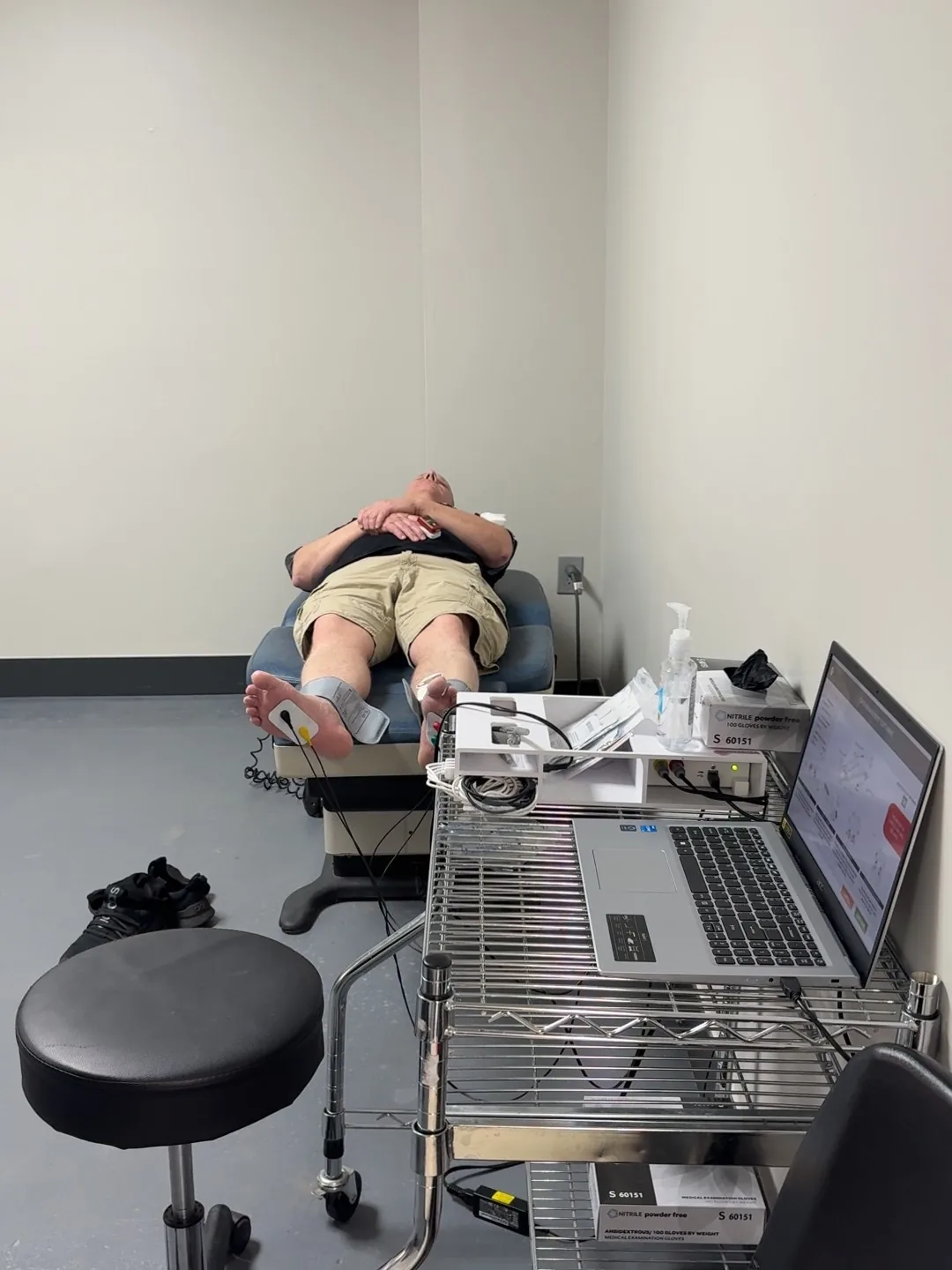
We do electrodiagnostic testing (EMG and nerve conduction studies) on site. So we read your nerve conduction results alongside your history, not as a separate report weeks later. We pair that with a metabolic and nutrition workup to check whether the terrain has what nerves need.
When in-clinic therapy fits, our confirmed options include class 4 photobiomodulation, class 3B cold laser and whole-body infrared. We use these inside a plan matched to your cause, not as a standalone answer. We do not promise nerve regeneration or reversal of established nerve damage.
Should you keep taking alpha-lipoic acid?
Some patients already take it and tolerate it well. Our position is that it can stay as one part of metabolic and nutrition support. That holds as long as it does not push aside the work that actually changes the cause. The trial evidence should set your expectations for what it will do.
Frequently asked questions
Does alpha-lipoic acid help diabetic peripheral neuropathy?
Probably not enough for you to notice. A 2024 Cochrane review of three placebo-controlled trials in 816 adults with diabetes looked at this. It found that alpha-lipoic acid probably has little or no effect on neuropathy symptoms at six months, and may have little or no effect on impairment [1]. Our approach when diabetes is the cause is on our diabetic peripheral neuropathy treatment page.
Does taking it for longer work better?
Not according to the published record. An American Family Physician summary of the same Cochrane review found little or no effect compared with placebo. That held for symptoms and impairment at both six and 24 months [2]. When low nutrients are the real problem, fixing that shortage is a different question. See functional B12 deficiency and neuropathy.
Do these results apply to me if my neuropathy is not from diabetes?
No. The trials enrolled adults with type 1 or type 2 diabetes and diabetic peripheral neuropathy [1]. So the finding cannot be carried over to autoimmune, toxic, nutritional or idiopathic causes. Burning pain that lasts when routine nerve conduction testing looks close to normal points somewhere else. See small fiber neuropathy symptoms and testing.
If not a supplement, what is the first useful step?
Finding which cause is active, then matching the testing to that pattern. We do electrodiagnostic testing (EMG and nerve conduction studies) on site. We read it alongside a metabolic and nutrition workup, not one change at a time. See our neuropathy services.
How much alpha-lipoic acid was tested for neuropathy?
The trials in the 2024 Cochrane review gave adults with diabetic neuropathy between 600 and 1,800 mg a day for at least six months [1]. Even across that range, the average result was close to placebo. So the dose matters less than your expectations. At the amounts studied, this supplement is unlikely to change how your feet feel on its own.
Is there a downside to taking alpha-lipoic acid?
The reviewers found little or no difference versus placebo in side effects that made people stop treatment [1][2]. The bigger downside is time. If alpha-lipoic acid takes the place of finding the cause of the nerve damage, that cause keeps working. If you already take it and tolerate it well, it can stay as one part of a plan, not the plan.
What is the number one supplement for neuropathy?
There isn’t one. Peripheral neuropathy is a category, not a diagnosis. Metabolic stress, low nutrients, autoimmune attack, toxic exposure, and nerve compression all injure nerves. They do not respond to the same fix. That is why our first question is which cause is doing the most damage right now, not which supplement to add.
Can alpha-lipoic acid regenerate nerves?
The trial record does not show it. The Cochrane review found little or no effect on symptoms at six months. It also found low-certainty evidence of little or no effect on nerve impairment [1]. We do not promise nerve regeneration or reversal of established damage from any treatment. The goal is to cut what is still injuring the nerve and support the conditions in which function can improve.
Start with the Nerve Damage Score
The Nerve Damage Score is a free five-question check. It helps find which cause is most likely behind your symptoms. That way your workup starts with a direction instead of a guess.
Regenerve, 4477 Woodson Rd #104, St. Louis, MO 63134. Serving the St. Louis region, Missouri and Illinois, minutes from St. Louis Lambert International Airport.
Sources
- Baicus C, Purcarea A, von Elm E, Delcea C, Furtunescu FL. “Alpha-lipoic acid for diabetic peripheral neuropathy.” Cochrane Database of Systematic Reviews, 2024, Issue 1, Art. No.: CD012967. Published 11 January 2024. DOI: 10.1002/14651858.CD012967.pub2. https://www.cochranelibrary.com/cdsr/doi/10.1002/14651858.CD012967.pub2/full — cited for the three included placebo-controlled trials, 816 adult participants with type 1 or type 2 diabetes, mean age 57.8 years, doses of 600–1,800 mg per day, the −0.16-point symptom difference and −1.02-point impairment difference at six months, the outcome definitions, and the certainty downgrades for loss to follow-up and imprecision.
- Abuali SM, Frasca DJ. “Alpha-Lipoic Acid for Diabetic Peripheral Neuropathy.” American Family Physician, February 2025;111(2):119–120. https://www.aafp.org/afp/2025/0200/mbtn-alpha-lipoic-acid-diabetic-peripheral-neuropathy — cited for little or no effect versus placebo on symptom reduction and impairment at six and 24 months, and little or no difference in adverse events.