

Chemotherapy-induced peripheral neuropathy is nerve injury caused by cancer drugs that harm nerves. It is common. About 30 to 40% of patients treated with nerve-toxic chemotherapy will develop CIPN, and how bad it gets varies a lot from person to person.1 It mostly affects feeling and often comes with pain. It can cause long-term problems.1 That is why care has to look at more than the pain score.
The real question is not whether you have neuropathy. It is which causes are adding to it in your case, and which of them can still be cut back.
Key takeaways
- CIPN is usually sensory-predominant. Burning, numbness and electric feelings are more typical than weakness.1
- The chemotherapy is rarely the only factor. Nutrition and metabolic weak spots can sit underneath it.
- Testing narrows the question. We do electrodiagnostic testing (EMG and nerve conduction studies) on site.
- Symptom control is not nerve repair. Medicine that turns down the signal has a role, but it is not the whole plan.
- Nothing here is promised as regeneration or cure. The goals are fewer misfires, better function and safer walking.
What causes chemotherapy-induced peripheral neuropathy?
Nerve-toxic chemotherapy drugs can injure nerve fibers directly. The damage usually shows up far from the center of the body and hits feeling first. The feet and hands go first, and feeling goes before strength.1 That is the main cause, and it is the one people already know about.
What gets less attention is the terrain the injury lands on. Nerve fibers depend on working tiny blood vessels and on enough nutrients. When either is weak before treatment starts, the same dose of the same drug lands on a weaker nerve.
Where the overlapping contributors show up
- Metabolic stress, such as insulin resistance or diabetes that was never diagnosed
- Nutritional deficiency, such as B12 deficiency and functional B12 deficiency
- Reduced microvascular perfusion, meaning less blood flow in the small vessels that feed nerve tissue
- Pre-existing neuropathy from a cause that was never found
None of these replaces the chemotherapy as the trigger. They change how much injury a given dose causes, and how much room there is to recover afterward. Our overview of the hidden drivers of peripheral neuropathy covers the ones that most often go unchecked.
How is chemo-induced neuropathy diagnosed?
The workup has one job: turn “I have neuropathy” into a clear picture of which fibers are hurt and what else is adding to it. Without that, treatment aims at a category instead of a cause.
What the evaluation includes
- Electrodiagnostic testing (EMG and nerve conduction studies), done on site, to map large-fiber damage and where it is
- Metabolic and nutritional review, to find problems that can be fixed
- VNG balance testing when balance is affected. VNG is a test of inner-ear balance, not a treatment.
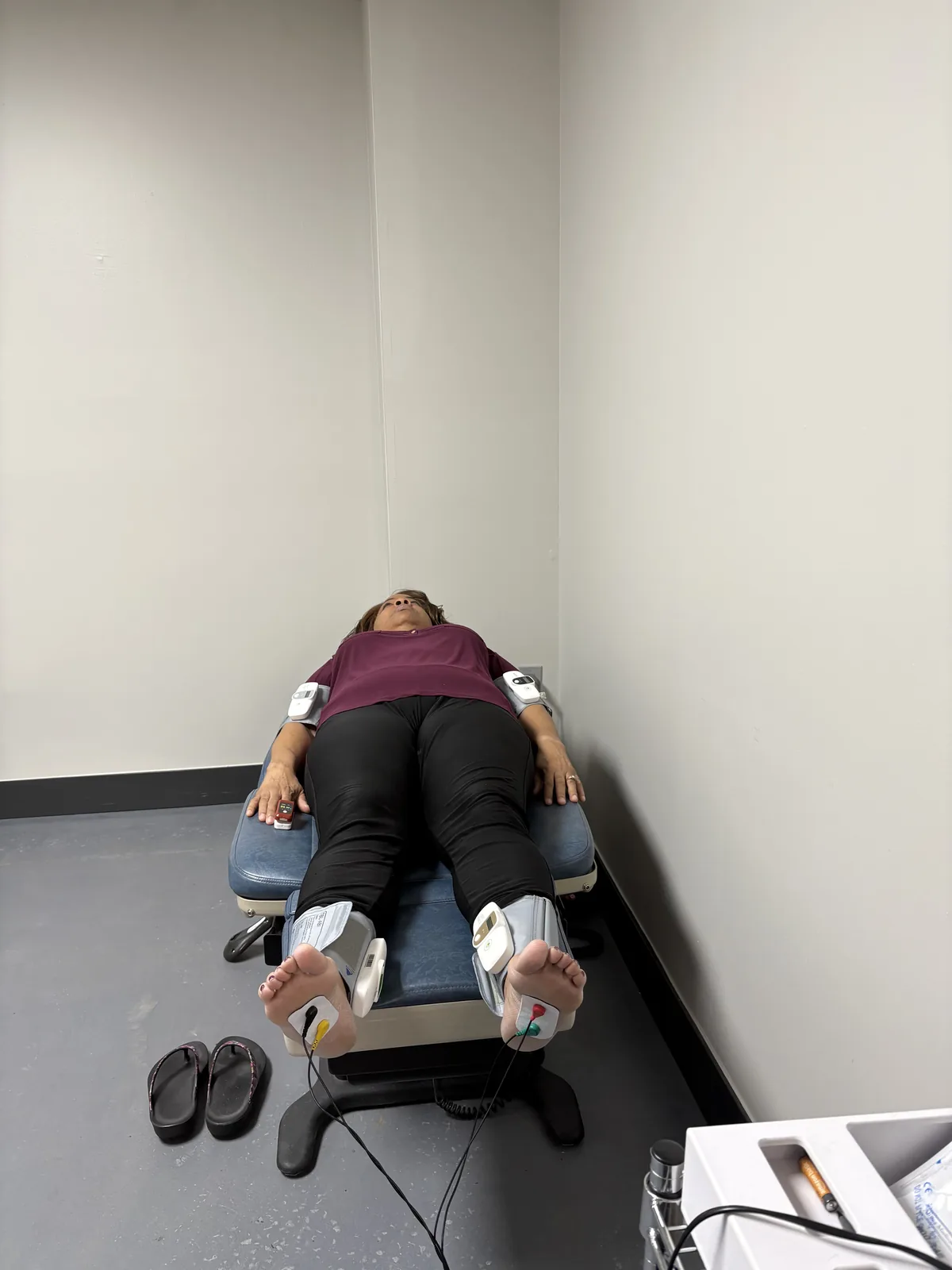
Why the exam matters as much as the test
Small nerve fibers carry burning, temperature and pins-and-needles feelings. They can be badly injured while routine nerve conduction testing still reads close to normal. A normal study does not mean nothing is wrong. It means the test looked at the fibers it was built to look at.
How is chemotherapy-induced neuropathy treated?
CIPN care works in layers, because the nerve is under pressure from more than one side at once. Each layer has a clear job. None of them is the whole answer.
Symptom control
Cutting pain matters for sleep, safety and staying active. We treat it as volume control, not repair. And we are clear that a lower pain score is not proof the nerve has healed.
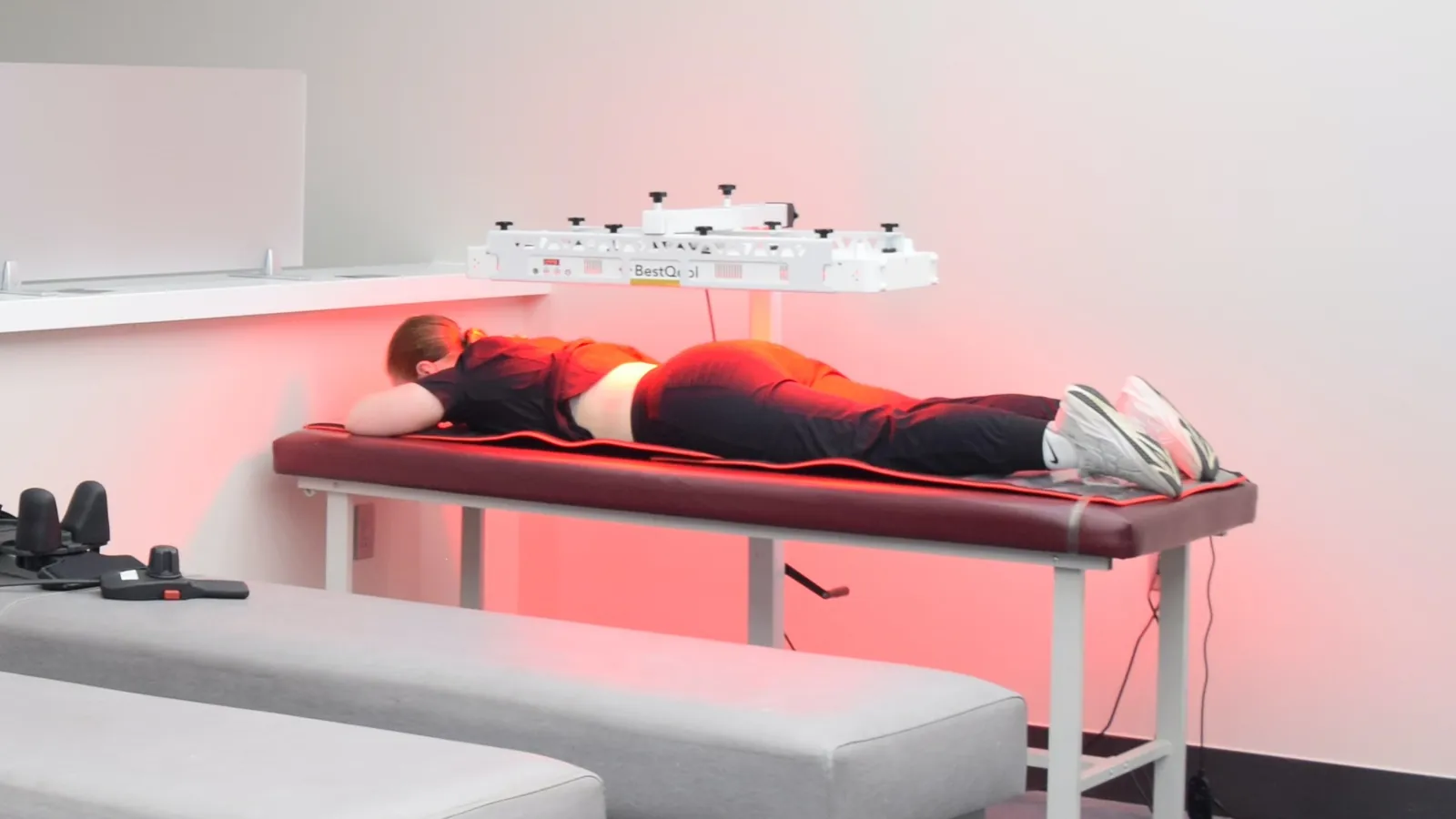
Light-based and energy-based therapy
At Regenerve, class 4 photobiomodulation, class 3B cold laser and whole-body infrared are part of a wider plan aimed at the nerve’s environment. We choose them when your symptoms and workup support them. We do not apply them to everyone the same way.
Metabolic and nutritional care
When we find a nutrition or metabolic problem, fixing it is part of the plan, not an afterthought. This is also the area with the most consumer marketing. That is why we work from your workup, not from a supplement label.
Orthobiologic injections
Orthobiologic injections (PRP and BMAC) are offered in selected situations. We do not present them as a treatment for CIPN.
Safety and function
Dulled protective feeling changes your risk in ways that have nothing to do with pain. Daily foot checks, shoes that fit, and care on stairs and behind the wheel are part of the plan from the first visit.
Where Qutenza fits, and where it does not
Qutenza (capsaicin 8% patch) is indicated in adults for neuropathic pain associated with postherpetic neuralgia and for neuropathic pain associated with diabetic peripheral neuropathy of the feet.2 Chemotherapy-induced neuropathy is not on that list.
Where it is used, it is applied in clinic by a clinician, never dispensed for home use, and repeated no more often than every three months. You can read more on our page about the Qutenza capsaicin 8% patch.
When should you see a doctor for chemo neuropathy?
- Numbness that gets worse fast, or new weakness
- New falls or a sudden change in balance
- A foot wound, skin breakdown, or an injury you did not feel happen
- Pain bad enough to stop sleep or basic daily tasks
Regenerve in the St. Louis region
Regenerve treats peripheral neuropathy for patients across the St. Louis region, Missouri and Illinois, including Edwardsville, Glen Carbon, Collinsville, Troy and Maryville. The clinic is at 4477 Woodson Rd #104, St. Louis, MO 63134, minutes from St. Louis Lambert International Airport. Call (314) 886-5739 or text (314) 886-5902, or email info@regenerve.com.
Your next step
Maybe chemotherapy is behind your symptoms, but you suspect something else is adding to it. The free five-question Nerve Damage Score shows which group of causes most likely applies to you. Your answers guide what we check first.
Frequently asked questions
How common is chemotherapy-induced peripheral neuropathy?
About 30 to 40% of patients treated with nerve-toxic chemotherapy will develop CIPN. How bad it gets varies a lot from patient to patient.1 Our workup for nerve symptoms, including on-site electrodiagnostic testing, is on the neuropathy services page.
Why does my burning feel worse than my test results look?
CIPN mostly affects feeling and often comes with pain.1 Routine nerve conduction testing does not pick up damage well in the small nerve fibers that carry burning and temperature. See small fiber neuropathy symptoms and testing.
Can a vitamin deficiency make chemotherapy nerve symptoms worse?
A nutrient shortage can sit underneath a chemotherapy injury and add to it. That is why the workup looks past the obvious trigger. See functional B12 deficiency and neuropathy.
Does Qutenza [Capsaicin 8% Patch] treat CIPN?
Qutenza [Capsaicin 8% Patch] is indicated in adults for neuropathic pain associated with postherpetic neuralgia and for neuropathic pain associated with diabetic peripheral neuropathy of the feet.2 Chemotherapy-induced neuropathy is not one of them. One of the two approved indications is covered in our article on postherpetic neuralgia and shingles nerve pain.
What are the symptoms of chemotherapy-induced neuropathy?
CIPN is usually sensory-predominant, often with pain.1 Burning, numbness and electric feelings are more typical than weakness. They tend to show up far from the center of the body: the feet and hands first, feeling before strength.1 Dulled protective feeling can also affect balance and your ability to notice a foot injury. That is why falls and unfelt wounds matter as much as the pain.
Does neuropathy from chemo ever go away?
It varies. How bad it gets differs a lot from one patient to the next, and CIPN can lead to long-term problems.1 How much room there is to recover depends partly on the terrain the injury landed on. That means blood sugar, nutrition, blood flow to the nerve, and any neuropathy that was already there. We do not promise regeneration or cure. The goals are fewer misfires, better function and safer walking.
What is the best medication for chemo-induced neuropathy?
No single pill is the whole plan. Medicine that turns down the pain signal has a role for sleep, safety and staying active. But we treat it as volume control, not repair. A lower pain score is not proof the nerve has healed. The Qutenza capsaicin 8% patch is labeled for postherpetic neuralgia and diabetic neuropathy of the feet.2
Who is more likely to have severe chemo neuropathy?
The chemotherapy is the trigger. But the terrain it lands on changes how much injury a given dose causes. Several things can mean the same dose hits a weaker nerve. These include undiagnosed insulin resistance or diabetes, and B12 deficiency or functional B12 deficiency. They also include less blood flow in the small vessels that feed nerve tissue, and an earlier neuropathy from a cause nobody found.
Sources
- Staff NP, Grisold A, Grisold W, Windebank AJ, “Chemotherapy-induced peripheral neuropathy: A current review,” Annals of Neurology, 2017;81(6):772-781, https://pmc.ncbi.nlm.nih.gov/articles/PMC5656281/
- U.S. Food and Drug Administration, “QUTENZA (capsaicin) 8% topical system — prescribing information,” label effective July 7, 2026, via DailyMed, https://dailymed.nlm.nih.gov/dailymed/drugInfo.cfm?setid=3ffbbcb0-ad93-4f15-bb38-5da76a71c735
- Rahman N, Sukumar J, Lustberg MB, “Chronic chemotherapy-induced peripheral neuropathy: living with neuropathy during and after cancer treatments,” Annals of Palliative Medicine, 2025, https://apm.amegroups.org/article/view/136218/html
- Batash R, Asna N, Ali SH, Charkovsky T, Asali M, Pelles S, Schaffer M, “Management of Chemotherapy-Induced Peripheral Neuropathy (CIPN) in Oncologic Patients — A New Promise? Preliminary Results,” 2025, https://pmc.ncbi.nlm.nih.gov/articles/PMC12562927/