
Burning feet at night are usually a nerve signal, not a foot problem. Burning feet syndrome means feelings of heat or burning that often get worse at night. Peripheral neuropathy, which is damage to the sensory nerves in the arms and legs, is one of its main causes [1]. The useful next step is not a different cream. It is finding which cause is injuring the nerve.
That matters because the list of causes is long, and they do not respond to the same treatment. Cleveland Clinic lists diabetes, alcohol use disorder and hypothyroidism among the causes of the nerve damage behind burning feet [1].
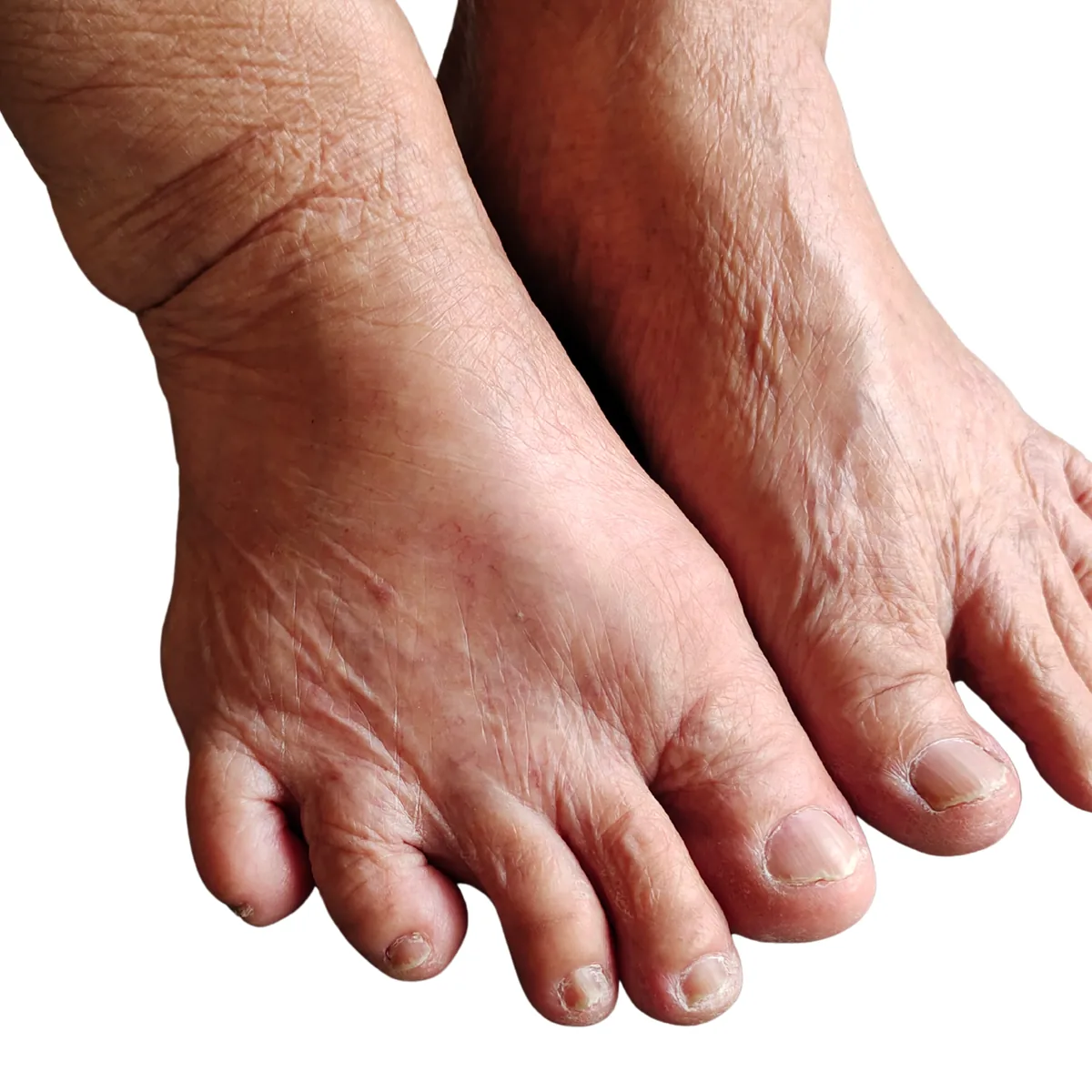
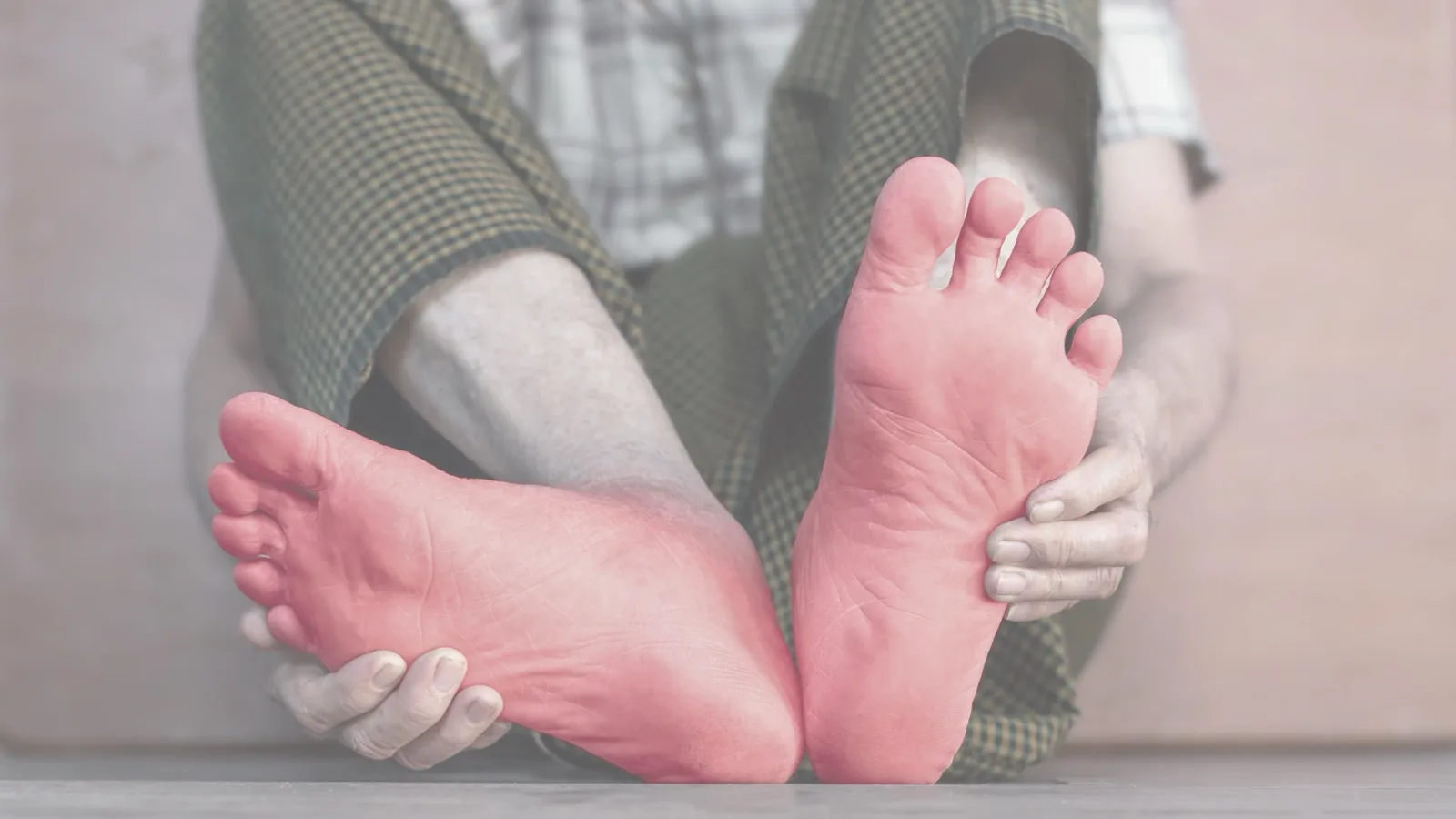
Why do feet burn worse at night?
Burning that gets worse after you lie down is one of the hallmarks of the syndrome [1]. During the day, movement, standing and distraction compete with the signal. At night none of that is going on, so the signal has the stage to itself.
This is also why dulling or numbing the feeling alone tends to let people down. Turning the volume down does not change what is making the sound.
What causes burning feet at night?
Neuropathy is a category, not a diagnosis. Your job is to describe the pattern well. The workup’s job is to find which cause fits it.
Metabolic drivers
Both type 1 and type 2 diabetes can affect the nerves in the arms and legs [1]. Diabetic peripheral neuropathy is one of the most common reasons for burning at night. Sugar is rarely the whole story on its own. The metabolic and small-vessel picture around it usually matters just as much.
For the chemistry that connects glucose stress to nerve injury, see glycation and how sugar damages nerves.
Nutritional drivers
Vitamin B levels are part of the standard lab workup for burning feet [1]. When nutrient levels are off, the raw materials for nerve upkeep are not arriving. No amount of symptom control changes that.
Toxic and medication-related drivers
Alcohol use disorder is on the list of conditions that damage the nerves [1]. Chemotherapy drugs and heavy metal exposure belong on the same list. What you have been exposed to is a clue. And no obvious exposure does not mean no cause.
Skin and local drivers that mimic nerve pain
Athlete’s foot causes itching, burning and stinging between the toes and on the soles [1]. That is easy to mistake for neuropathy. Checking the skin costs nothing, and now and then it solves the case on the first visit.
How is the cause of burning feet diagnosed?
The point of testing is not to pile up results. It is to narrow down the cause. Our approach to the causes that most often go unfound is in the hidden drivers of peripheral neuropathy.
Laboratory work
The workup Cleveland Clinic describes includes blood sugar testing and a complete blood count. It also includes blood and urine electrolytes, such as magnesium, sodium, potassium and vitamin B levels [1]. These answer one question. Does the nerve’s environment have what it needs, and is anything injuring it?
Electrodiagnostic testing
Electromyography helps find the cause of the pain. Nerve conduction velocity testing measures how fast electrical signals travel along the nerve [1]. We do electrodiagnostic testing (EMG and nerve conduction studies) on site. So we read the results alongside your history, instead of getting a separate report weeks later.
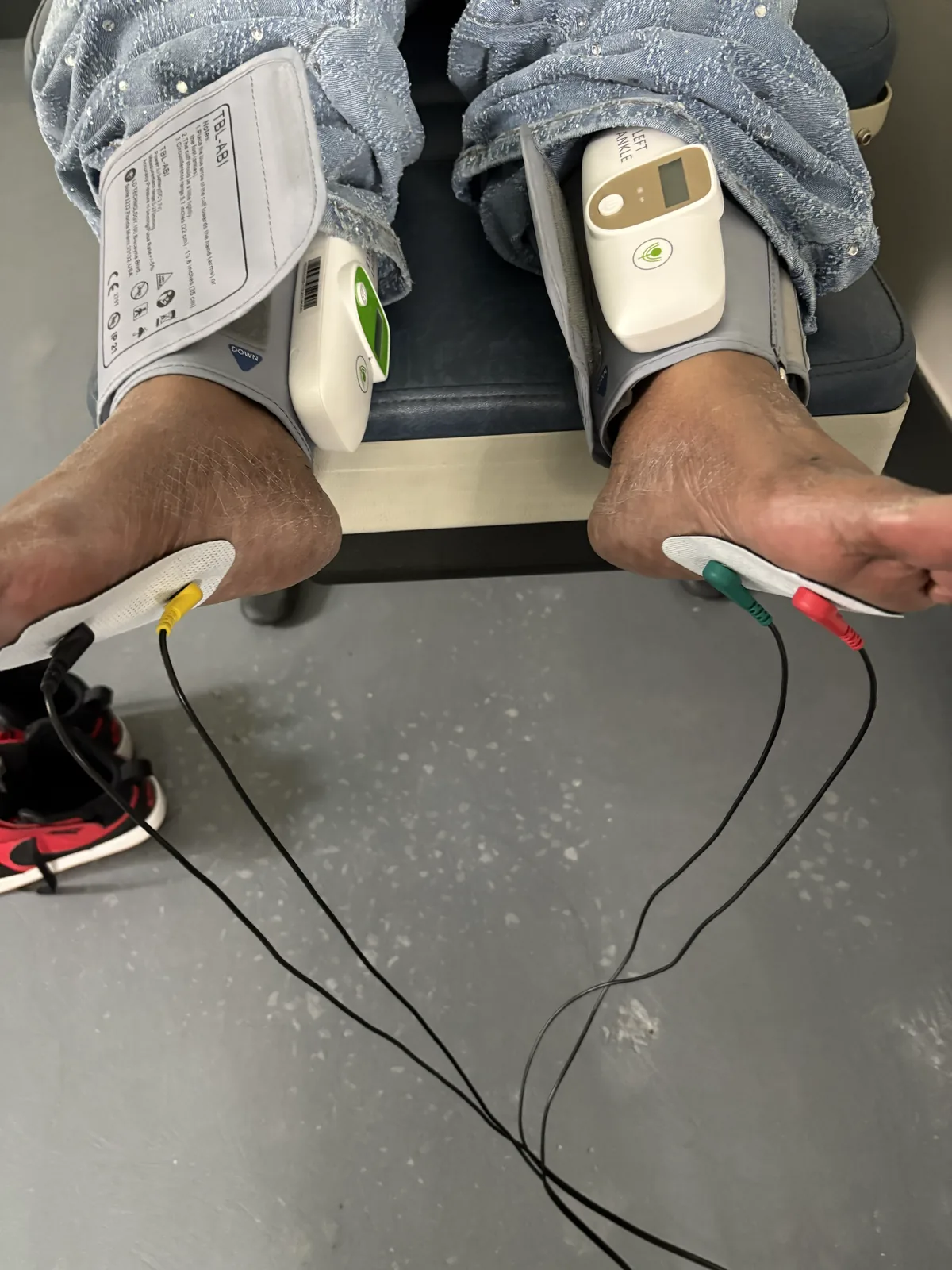
Can you have neuropathy with a normal nerve conduction study?
A normal nerve conduction study does not rule out neuropathy. Nerve conduction testing checks large fibers. Burning and temperature feeling travel on small fibers. Skin biopsy is the reference method for small fiber neuropathy. Loss of intraepidermal nerve fibers (the tiny nerve endings in the skin) is called the primary morphological indicator. It is the only objective test that confirms a suspicion of small fiber neuropathy [2].
How are burning feet at night treated?
Once the cause is found, the plan follows it. Metabolic and nutrition care treats the terrain. When in-clinic therapy fits, our confirmed options include class 4 photobiomodulation, class 3B cold laser and whole-body infrared. We use them inside a plan matched to your cause, not as a standalone answer.
Qutenza (capsaicin 8% patch)
Qutenza is FDA-approved in adults only for neuropathic pain from postherpetic neuralgia and from diabetic peripheral neuropathy of the feet. It is applied in the clinic by a clinician, is never dispensed for home use, and is repeated no more often than every three months.
Orthobiologic injections
We offer orthobiologic injections (PRP and BMAC), and we do not promise nerve regeneration or reversal of established nerve damage.
What to bring to the visit
Bring the timeline. When did the burning start? Did it begin in the toes? What makes it worse? Your history with diabetes, alcohol, medicines and nutrition also shapes which tests are worth running.
Bring your past results too, including any nerve study that was called normal. A normal large-fiber study is itself a finding when the symptoms point to small fibers.
Frequently asked questions
Why do my feet burn more at night than during the day?
Burning feet syndrome means feelings of heat or burning that often get worse at night [1]. Lying down removes the distractions and the posture changes of the day. Then the nerve signal that was there all along becomes the loudest thing in the room. What the pattern of burning and numbness tells us is covered in peripheral neuropathy of the feet, symptoms and patterns.
My nerve conduction study was normal but my feet still burn. What now?
Nerve conduction studies test large nerve fibers. Burning, heat and temperature feeling travel on small fibers. Small fibers can be injured while a conduction study still looks close to normal. Skin biopsy is the reference method for small fiber neuropathy. Loss of intraepidermal nerve fibers is the objective finding that confirms the suspicion [2]. See small fiber neuropathy symptoms and testing.
Could this be a skin problem rather than a nerve problem?
It can be, and it is worth ruling out early. Athlete’s foot causes itching, burning and stinging between the toes and on the soles [1]. Inflamed skin adds signals that can be mistaken for nerve pain. Treating the feeling without checking the skin is how that gets missed. See peripheral neuropathy treatments for the feet.
Which lab tests are worth running?
The workup Cleveland Clinic describes includes blood sugar, a complete blood count, and blood and urine electrolytes including vitamin B levels. Hypothyroidism is also on the list of causes [1]. Nutrition results most of all deserve a careful read, not a quick normal-or-not glance. See functional B12 deficiency and neuropathy.
What is the most common cause of burning feet?
Peripheral neuropathy, meaning damage to the sensory nerves in the feet, is one of the main causes [1]. Diabetic peripheral neuropathy is one of the most common reasons feet burn at night. Alcohol use disorder, hypothyroidism, low nutrients, chemotherapy, and heavy metal exposure are on the list too. Athlete’s foot can also burn, so we check the skin early.
Can hot feet at night indicate a health problem?
Yes. Burning or hot feet at night are usually a nerve signal, not a foot problem. The nerve damage behind them has causes that need care in their own right, such as diabetes, alcohol use disorder, or an underactive thyroid [1]. Treating the feeling alone leaves that cause in place. That is why the workup looks for what is injuring the nerve.
Which vitamin deficiency can cause burning feet?
The B vitamins are the group to look at. Vitamin B levels are part of the standard lab workup for burning feet [1]. When nutrient levels are off, the raw materials nerves need for upkeep are not arriving. No amount of symptom control fixes that. A result read as normal still deserves a careful look alongside your diet, alcohol, and medicine history.
How do I stop my feet from burning at night?
Numbing the feeling alone tends to let people down. Turning the volume down does not change what is making the signal. The lasting step is finding the cause, whether metabolic, nutritional, toxic, or a skin problem, and matching care to it. In the clinic that can include class 4 photobiomodulation, class 3B cold laser, whole-body infrared, or, for diabetic neuropathy of the feet, the Qutenza patch.
Start with the Nerve Damage Score
The Nerve Damage Score is a free five-question check. It helps find which cause is most likely behind your symptoms. That way your workup starts with a direction instead of a guess.
Regenerve, 4477 Woodson Rd #104, St. Louis, MO 63134. Serving the St. Louis region, Missouri and Illinois, minutes from St. Louis Lambert International Airport.
Sources
- Cleveland Clinic. “Burning Feet (Grierson-Gopalan) Syndrome.” Last reviewed 17 July 2023. https://my.clevelandclinic.org/health/symptoms/17773-burning-feet-syndrome — cited for sensations of heat or burning that often worsen at night; peripheral neuropathy as one of the main causes and its definition as damage to the peripheral sensory nerves; type 1 and type 2 diabetes, alcohol use disorder and hypothyroidism among the causes; athlete’s foot causing itching, burning and stinging between the toes and on the soles; and the workup including blood glucose testing, complete blood count, serum and urine electrolytes (magnesium, sodium, potassium, vitamin B levels), electromyography and nerve conduction velocity testing.
- Samolis A, Troupis T, Politis C, et al. “Intraepidermal Nerve Fiber Density as an Indicator of Neuropathy Predisposition: A Systematic Review with Meta-Analysis.” Diagnostics, 2025;15(11):1311. DOI: 10.3390/diagnostics15111311. https://pmc.ncbi.nlm.nih.gov/articles/PMC12154223/ — cited for skin biopsy as the reference method for diagnosing small fiber neuropathy and for loss of intraepidermal nerve fibers being the primary morphological indicator and the only objective assessment that confirms a suspicion of small fiber neuropathy.