
If burning, numbness or nerve pain has not improved after several rounds of treatment, you need the right specialist. That is one who will find which nerves are affected and what is damaging them, before prescribing anything else. “Neuropathy” names a pattern of symptoms. It is a category, not a diagnosis. Treatment that skips the cause tends to stall.
That matters because the causes vary so much. Diabetes is the most common. Between 50% and 66% of people with diabetes develop diabetic peripheral neuropathy at some point.1 But a large share of neuropathy is not diabetic at all, and some of it can be reversed once the cause is found.
Why is “neuropathy” not a diagnosis?
Being told you have neuropathy tells you your nerves are not working right. It does not tell you which fibers are involved, how far the damage reaches, or why it started.
Those three answers change the treatment. Small-fiber damage behaves differently from large-fiber damage. A pinched nerve in one spot is not the same as an even process that starts in the longest nerves. And a nutrition or autoimmune cause calls for something totally different from a metabolic one.
Want to learn more about nerve pain and the treatments we use? Get our neuropathy video series by email.
What should a neuropathy evaluation include?
Testing that measures nerve function
Electrodiagnostic testing (EMG and nerve conduction studies) measures how well nerves actually carry signals. It does not guess from symptoms. Regenerve does this testing on site, so the workup and the results happen in the same place.
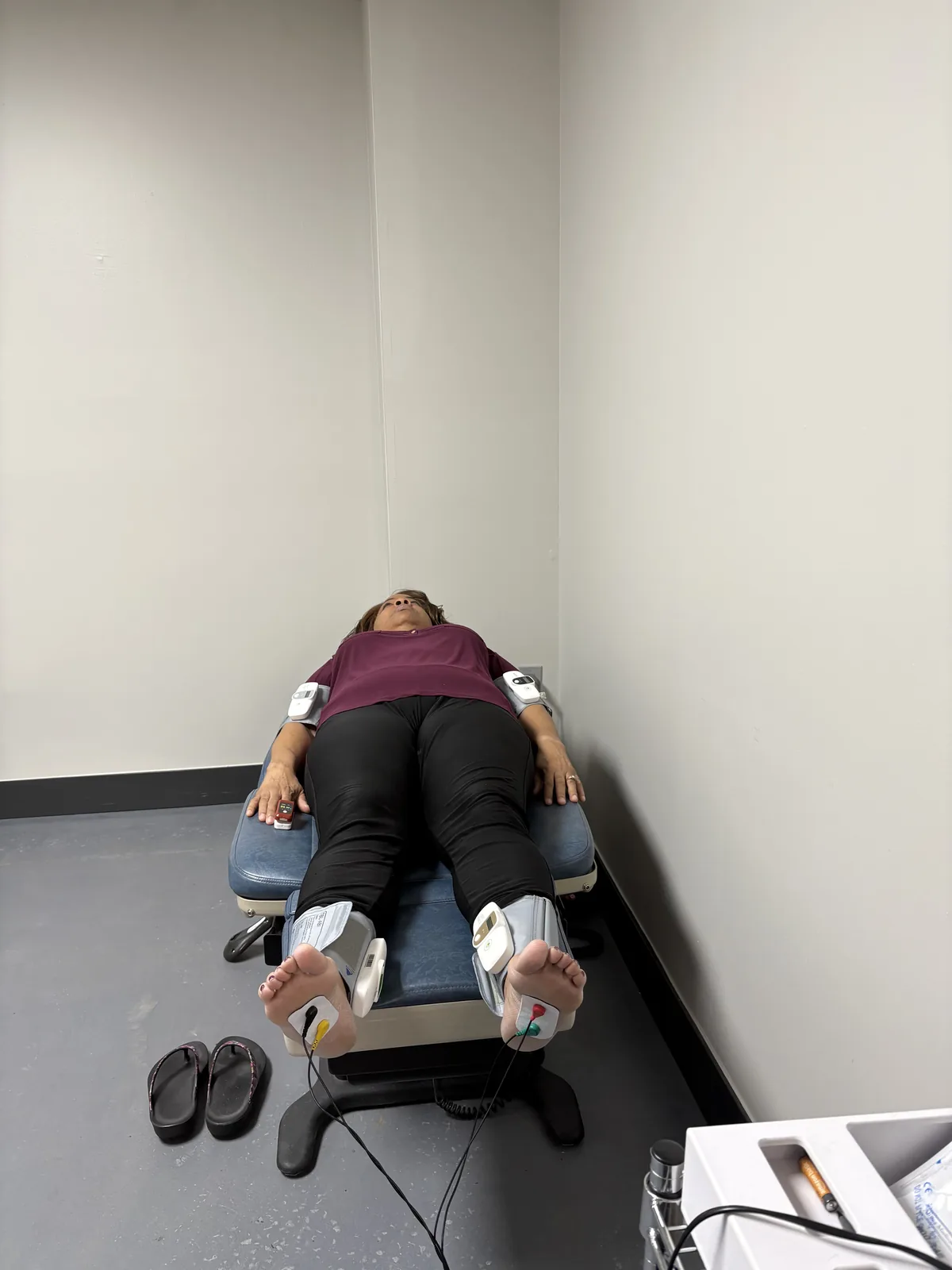
A search for the driver, not just the label
This is where most stalled cases are decided. The causes worth ruling in or out include:
- Glycation and blood sugar, including levels below the diabetes threshold
- Functional B12 deficiency, which can be present despite a “normal” B12 level
- Gluten-related nerve injury, including cases with a negative celiac test
- Autoimmune disease such as lupus or rheumatoid arthritis
- Medications, including statins and long-term metformin
- Heavy metals, mold and mycotoxins, and alcohol
- Malabsorption after surgery
- Nerve compression, including double-crush patterns
- Postherpetic neuralgia after shingles
A fuller account of how these overlap is in the hidden drivers of peripheral neuropathy.
A treatment plan that follows the finding
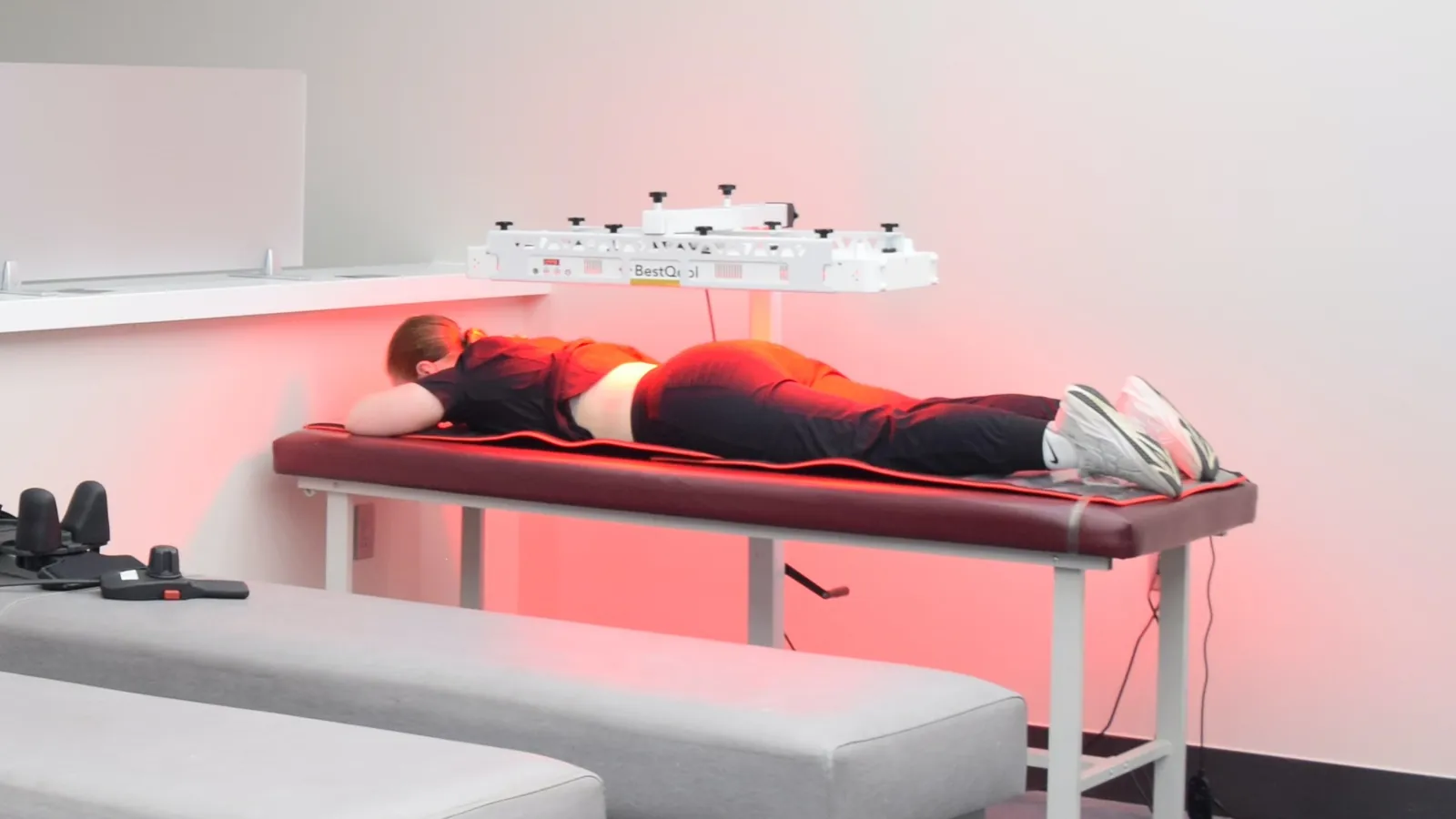
Once the cause is found, treatment can aim at it. The approaches used at Regenerve are on the services page. They include class 4 photobiomodulation, class 3B cold laser, whole-body infrared, and metabolic and nutrition care. They also include fixing whatever the workup finds.
Orthobiologic injections, including PRP and BMAC, are also offered. They are add-ons within a plan, never a stand-in for finding the cause.
What questions should I ask a neuropathy specialist?
- Will you test nerve function, or work from symptoms alone?
- Which specific causes will you rule out, and with which tests?
- If the cause is metabolic or nutritional, who manages that part?
- What outcome should I expect, and over what period?
- What happens if the first approach does not work?
A clinic that answers these clearly is working from a diagnosis. A clinic that jumps straight to a package is not.
Can neuropathy be cured?
Nerve tissue heals slowly, and not all damage can be reversed. Progress is usually measured in less pain, better sleep, steadier balance and better function. It is not usually a return to how things felt years ago.
Anyone promising a cure for neuropathy is telling you something that cannot be backed up. What can often change is the direction things are heading. That is truest when an active cause is found and treated.
Where can I get neuropathy treatment in St. Louis?
Regenerve is at 4477 Woodson Rd #104, St. Louis, MO 63134, minutes from St. Louis Lambert International Airport, and is led by Dr. Gurpreet Singh Padda, MD, MBA, MHP. The practice serves the St. Louis region, Missouri and Illinois.
Call (314) 886-5739 or text (314) 886-5902, or email info@regenerve.com. Office hours are Monday through Thursday 9 a.m. to 4 p.m. and Friday 9 a.m. to 1:30 p.m.. Details are on the contact page and the locations page.
The clearest place to start is the Nerve Damage Score. It is a five-question check that gives you a large-print report you can bring to any physician. Background on the model behind it is on the science page. More is on the practice’s YouTube channel, @Regenerve.
Frequently asked questions
Which specialist should I see for neuropathy that has not improved?
One who does nerve testing on site and looks for the cause instead of treating the label. What that involves is on the science page.
Can neuropathy be reversed?
Some causes can be fixed, and some damage cannot. Nutrition and metabolic causes often respond when found early, as covered in functional B12 deficiency and neuropathy. No one can promise a cure.
My blood sugar is normal. Can it still be metabolic?
Yes. Nerve injury from glycation can start below the diabetes threshold. That is why we test how your body handles sugar instead of assuming from a single result. See how sugar damages nerves.
My celiac test was negative but I suspect gluten. Does that rule it out?
No. Gluten-related nerve injury can happen with a negative celiac panel. That is covered in a negative celiac test does not rule out gluten neuropathy.
Do you perform nerve testing in the office?
Yes, we do electrodiagnostic testing on site. The full list of what we offer is on the services page.
Do you see patients from Illinois?
Yes. The practice serves the St. Louis region, Missouri and Illinois, and Dr. Padda is licensed in both states. See the locations page.
How do you rule out peripheral neuropathy?
By measuring nerve function instead of guessing from symptoms. EMG and nerve conduction studies show how well nerves actually carry signals. Regenerve does this testing on site, so the workup and the results happen in one place. The next step is finding the cause. That could be blood sugar, functional B12 deficiency, gluten, autoimmune disease, medicines or a pinched nerve.
Can high sugar levels cause neuropathy?
Yes. Diabetes is the most common cause. Between 50% and 66% of people with diabetes develop diabetic peripheral neuropathy at some point. Nerve injury from glycation can also start below the diabetes threshold. So we test how your body handles sugar directly, instead of assuming from a single normal result.
What is the most successful treatment for neuropathy?
Treatment aimed at the cause once it is found. At Regenerve that can include class 4 photobiomodulation, class 3B cold laser, whole-body infrared, and metabolic and nutrition care. It also means fixing whatever the workup finds. Progress is usually measured in less pain, better sleep, steadier balance and better function. No one can honestly promise a cure.
Sources
- Bodman MA, Dreyer MA, Varacallo MA. Diabetic Peripheral Neuropathy. StatPearls. NBK442009